Invest1 publisher2 min readPublished
Washington points Americans in Iran toward the Armenian and Turkish land borders
The US has had no embassy in Tehran for 46 years. Its online substitute issued its third alert of 2026 on September 19, telling Americans to leave the country at once. Switzerland handles the consular work.
The Investor · Invest desk
What happened
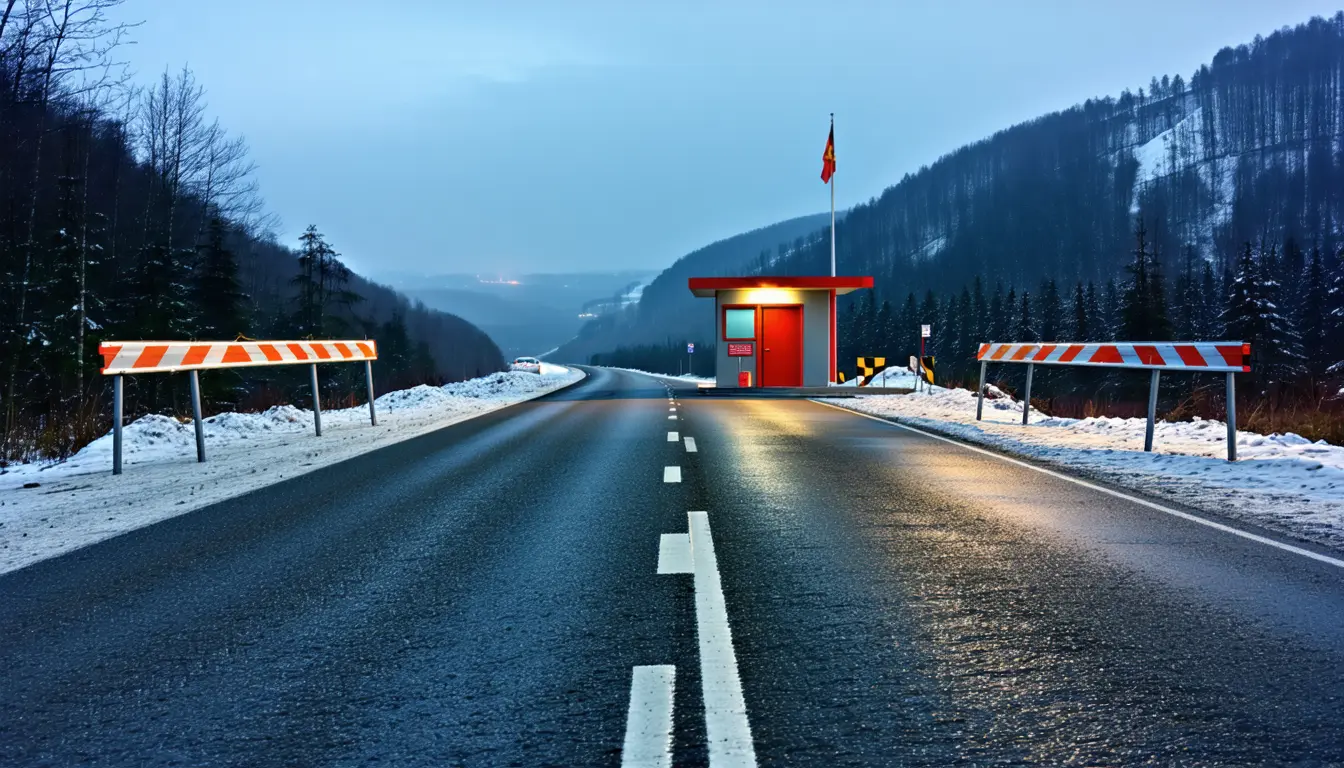
- It recommends that Americans still in the country consider land routes into Armenia or Turkey as their safest exit options.
- The US government also made clear that citizens should not expect assistance with their departure.
- The advisory warns that simply displaying a US passport can increase the risk of detention.
- Iranian regulations require dual citizens to leave on their Iranian passports, adding a bureaucratic step to the exit.
Compiled by The InvestorSomething wrong?How this is made
Why it matters
- cost The full cost of leaving sits with the individual American, since the advisory offers no help and commits no US money or aircraft to moving anyone out.
- constraint A dual national's departure clears through Iranian passport issuance, so the timing of the exit is set by the authorities being left behind.
- exposure The only channel Washington has for reaching these citizens is a website. The same advisory series describes the internet restrictions and blackouts that can keep the message from arriving.
Three alerts. The stated reason changed on the third. The January 13 and February 6 messages both pointed at massive public protests and widespread internet restrictions inside the country, according to cryptobriefing.com's account of the sequence [12]. The September 19 alert pointed at escalating regional security risks, ongoing civil unrest and significant disruptions to normal travel infrastructure [2]. Twenty-four days separated the first two [15]. Then 225 days [14].
Iran already sat at Level 4, Do Not Travel, the most severe designation the State Department issues, and has for years, on persistent risks of terrorism, arbitrary detention and civil instability [5]. A country at the top of the scale cannot be moved higher, so whatever is new sits in the wording, and the wording moved from domestic protest to the region.
The advisory tells Americans to enrol in the Smart Traveler Enrollment Program, which sends security updates to registered travellers [6]. The same advisory series describes the internet restrictions Iranian authorities have imposed [12], and communication blackouts that have made it harder for people there to coordinate travel plans or receive updates from the Virtual Embassy [13]. That Virtual Embassy, operated online, is the primary channel the US government has for reaching Americans in Iran [11].
The cryptobriefing.com account does not reproduce the advisory's text, identify the threat behind the phrase "escalating regional security risks", or say whether the no-assistance language also appeared in January and February [17].
Two readings fit the same document. In the first, the September wording follows conditions that worsened after February, and recommending overland exits into Armenia or Turkey is a judgement that air departure cannot be relied on [4]. In the second, a channel with no physical mission behind it since the 1979-1980 hostage crisis [9] refreshes its standing language on no particular schedule, and the change in cited cause is drafting. I lean to the first, on the change in cause and the 225-day gap rather than on anything the alert itself quantifies. It breaks if the Armenian and Turkish crossings keep working normally into next quarter and no further alert follows.
The document commits nothing. Switzerland's embassy in Tehran acts as protecting power and provides limited emergency services [10]. That is the standing arrangement. The 52 Americans held for 444 days from 1979 are the reason there is no embassy to draw on now [9].
What to watch
- Whether a fourth advisory arrives within weeks instead of months, and whether it names a specific threat.
- Whether the Armenian or Turkish land crossings close or impose new conditions on US passport holders.
- Whether Switzerland's embassy in Tehran moves beyond limited emergency services, or another state takes on protecting-power work.