Invest1 publisher2 min readPublished
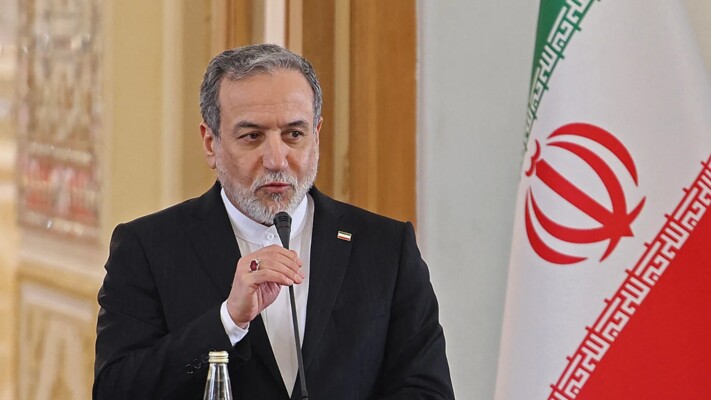
Iran ties any Hormuz reopening to a US return to the Islamabad Memorandum
Abbas Araghchi's condition for reopening the strait points at a document each side accuses the other of breaking. Traders give a US-Iran agreement by September 15 a 2.9 percent chance, about 33 to 1 against.
The Investor · Invest desk
What happened
- Iranian Foreign Minister Abbas Araghchi said reopening the Strait of Hormuz depends on the United States returning to its commitments under the Islamabad Memorandum, according to CryptoBriefing.
- That memorandum was intended to defuse hostilities and to set terms for shipping and for sanctions relief, putting both files inside one document.
- CryptoBriefing flags September 16 as the next major date for participants and anticipates a slight rise in odds through October 1 on expected catalysts.
Compiled by The InvestorSomething wrong?How this is made
Why it matters
- constraint The condition is contested compliance: opening the strait on these terms requires Washington to return to a document it says Iran violated while Iran says the same of Washington.
- decision For anyone hedging a reopening, the YES side costs 2.9 to collect 100, so protection against a September deal is cheap and pays about 33 to 1 if it lands.
- exposure Shippers with cargo committed through Hormuz are now exposed to the pace of a sanctions negotiation, because the memorandum sets shipping terms and sanctions relief together.
- contradiction The same note prices a September 15 agreement near zero yet expects better odds through October 1, so its own calendar treats the deadline as a staging post.
Araghchi is asking Washington to return to its commitments under a memorandum that both governments have repeatedly accused each other of violating, in a period that has included intermittent blockades and strikes [1][3]. Returning to it means first agreeing who broke what. The backdrop is an unstable truce after the 2026 Iran-United States war [9].
CryptoBriefing puts the contract on a US-Iran agreement by the September 15 deadline at 2.9 percent YES, and reads the pricing as consistent with a falling chance of a deal [4]. Buy the YES side at 2.9 to collect 100 and you risk 2.9 to make 97.1, roughly 33 to 1 against [10]. At that price the market is judging that agreement does not arrive inside this window.
The publication attributes Araghchi's statement to a post by @FirstSquawk and does not quote him [8].
The odd part is the calendar. September 16 is the next date the publication flags for participants, and it expects odds to rise slightly through October 1 on the prospect of catalysts in that window [5][6]. October 1 falls 15 days after September 16 [11]. Traders, on that description, are pricing whatever happens after the deadline.
While the condition stands, Tehran is treating transit as part of a larger settlement. The strait now sits inside a document that also sets terms for sanctions relief [2]. That bundling raises what Washington has to pay for open water: the stated condition asks for more than a shipping-only arrangement [1].
On this evidence I would treat Hormuz access as a bargaining position with a disputed compliance test attached, and the 2.9 percent as the market's estimate that the test goes unmet in September [4]. The reading fails if traffic resumes with no American move on the memorandum, which would make the condition a talking point and 2.9 percent too low [1][4].
What to watch
- A joint U.S.-Iran statement or a formal ceasefire extension would be consistent with the YES side resolving, according to CryptoBriefing.
- Reports of collapsed talks or renewed military escalation would cut the quoted odds further, the same note says.