Invest1 publisher2 min readPublished
Hours after a strike on Slavyansk, Trump asks Kyiv to spare Russia's refineries
The request would have Ukraine give up the one pressure point on Moscow it operates without American help. Zelenskyy's answer is a mutual energy ceasefire that would also cover Russian strikes on Ukraine's grid.
The Investor · Invest desk
What happened
- Trump is asking Ukraine to stop hitting Russian oil refineries, casting the drone campaign as a threat to global fuel supplies.
- He made the remarks on September 13, 2026, while attending the Irish Open, and they followed conversations he had held with Vladimir Putin.
- Ukrainian forces have hit more than a dozen Russian refineries this year, reaching plants located hundreds to over 1,500 kilometres from the front lines.
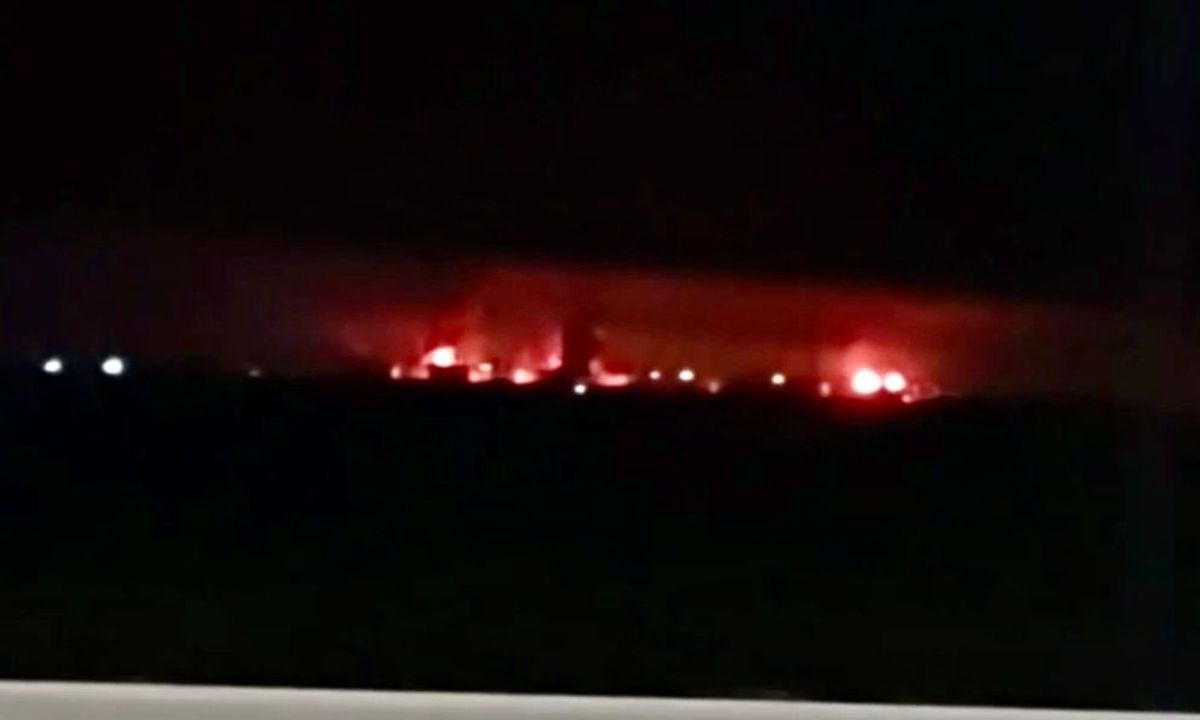
- The Slavyansk ECO refinery was struck on the night of September 12-13, hours before Trump spoke.
- Zelenskyy has floated a mutual energy ceasefire under which both Ukraine and Russia would agree to stop attacking each other's energy infrastructure.
Compiled by The InvestorSomething wrong?How this is made
Why it matters
- constraint Giving up the refinery campaign leaves Kyiv's pressure on Moscow running through the administration that asked for the pause, since CryptoBriefing describes energy strikes as one of the few tools Ukraine controls independently.
- decision Zelenskyy now has to price American goodwill against Russian repair time, because the same publisher expects Kyiv would resume striking if Russia rebuilds refineries while still hitting Ukrainian power stations.
- contradiction One account has the strikes endangering global fuel supply while the other has them causing Russian domestic shortages and Russian export restrictions, and those are not the same barrels.
- precedent Energy-infrastructure pauses keep surfacing in Trump's calls as the cheap confidence-building step. That step sets the shape of what Kyiv gets asked to concede in the next round.
Slavyansk ECO processes roughly 5.2 million metric tons of crude a year [5], about 14,250 tonnes a day [1]. What a strike removes is processing capacity: the crude Russia cannot run at home can still be sold, while diesel and jet output falls. CryptoBriefing reported that the shortage has been deep enough to move Russia from net exporter of certain refined products to importing fuel to cover internal demand [6].
Twelve plants at Slavyansk's throughput would come to 62.4 million tonnes of annual crude runs [2], an upper bound built on the one refinery either account sizes. The accounts stop short of prices: no diesel price, no crack spread, no US pump price [3]. The fuel-supply logic is the publisher's summary of what Trump said, and cryptobriefing.com wrote that he was highlighting concerns about fuel shortages [8]; all three accounts of the request carry that publisher's byline [18].
Trump's own earlier statements had at times signalled openness to Ukraine hitting Russian energy targets [3]. A pause is worth most to the side with capacity down, or more exactly to whichever side has more of it down, and the side importing fuel is Russia [6]. Ukraine has been absorbing systematic Russian strikes on its power grid, heating infrastructure and generation capacity throughout the war [10].
A durable halt on both sides would remove a persistent source of supply-side risk from refined fuel markets, according to the same publisher [13]. I'd take the pairing inside one set of remarks as the most informative part of the record: Trump suggested the war involving Iran could end around the time of the midterm elections [16], and in the same remarks advised Zelensky to cease attacks on Russian diesel fuel [17].
If a pause arrives with reciprocal Russian commitments on Ukraine's grid, or packaged with fresh US restrictions on Russian crude exports, then this is ordinary ceasefire sequencing and the fuel-price reading of it is wrong. There is already a template for that shape: large-scale fighting fell after a U.S.-Iran memorandum, and hostilities have persisted since [19].
What to watch
- Formal confirmation of a Trump-Putin meeting. Market pricing already treats that as likelier without any plan announced.
- Any loosening of Russia's refined-product export restrictions, the readable sign that refinery runs are recovering.
- Whether the next strike on a Russian refinery draws a public response from Washington.