Science1 publisher3 min readPublished
The people paid to love Antarctica are quitting, and 450,000 visitors are the reason
A study in Annals of Tourism Research interviewed 25 former Antarctic expedition guides. Their exit is a staffing and credibility problem, not only a carbon one.
The Scientist · Science desk
Drafted by a language model from the sources cited here and checked against its claim ledger before publication. How we use AISend a correction
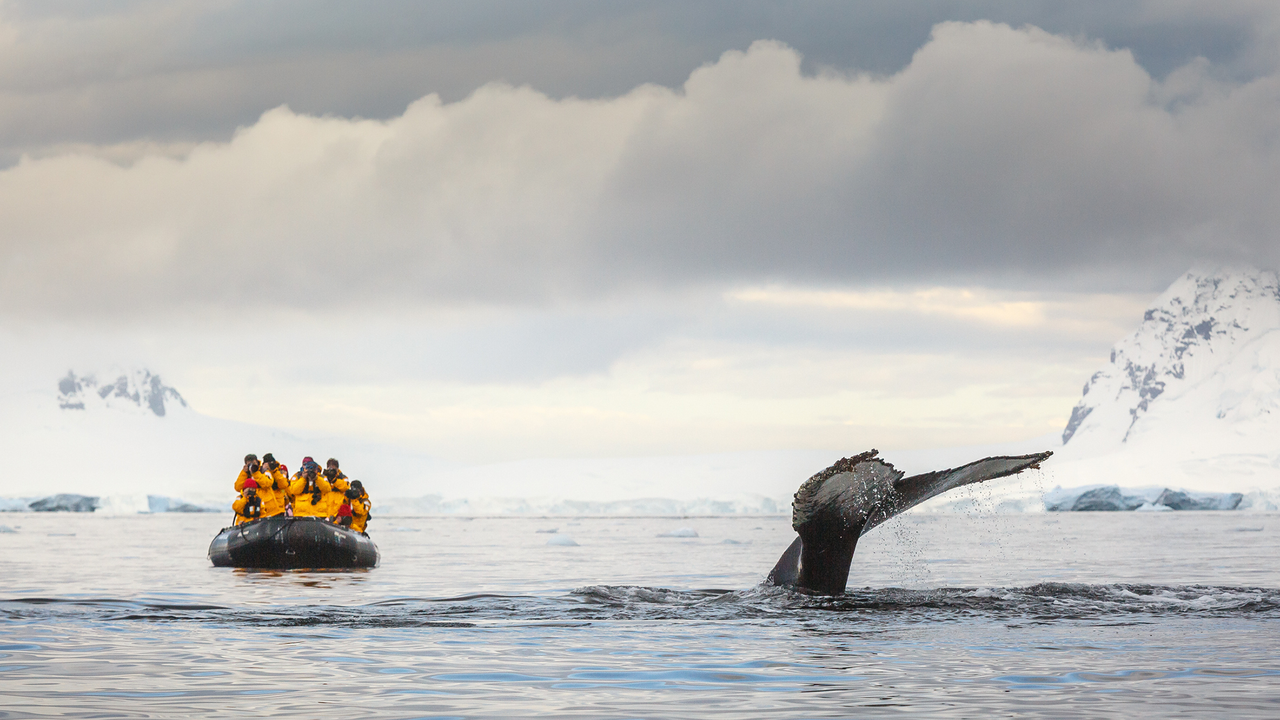
What happened
- A study published online July 8 in the journal Annals of Tourism Research reveals the impacts of Antarctic tourism from the perspectives of 25 former guides who took visitors on cruise ships to some of the most remote locations on Earth.
- What the guides witnessed eventually made them quit, according to the study and an accompanying article in The Conversation.
- More than 100,000 people journey to Antarctica every year.
- Within the next few years, the number of tourists flocking to Antarctica each summer could reach 450,000.
- Liz Cooper: around 120,000 people per year go to Antarctica, as of 2025/2026.
Compiled by The ScientistSomething wrong?How this is made
Why it matters
A study published online on July 8 in Annals of Tourism Research sets out the impacts of Antarctic tourism through the accounts of 25 former guides who had taken cruise passengers to some of the most remote sites on Earth [1]. According to the study and an accompanying article in The Conversation, what those guides saw is what made them leave [2], which turns a story usually told in tonnes of CO2 into a story about who is left to run the trips.
The scale numbers are the pressure. The Live Science account puts current traffic at more than 100,000 people a year [3] and says the summer figure could reach 450,000 within the next few years [4]. Liz Cooper, one of the study's authors, gives a current figure of around 120,000 a year as of the 2025/2026 season [5]. Taken together that is roughly a 3.75-fold increase [6]. The projection arrives without a named forecaster or a stated baseline year [21], and the same account carries two different present-day totals [22], so treat the 450,000 as a direction of travel rather than a schedule.
Why it lands harder here than at a national park: the account notes Antarctic visitor numbers are far below those at the Great Barrier Reef or Grand Canyon National Park, but that the trip carries a colossal carbon footprint to a particularly vulnerable place [7]. Cooper describes Antarctica as the most remote place on Earth reachable as a tourist and the most carbon-intensive form of tourism available [8], with emissions from long-haul flights and cruise ships layered on top of a fragile ecosystem and its wildlife populations [9].
The operational mechanism in the interviews is labour. Zdenka Sokolickova, a social anthropologist at the University of Groningen who works with Cooper on the GUIDE-BEST project [18], says the industry is growing rapidly, and that more vessels, more operators and more guided-tour demand mean a bigger need for guides [10]. Her stated consequence is that more people are accepted, that the industry might need to lower its qualification standards, and that safety risks follow from staff with less experience [11]. The standards under discussion are the industry's own to lower [11], which is what makes this a legitimacy question rather than a compliance one.
The recruitment detail is the strongest signal in the piece. The researchers advertised in closed Facebook groups and had 30 sign-ups within six days, which they read as a need inside the guiding community to voice concerns [13]. Interviews were split between the two authors, covering 14 men and 11 women [14], consistent with the sample of 25 [15]; five volunteers do not appear in the final count [16]. Cooper notes that tourism research usually captures people still tied to the industry rather than those who have removed themselves [17]. Live Science's headline quotes a former guide saying visitors "don't deserve this beauty and this breathtaking fragility" [20], and the authors describe the emotional cost of leaving a dream job [19].
Caveats matter: this is a self-selected group of leavers, and the account gives no figure for how many guides quit per season [24]. Watch whether the project's parallel interviews with current guides [23] show the same tension, whether the 2025/2026 count firms up near 120,000 [5], and whether operators publish guide qualification requirements as fleets expand [11].