Product2 publishersIndependently confirmed2 min readPublished
Teenage Engineering's CEO plans to stop making synths, OP-1 included
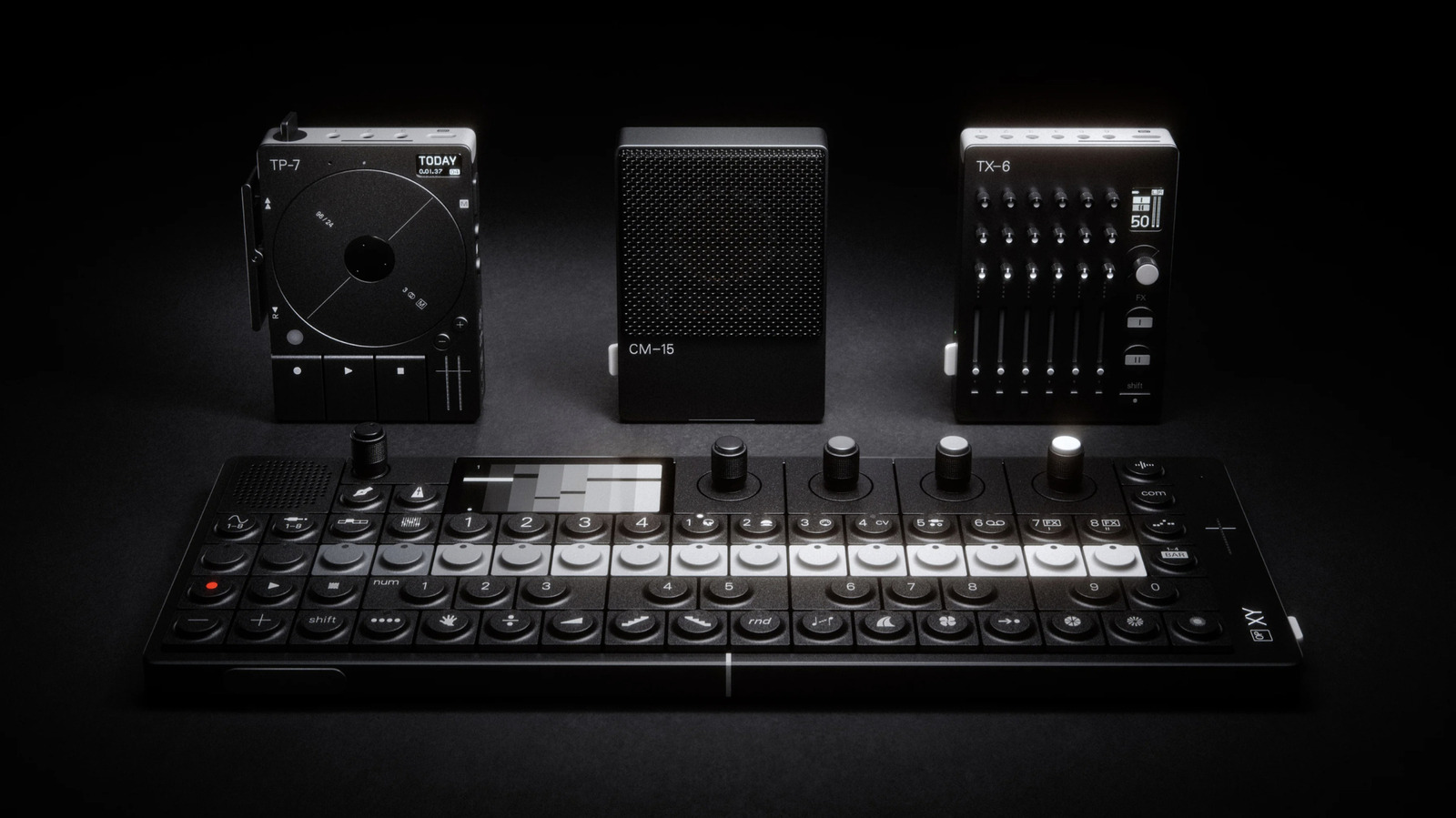
Teenage Engineering CEO Jesper Kouthoofd told Highsnobiety the company plans to stop making synthesizers, the OP-1 included. With no date or stated next business, its owners and design clients are left planning around one interview.
The Product Desk
What happened
- Kouthoofd told his staff about the plan during a reorganization last fall, according to the Highsnobiety interview.
- The OP-1 launched in 2011, put the company on the map and has been central to its success ever since, Highsnobiety wrote.
- The company also designs for others, including the Playdate console and the Rabbit R1, plus work with Nothing and collaborations with IKEA.
Compiled by The Product DeskSomething wrong?How this is made
Why it matters
- contradiction Engadget reads the plan as the company possibly ending product manufacturing altogether, while Kouthoofd's quoted words cover synthesizers; for owners of its other audio gear, which reading holds decides whether this reaches them.
- constraint Until the company responds, owners who rely on it for repairs or software updates have no commitment to plan against; it did not immediately answer The Verge.
- exposure Firms that hire the studio would be sharing its designers with Kouthoofd's own long-range projects, so their exposure is to delivery schedules.
The reaction Engadget picked out came from people who use the gear. Redditors who use Teenage Engineering products regularly were "a bit alarmed," Engadget reported, particularly since the company was "extremely vague about the timeline" [10].
Kouthoofd frames the decision as a question of what the company is. "Everyone was like, 'What are you talking about?' But I've come to the conclusion that, for us, the products aren't the business," he told Highsnobiety. "We can be so much more than that." [4] For someone with an OP-1 on the desk, the product is the whole relationship with the company. The Verge called the supposed decision to abandon that market "all the more confusing," given that almost everything the company makes itself is music or audio gear [6][5].
His account of what replaces the synthesizers is thin. Engadget wrote that the company could focus on design next, though Kouthoofd "wasn't clear" about that [13]. He described one project "that may change our online lives" and said some of the upcoming projects won't be released for five to 10 years [9]. Neither report includes a date for the last synthesizer, or anything on repairs and software updates for units already sold [10].
For companies that hire Teenage Engineering as a designer, the interview concerns the firm's own synthesizers [1]. The Verge describes it as a sought-after design firm as well as a gear maker [8]. If design does become the main business, I'd expect client work to gain from it.
Two facts about an owner's own setup decide how much this matters. One is whether they would ever need to buy the device again, as a replacement or as matching units for a team. The other is whether they depend on the company after purchase, for repairs or software. An owner who needs neither already has what they paid for. One who would rebuy but needs no support has a timing problem. The hedge is a spare OP-1 bought while it is still sold, at the cost of paying for a unit that may never leave its box [1]. One who needs support but would not rebuy can wait for the company to say what it will maintain. A studio that needs both is the case where I would hold new purchases until Teenage Engineering publishes dates, and accept that the gear may be harder to find by then.
What to watch
- A dated statement from Teenage Engineering on when synth production ends and whether repairs and firmware continue for units already sold.
- Whether Kouthoofd names client design work as the main business; Engadget said he was unclear on that.
- Product listings for the OP-XY, EP-133 and TP-7, as the first sign of whether the plan reaches past synthesizers.
Clarity's read
What the record supports and how the coverage leans. The claims behind it follow.
Reality
- Evidence35
- Adoption
- Insufficient
- Hype gap+20
- Incentives
- Insufficient
- Confidence40
Claim ledger
Ranked by verification strength, evidence, and original report placement.
- [1]
Teenage Engineering founder and CEO Jesper Kouthoofd told Highsnobiety the company plans to stop making synths, including the OP-1.
ReportedSupportedSource: The Verge, citing Highsnobiety interview2 sources— create a free account to open themView cited source - [2]
The OP-1 launched in 2011, put Teenage Engineering on the map and has been central to its success ever since.
ReportedSupportedSource: Highsnobiety, quoted by Engadget2 sources— create a free account to open themView cited source - [3]
As part of a reorganization last fall, Kouthoofd announced to his team he is planning to stop making synthesizers altogether.
ReportedSupportedSource: Highsnobiety, quoted by Engadget2 sources— create a free account to open themView cited source - [4]
"Everyone was like, 'What are you talking about?' But I've come to the conclusion that, for us, the products aren't the business," ... "We can be so much more than that."
ReportedSupportedSource: Jesper Kouthoofd to Highsnobiety, quoted by Engadget2 sources— create a free account to open themView cited source - [5]
Almost everything Teenage Engineering makes itself, including the OP-1, OP-XY, EP-133 and TP-7, is music or audio-focused.
- [6]
"Which makes the supposed decision to abandon the market all the more confusing."
- [7]
Teenage Engineering was behind the Playdate console and Rabbit R1, has worked with Nothing, and has done IKEA collaborations and one-offs such as the Mayku Multiplier and Impossible Camera.
- [8]
Teenage Engineering isn't just a music gear maker; it's also a sought-after design firm.
- [9]
Talking about one important project "that may change our online lives", Kouthoofd told Highsnobiety that "some of [these upcoming projects] won't be released for five to 10 years."
- [10]
Redditors who use Teenage Engineering products regularly were a bit alarmed at the news, particularly since the company was extremely vague about the timeline.
- [11]
Teenage Engineering did not immediately return a request for comment from The Verge.
- [12]
Since most of Teenage Engineering's products are music or audio devices, the company may cease to be a product manufacturing firm.
- [13]
Teenage Engineering will possibly focus on design, though Kouthoofd wasn't clear about that in his comments.
Sources
2 independent publishers whose own reporting we read for this story.
- engadget.comTeenage Engineering will stop making synths to focus on... whatever it feels like
1 article · October 8, 2026
- theverge.comTeenage Engineering’s CEO says it’ll stop making synths
1 article · October 7, 2026
Topics and entities
Follow any of these and your For You feed starts watching them — no settings page required.