Invest1 publisher2 min readPublished
SEC and five US partners warn of investment scams that borrow a friend's or a regulator's trust
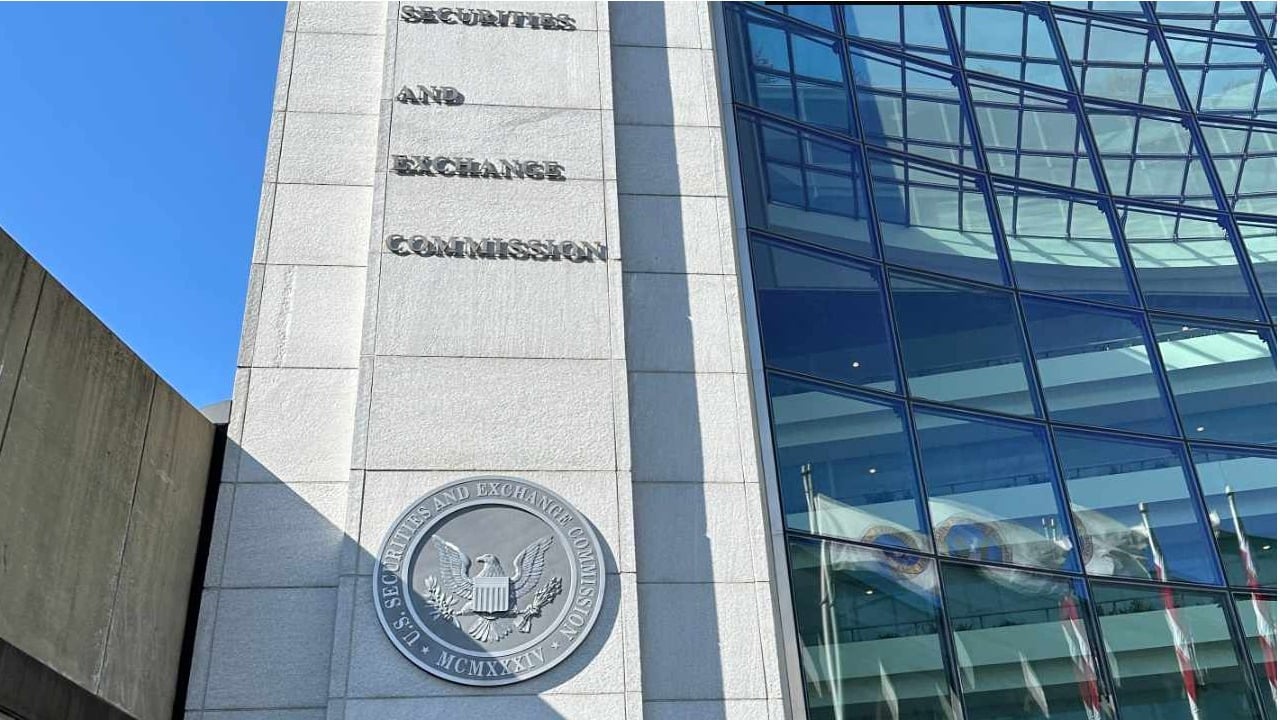
SEC and five US partner organizations warned on Oct. 5 about scammers posing as friends, advisers or regulators, with AI making the fakes harder to spot. The agency's newest such case involves more than $15.3 million, set against losses put in the billions a year.
The Investor · Invest desk
Drafted by a language model from the sources cited here and checked against its claim ledger before publication. How we use AISend a correction
What happened
- According to the SEC, Cryptoaiml and TSAI, the operations it charged on Sept. 29, both drew in deposits through online relationships and false regulatory claims.
- The warning is part of World Investor Week, a six-continent campaign promoted by the International Organization of Securities Commissions and now in its 10th year.
- The SEC's US partners are the CFTC, FINRA, SIPC, the National Futures Association and the North American Securities Administrators Association.
- The agencies are holding a free joint webinar on Oct. 6 on relationship scams, regulator impersonation and financial influencers, with registration required.
Compiled by The InvestorSomething wrong?How this is made
Why it matters
- constraint A client's first successful withdrawal says nothing about whether a platform is real, because these schemes let small sums out before blocking access to the rest.
- exposure Real investment advisers and firms are among the identities scammers copy, so a legitimate firm's name can pull deposits into a scheme the firm has never heard of.
- decision Investors and firms can no longer act on a message bearing SEC branding at face value and have to confirm it through a channel they locate themselves.
A fake website or app shows returns that never happened, to draw larger deposits [5]. Small withdrawals are allowed early to build confidence, and access to the money is blocked later [5]. The early withdrawal is money the fraudster spends to raise the size of the next deposit. Cryptoaiml, one of the operations charged on Sept. 29, allegedly showed fictitious profits and demanded withdrawal fees [8], so a victim's attempt to leave became one more payment in.
An April warning had already described scammers posing as SEC officials over social media and text messages, using official branding [9]. The new bulletin adds that AI makes such messages harder to tell from genuine ones, and it warns about falsified documents [10]. In the Sept. 29 case AI shows up in the product as well: TSAI allegedly marketed AI trading bots that did not exist [15].
Set the case sizes against the losses. News.bitcoin.com's summary of the warning says relationship investment scams cost investors billions of dollars a year [18]. If that means as little as $2 billion, the more than $15.3 million at issue in the Sept. 29 charges [6] is roughly 0.8% of one year's losses [19]. The SEC's first actions in this category, against the purported crypto platforms Nanobit and Coinw6, date from September 2024 [4]. In Nanobit, a court entered a default final judgment on June 16 against four entities and two individuals, after the defendants failed to respond [11]. The report does not say whether any money has come back to investors in these cases, or mention any new rule for brokers or advisers.
The regulators' answer this week is education. "This week, as always, I urge investors to take advantage of the resources on the SEC's Investor.gov website and to remain vigilant against potential scams," SEC Chairman Paul S. Atkins said [3]. John Moses, director of the SEC's Office of Investor Education and Assistance, tied fraud protection to weathering market volatility [16].
I'd expect the useful firm-side response to be narrow and cheap: a written note to clients listing what the firm will never ask for. The bulletin's list of what criminals want covers passwords, account details, wallet credentials, private keys and seed phrases [14]. The counter-case is that these schemes begin with unsolicited contact that grows into friendship or romance over weeks or months [5], and a firm's notice reaches only its own clients. If later SEC complaints show most victims were first approached by strangers online, the notice reaches few of them and the counter-case is right.
What to watch
- Whether the Cryptoaiml and TSAI defendants contest the Sept. 29 charges or let them go to default judgment.
- A loss figure published by the SEC or its partners; a regulator's own number would replace the 'billions' estimate behind the 0.8% ratio.
- Any FINRA or NASAA guidance telling member firms how to warn clients about impersonation of their own representatives.