Product1 publisher3 min readPublished
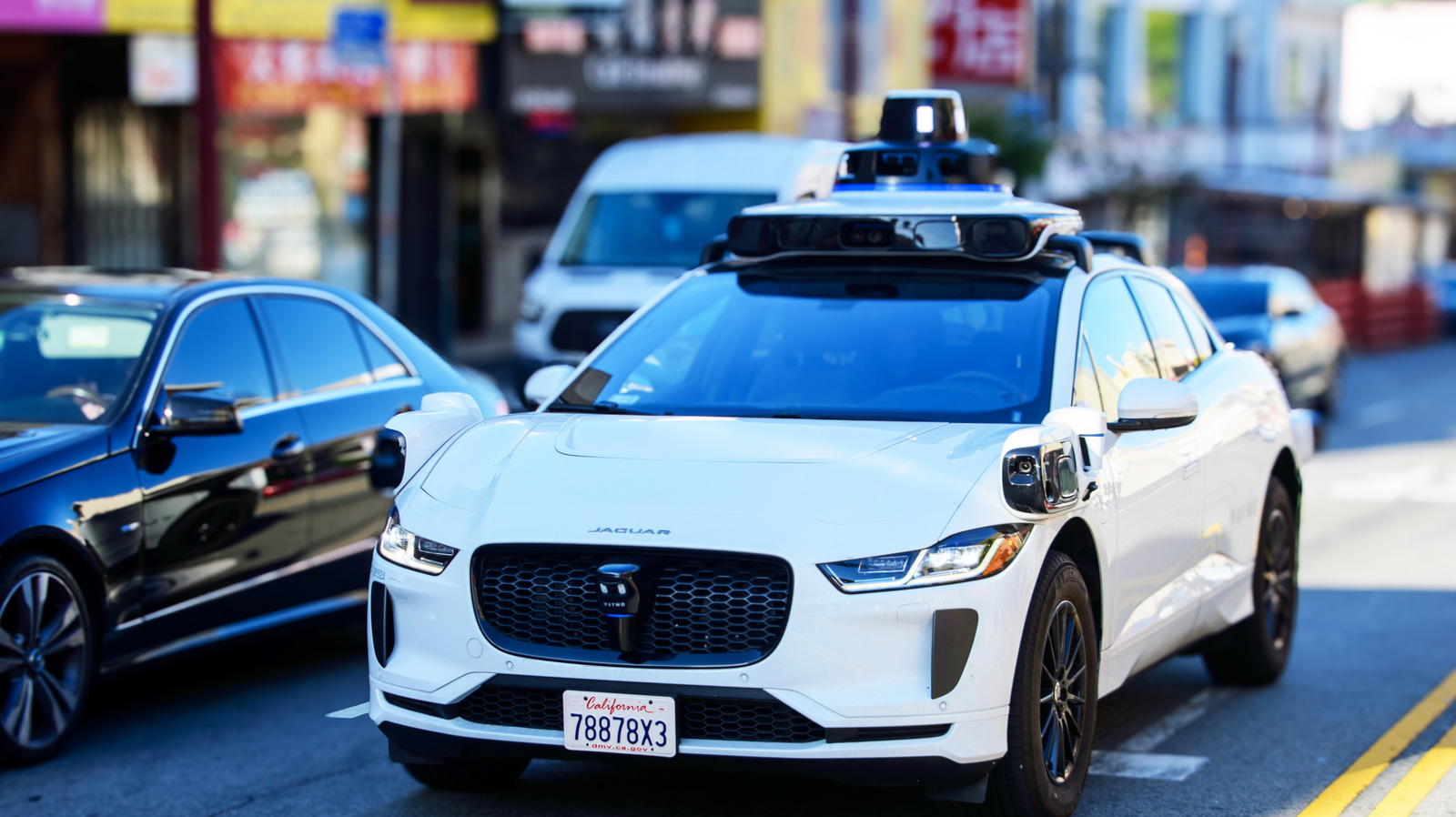
Waymo and Zoox test drivers absorbed dozens of injuries while training the robotaxis
Autonomous vehicle safety cases rest on crash comparisons with human drivers, but exclusive OSHA data reported by TechCrunch carries a second injury count: the sprains and whiplash logged by the test drivers training the cars.
The Product Desk · Product desk
What happened
- The Insurance Institute for Highway Safety reported that Waymo's robotaxis were involved in roughly 65 percent fewer car crashes than human drivers last year.
- A September 2026 TechCrunch report built on exclusive OSHA data found that Waymo and Zoox caused dozens of injuries to test drivers training their vehicles around major cities.
- The injuries were sprains and whiplash, caused by sudden stopping and other mistakes during training.
- TechCrunch reported that brake jabs were the most common cause of injury among the testers, often triggered by phantom debris.
- TechCrunch reported that injuries kept happening at Zoox throughout 2026, and described its own dataset as somewhat incomplete because OSHA's reporting mandates are narrow.
Compiled by The Product DeskSomething wrong?How this is made
Why it matters
- cost The cost of teaching these cars to drive is being paid in the driver's seat, by employees and contractors, and it sits outside the crash comparison.
- constraint With the public OSHA record thin, a city or a fleet buyer cannot size worker harm from it and has to ask each company for its own injury log.
- contradiction Both records can be true at the same time: the crash comparison is evidence about the people around the vehicle, and it says little about the program teaching it.
- decision A city renewing a testing permit has to decide whether worker injury data belongs in the file. The crash rate will not surface it.
The car sees something at the roadside, decides it is an obstacle, and stops hard. The person in the driver's seat goes into the belt. Researchers at the University of California Irvine found that autonomous vehicles often make dangerous stops when they detect harmless objects at the side of the road [13]. Tesla sat under an NHTSA phantom braking probe for four years [14].
Two records are being kept here, and they count different events. A collision rate counts contact with other road users, so a stop that hits nothing leaves no trace in it. Waymo's internal figures are about accidents too: the company claims its vehicles reduce accidents involving serious injuries by 94 percent [2]. A sprained neck in a test seat is a workplace injury, not an accident under that definition, and it is filed with a federal labor agency and read by a different set of people. The crash comparison is also not uniform across companies, since Tesla's robotaxis recorded more accidents than their human counterparts during the Austin rollout [18].
Teams tell themselves the safety case is about the person in the back seat and the person crossing the road. The training phase seats someone for a shift while the car practices on live streets. Zoox, the steering-wheel-free robotaxi company Amazon owns [9], has contractors doing that work, and they told TechCrunch that the company's software systems sometimes shut down, causing a sudden and dangerous stop [15]. Engadget's guidance to passengers lists sudden braking among the obvious red flags [19].
Several of the recalls and probes in the public record come from one failure family. Zoox recalled more than a hundred vehicles in July 2026 after they failed to identify smoke, following an incident in which a software glitch caused a vehicle to drive into an active emergency [10]. A few months before that, Waymo recalled taxis that had driven into flooded streets [11]. Tesla drew a federal probe over its self-driving software's struggles in reduced-visibility environments [12]. Smoke, standing water and dim light are all perception failing in degraded conditions [20].
Stalling is the other shared behavior. A system malfunction in Wuhan, China stopped at least 100 robotaxis in the middle of the road [16], and similar congestion has occurred in San Antonio, Los Angeles, San Francisco and Atlanta [17]. Waymo has also recalled vehicles for driving into closed roads and construction zones, with breaking school bus safety regulations and interference with first responders among the other examples Engadget lists [21].
For anyone buying supervised testing labor or writing the safety case, two questions matter. One is who absorbs the harm: people outside the vehicle, or the person employed to sit inside it. The other is whether your published number counts it. Crashes get published. Training injuries stay on a log kept for a labor agency. The fix is one more denominator, recordable injuries per supervised mile, reported next to crashes per mile. The trade-off is small and worth naming: the crash comparison is still the best public evidence that these cars are safer for the people around them, and it stays that way with a second number beside it. According to TechCrunch, little is known about the results of Waymo's more up-to-date tests [8].
What to watch
- Whether Zoox publishes a recordable injury count for its 2026 test program.
- Whether Waymo releases test-driver injury data alongside its next crash comparison.
- Whether NHTSA's probe into Tesla's performance in reduced visibility ends in a recall.