Loading today’s stories
Product1 distinct publisher3 min readUpdated
DC wants 15 cents a mile from robotaxis. That is a price, not a permit.
A 15-cent-per-mile fee earmarked for transit and displaced workers is not a permit condition. It is a price, and the DC Council has shown it can set one.
The Product Desk · Product desk
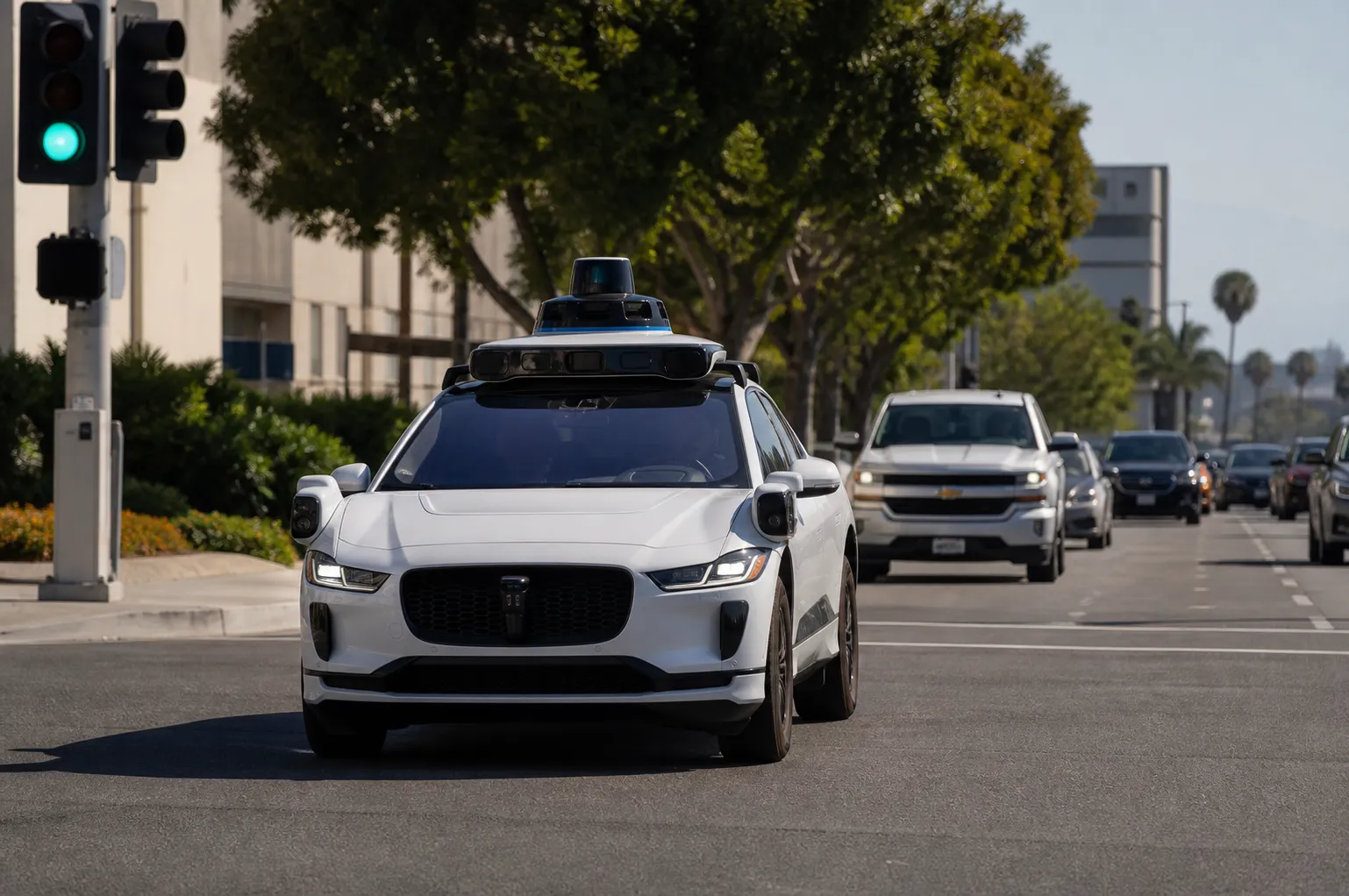
What happened
- In New York, Gov. Kathy Hochul withdrew a proposal earlier this year that would have opened the door to driverless robotaxis outside New York City after opposition from taxi drivers, unions, and state lawmakers; six months later commercial driverless service remains illegal in the state and legalization efforts are stalled.
- In DC, labor unions are fighting legislation that would legalize commercial robotaxis, while lawmakers are weighing a 200-vehicle cap and a 15-cent-per-mile fee that would fund Metro upgrades and aid workers displaced by autonomous vehicles.
- A July DC City Council hearing on the robotaxi proposal ran for 10 hours.
- San Francisco Mayor Daniel Lurie, a vocal supporter of robotaxis, is now calling for tougher robotaxi regulations after Waymos repeatedly snarled traffic during emergencies and major events.
- As of July, California police can formally cite autonomous-vehicle manufacturers when their driverless cars break traffic laws.
Compiled by The Product DeskSomething wrong?How this is made
Why it matters
A per-mile levy is a different instrument from a permit. A permit is a yes or no; a levy is a price, and prices can be raised. The DC proposal, as reported by The Verge, ties that price to two things a robotaxi operator cannot influence with better software: Metro capital upgrades and support for workers displaced by automation [2]. That is a claim on the unit economics of every mile, indexed to costs that have nothing to do with how the vehicle drives.
Run the arithmetic on the cap. If a 200-vehicle fleet did the kind of volume Waymo currently gets out of more than 3,500 cars nationally at over 500,000 paid rides a week [8][9], that is roughly 143 rides per vehicle per week. A 200-car ceiling implies around 28,600 rides a week, or about 0.07 percent of the roughly 280 million trips Uber handles in a week [10][11][12]. The levy on that volume is small money. What matters is that the mechanism exists, and that a council which sets a number at 15 cents has established it can set a different one.
The pattern in the source is that the binding constraint has moved from what the vehicle can do to what a jurisdiction will let it do and at what price. New York withdrew its enabling proposal after opposition from taxi drivers, unions and state lawmakers, and commercial driverless service is still illegal there six months on [1]. San Francisco's mayor, described as a robotaxi supporter, is asking for tougher rules after Waymos repeatedly obstructed traffic during emergencies and large events [3]. California police can now cite the manufacturer when a driverless car breaks a traffic law [4]. Texas started enforcing permit requirements for commercial AV operators this year [6]. Even the welcoming states are writing paperwork.
There is a tension in the source worth naming. The political heat is disproportionate to the commercial footprint: The Verge notes robotaxis remain a tiny slice of US ridehailing and have not yet displaced many driving jobs [13], while a single DC council hearing on the legislation ran ten hours [2][14]. The visibility of a stalled driverless car during a blackout is doing the regulatory work that market share has not yet earned. Operators are being priced on the fleet they intend to have, not the one they run.
For anyone planning a rollout, the practical consequence is that expansion capital now has a regulatory line item that varies by city and is negotiated in public with unions in the room [2]. Zoox is testing in ten cities and plans to extend its Explorer program to Austin and Miami later this year [7]; Tesla is growing an unsupervised fleet ahead of the Cybercab launch this month [15]. Each of those is a separate negotiation with a separate price. The federal picture does not resolve it either: Congress has passed no comprehensive robotaxi law, and NHTSA's contribution has been a warning that vehicles unable to interact safely with first responders endanger the public [5]. That warning is a standard nobody has yet had to price, and it is the one most likely to become the next line item.
Loading topic controls
Loading related stories