Product2 publishers3 min readPublished
The number in the Palo Alto-NTT DATA deal is not $1 billion. It is 80 machine accounts per human
A multiyear alliance targets $1 billion in joint business by 2029. The ratio it is built to sell into is the part most security teams cannot yet enumerate.
The Product Desk · Product desk
Drafted by a language model from the sources cited here and checked against its claim ledger before publication. How we use AISend a correction
What happened
- NTT DATA and Palo Alto Networks announced on Thursday a multiyear global alliance targeting $1 billion in joint business by the end of 2029, pairing Palo Alto's security platforms with NTT DATA's consulting and managed services to help clients assess cyber risk, deploy AI securely, and manage the controls afterward.
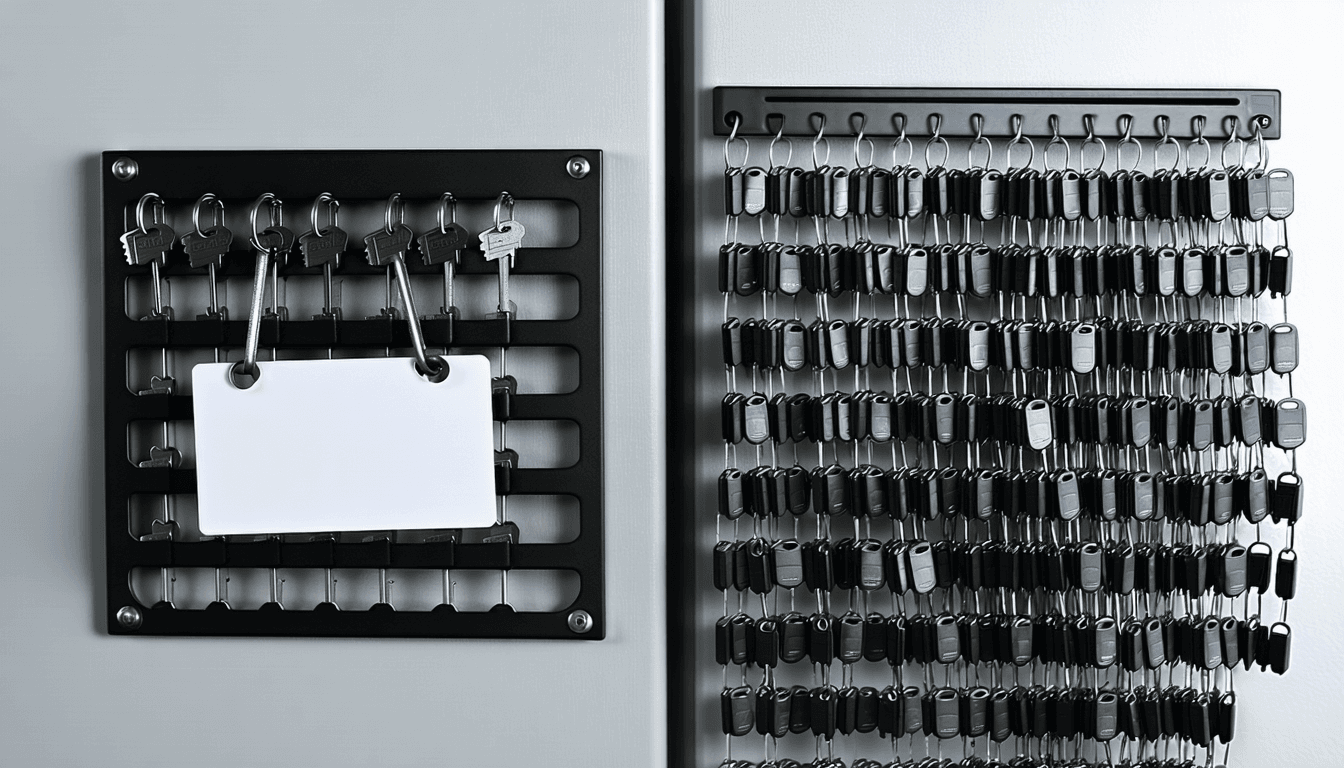
- In February, Palo Alto Networks put the ratio at more than 80 machine accounts for every human one inside a typical enterprise.
- An AI agent deployed inside a bank or hospital system queries databases, moves files, and calls other software on its own schedule, and to do any of that it needs credentials, just like an employee does.
- At more than 80 machine accounts per human account, an enterprise with 1,000 employees would hold more than 80,000 machine accounts.
- Most security teams cannot produce a full list of their machine accounts, so they cannot say who or what has access to their most sensitive systems.
Compiled by The Product DeskSomething wrong?How this is made
Why it matters
NTT DATA and Palo Alto Networks announced on Thursday a multiyear global alliance targeting $1 billion in joint business by the end of 2029, pairing Palo Alto's security platforms with NTT DATA's consulting and managed services [1]. The more consequential figure in the announcement is one Palo Alto published in February: more than 80 machine accounts for every human account inside a typical enterprise [2].
That ratio is the whole commercial thesis. An AI agent deployed inside a bank or a hospital queries databases, moves files, and calls other software on its own schedule, and to do any of that it needs credentials, the same way an employee does [3]. At 80 to 1, a 1,000-person company is carrying more than 80,000 machine accounts [4]. Palo Alto's own framing is that most security teams cannot produce a full list of them, which means they cannot say who or what has access to their most sensitive systems [5]. An organisation that cannot enumerate its non-human identities also cannot scope the remediation, which is exactly the condition under which a client buys a multiyear assessment-and-managed-services engagement rather than a tool.
The identity work in the agreement runs on technology Palo Alto acquired when it closed its $25 billion purchase of CyberArk in February and rebranded in May as Idira [6]. Palo Alto said NTT DATA was a top-tier CyberArk partner before the acquisition and is already selling Idira at scale [7]. NTT DATA brings more than 7,500 cybersecurity staff and 70 delivery centres [8]. Read plainly, this is a distribution decision: a $25 billion identity asset needs systems integrators to carry it into regulated industries.
The $1 billion deserves less weight than it will get. Asked directly, NTT DATA said the figure is the total value of customer contracts and orders the two companies sell together over the period, blending product and subscription revenue with services, integration and managed services, and said it does not break out further details [9]. Palo Alto confirmed the definition and declined additional specifics, citing the quiet period before its fiscal fourth-quarter results, due September 1 [10]. Neither would say what the joint business is worth today [11]. Palo Alto alone guided to roughly $11.4 billion in revenue for fiscal 2026 [12]. Split across three years and two balance sheets, the target averages about $333 million a year of combined bookings, under 3 percent of Palo Alto's single-year revenue guide [13].
Two details limit how much changes on the ground. Nothing here is exclusive: NTT DATA's managed security services also run on CrowdStrike's Falcon platform under a partnership expanded in March 2025, and the company said technology choices remain client-led [14]. And the first of the six solution areas is an autonomous security operations centre [15]. Asked whether that means fewer analysts, NTT DATA said a SOC running without security professionals is a misconception, that automation handles alert triage and repetitive investigation, and described the shift as workforce transformation rather than reduction [16].
Watch the September 1 results for whether Palo Alto quantifies Idira attach rates or a baseline for the joint business [10]. Watch, too, whether any client engagement produces a defensible machine-identity inventory, because the 80-to-1 number is a sales premise until someone counts.