Invest1 publisher3 min readPublished
New farmland loans at NH NongHyup fell 18% once Seoul said it would survey who holds the land
NH NongHyup Bank's new farmland-backed loans fell 18.1% to 523.2 billion won from March to August as South Korea surveyed farm ownership. Appraised collateral behind those loans fell 19.3%, so farmers can borrow less against their main asset while field inspections continue.
The Investor · Invest desk
Drafted by a language model from the sources cited here and checked against its claim ledger before publication. How we use AISend a correction
What happened
- The number of new farmland-backed loan accounts at NH NongHyup Bank fell 16.0% to 3,685 from 4,385 over the same six months.
- Some regional agricultural and livestock cooperatives lowered lending limits or tightened collateral appraisals after farmland auctions repeatedly failed to draw bids.
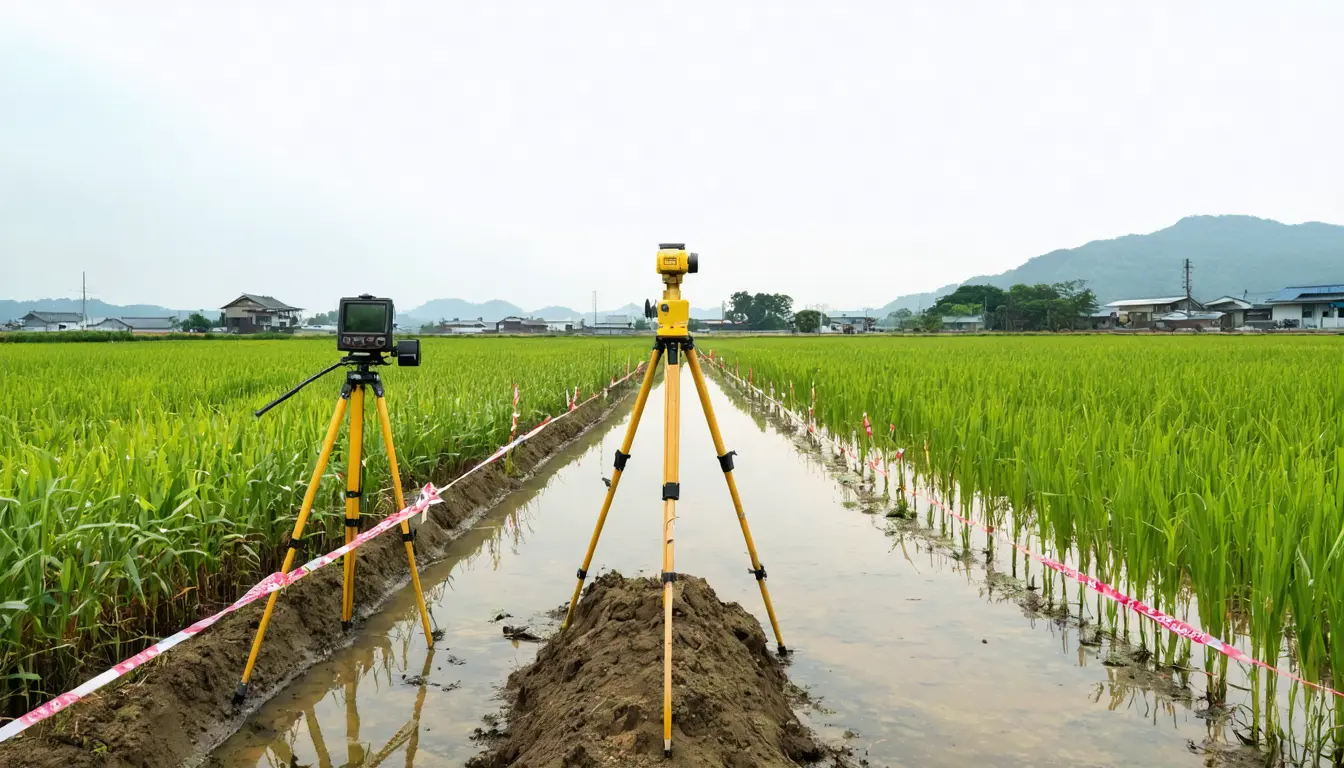
- The government began a basic survey of about 1.36 million hectares acquired since 1996 on May 18 and moved to field inspections in August.
Compiled by The InvestorSomething wrong?How this is made
Why it matters
- cost Farm households bear the first cost, because each new loan now rests on collateral appraised about 4% lower and the same field funds less machinery or facility spending while the survey runs.
- exposure Recoveries on NongHyup's 11.54 trillion won farmland book depend on selling land at auctions that are failing to draw bids, so a rise in farm defaults would be hard to work out through the usual route.
- contradiction Lee says proper holders face no disadvantage, yet the tighter screening and appraisals reported at lenders apply to every farmland borrower, including those the survey is not aimed at.
- decision The government now has to choose between holding the survey line and adding demand or credit support for farmland before inspections finish, as Song Ok-joo is pressing it to do.
Divide the six months of lending by the number of accounts and the average new loan comes to about 142.0 million won, against roughly 145.7 million won a year earlier [1]. Loan size fell 2.6% while the number of loans fell 16.0% [2][2]. Most of the 115.7 billion won shortfall in new lending is loans that were never written [8].
The advance rate barely changed: new loans came to about 30.1% of appraised collateral this year and 29.6% last year [3]. Collateral behind the average new loan fell about 4.1%, to roughly 472 million won from 493 million won [4]. A shift toward smaller plots would produce the same figure, and the bank data do not separate plot size from price. It does match the report that some regional agricultural and livestock cooperatives lowered lending limits or tightened appraisals after auctions repeatedly failed to draw bids [7].
Outstanding farmland-backed loans fell 243.8 billion won between the end of February and the end of August, to 11.54 trillion won, but they had also fallen 181.7 billion won over the same months last year [4]. The excess is 62.1 billion won [5]. That is about a quarter of this year's runoff and roughly 0.5% of the February balance, inside a total decline of about 2.1% [6][7].
The timing supports a signalling effect. President Lee Jae-myung told officials at a late-February Cabinet meeting to review farmland taxes, regulations and financing and to run a full survey if necessary [5]. The loan data start in March [1]. The basic survey, covering about 1.36 million hectares acquired since the Farmland Act took effect in 1996, began on May 18, and field inspections followed in August [6]. Lee wrote that "the farmland survey is just a survey, and those who hold farmland properly face no disadvantage whatsoever" [10]. The problem, he added, lies with "those who had no intention of farming, deceived the government by claiming they would farm purely for speculative purposes, acquired farmland and then left it idle without farming it" [11].
The caution reported at lenders is general. Seoul Economic Daily cites a view within the agricultural sector that uncertainty over whether farmland can be sold, and where prices are headed, has made lenders more cautious in screening loan applications [8].
The figures come from a single bank and compare one six-month window with the year before; Rep. Song Ok-joo of the Democratic Party of Korea obtained them from NH NongHyup Bank [1]. The thesis fails if NongHyup's lending against other collateral fell by a similar share over the same months. It also fails if farmland lending was already sliding at this pace before February. The balance, at least, was shrinking last year as well [4].
If the field inspections close with few findings and sales resume, new lending should recover first, because lenders never cut the share of value they advance [3]. If the inspections lead to enforcement against idle holdings, more land reaches an auction market that is already failing to clear [7]. I think the second path is the larger risk to collateral values, since the cooperatives are appraising against those failed auctions. Song said the government must "ease unrealistic and outdated farmland regulations and prepare measures to create demand that can revitalize transactions serving the public interest, in order to calm anxiety" [9].
What to watch
- NongHyup's farmland-backed balances for September onward, to see whether new lending recovers as the field inspections that began in August wind down.
- Bid rates at farmland auctions run by regional agricultural and livestock cooperatives, the price signal behind the tighter appraisals.
- Whether the government publishes inspection findings or announces any credit or collateral support for farm households before the survey closes.