Product1 distinct publisher3 min readPublished
The Twinvis air picture was fused into Rheinmetall's Skymaster over Link 16 while Skymaster directed a Skynex battery, which makes emitter-free detection specifiable, though the release never says a passive track cued a shot.
The Product Desk · Product desk

Compiled by The Product DeskSomething wrong?How this is made
Somebody has to turn this into a sentence in a tender document, and that sentence is where a demonstration either holds up or quietly evaporates.
Draw the grid first. One axis is whose network carried the track: a vendor test harness, or the network the unit actually fights on. The other axis is what the track was permitted to do on arrival, meaning paint a symbol on a display versus feed the assignment that points a weapon. Manching sits on the right side of the first axis, because the fusion happened inside NATO's Link 16 [5]. Where it sits on the second is less clear. The picture was integrated into Skymaster [2], and Skymaster was the system directing the Skynex battery in the scenario [3], but the release never says a Twinvis-derived track on its own was the basis for an engagement [14]. Skymaster is also built to fuse active radar and electro-optical inputs [8], so a passive contribution to a picture and a passive track you would shoot on are not the same purchase.
The release carries no numbers either. No detection range, no track count, no accuracy figure, no fusion latency, and no calendar date beyond the exercise name [13]. What survives is a qualitative statement from the two companies that the passive radar performed well at detecting and tracking air targets [6], which is a sentence that reads identically whether the tracks were solid or merely present.
Then there is the tense. The findings are described as an excellent foundation for integration into stationary Skynex systems, mobile Skyranger solutions and counter-UAS products such as Skyspotter [11]. One of those, Skynex, had a battery in the scenario being directed by the very system that took the Twinvis feed [15]. The honest reading is that an interface worked once, under exercise conditions, in a configuration nobody can yet order off a price list.
The reason a buyer wants it anyway is emissions control. Rheinmetall and Hensoldt pitch the combination as resilient, low-emission surveillance in line with an EMCON strategy, aimed at protecting high-value infrastructure, critical facilities and mobile units [9], and they rest the survivability argument on the absence of a distinctive identification to detect [10]. That argument only converts into money if the passive track is trusted far enough down the chain that the active radars can stay quiet.
Which points at how to write the requirement: as a behaviour rather than a component. The C2 system shall accept, correlate and permit weapon assignment on third-party passive tracks over Link 16, at a stated track quality. The cost of that phrasing is that acceptance testing becomes an argument about thresholds rather than a checkbox, and the supplier pair that just ran the demonstration will want to set those thresholds. The alternative, naming Twinvis and Skymaster in the specification, buys a clean test and ties the whole air picture to one pair of vendors [2].
Ranked by verification strength, evidence, and original report placement.
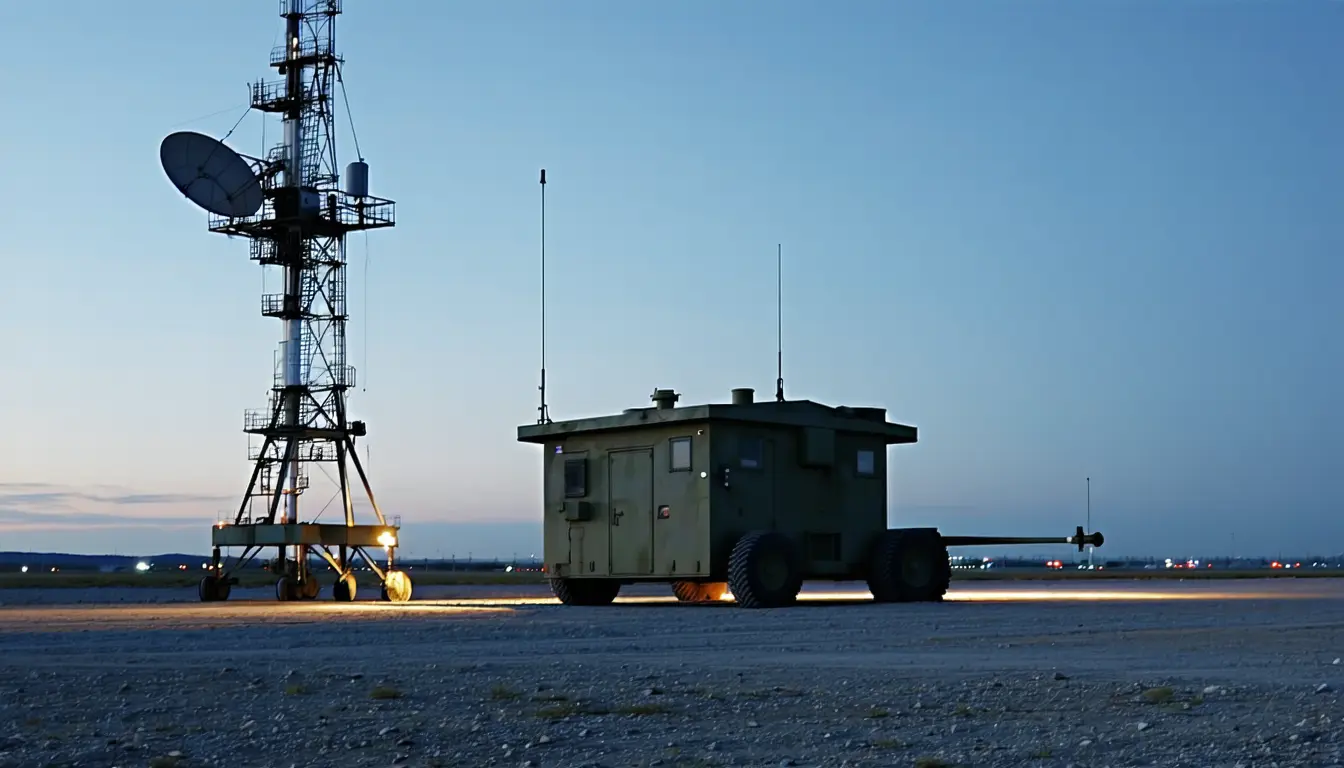
Rheinmetall Air Defence and Hensoldt demonstrated the integration of passive sensor technology during the German Air Force exercise Timber Express 2026 in Manching.
The air picture generated by Hensoldt's Twinvis passive radar was integrated into Rheinmetall's Skymaster command and weapon engagement system.
Skymaster was directing the Skynex Air Defence battery deployed in the exercise scenario.
The companies said the integration took place under realistic NATO networking conditions and demonstrated the flexibility and open architecture of the Skymaster system.
A common air picture was generated by fusing and correlating sensor data within NATO's Link 16 network.
Twinvis is described as a passive radar based on the latest digital technology that can be used for wide-area military airspace surveillance or civil air traffic control.
Distinct publishers with included, body-backed reporting in this cluster.
1 article · August 30, 2026
Follow any of these and your For You feed starts watching them — no settings page required.
product
Leonardo DRS killed small drones with a software update, not a new vehicle1 distinct publisher
product
Army puts up to $49m behind a microwave that has to shoot while the truck is moving1 distinct publisher
product
Fiber-optic drones are pushing counter-UAS buyers toward 250-gram kinetic interceptors1 distinct publisher
Evidence-backed comparisons of source perspectives and observed adoption signals. Read the methodology
Which Builder, Operator, and Investor concerns the observed source mix emphasized—not a truth score.
Evidence, demonstrated adoption, hype gap, incentives, and confidence are assessed independently, each on its own current evidence. How these are measured.
One release, retold once
Every fact in this story — the exercise, the fusion path, the battery, the performance verdict — comes from a joint Rheinmetall–Hensoldt announcement that Interesting Engineering reproduces closely, twice citing the release outright. The two firms whose products are being praised are the only voices; the Luftwaffe, which supplied the exercise, is credited but not quoted. Nothing is measured, so there is nothing to check.
Real exercise, no programme
This is further along than a lab bench: a Skynex battery was in the scenario, Skymaster was directing it, and German Air Force organisations were in the room. It is also nowhere near service — the pairing has no order behind it, and the Skyranger and Skyspotter integrations exist only as stated intentions in the same paragraph that sells them.
Headline outruns the release
'Major boost' is the framing; the text underneath will not make the one statement that would justify it. Skymaster was directing the battery, and the Twinvis picture was inside Skymaster — the release places those facts side by side and never joins them into a cue-to-shoot chain. Strip the adjectives and what remains is a successful data-format exercise with an interesting implication.
Both narrators are sellers
Hensoldt sells the receiver and Rheinmetall sells everything it is being plugged into, so the parties describing the result are the parties who profit from how it is described. The tell is the final paragraph: it stops discussing the trial and starts listing Skynex, Skyranger and Skyspotter, which is procurement copy rather than reporting on what happened at Manching.
Events firm, meaning open
We are fairly sure the demonstration happened as described — a named exercise with an air force present is not the sort of thing two listed defence firms misstate, and nothing in our coverage contradicts it. We are much less sure what it establishes, and with a single outlet working from a single release and no metrics, the honest position is to trust the sequence and discount the significance.