BuildIndependently confirmed3 publishers2 min readPublished
Firefox Enterprise puts its policy, DLP and AI controls on servers the customer runs
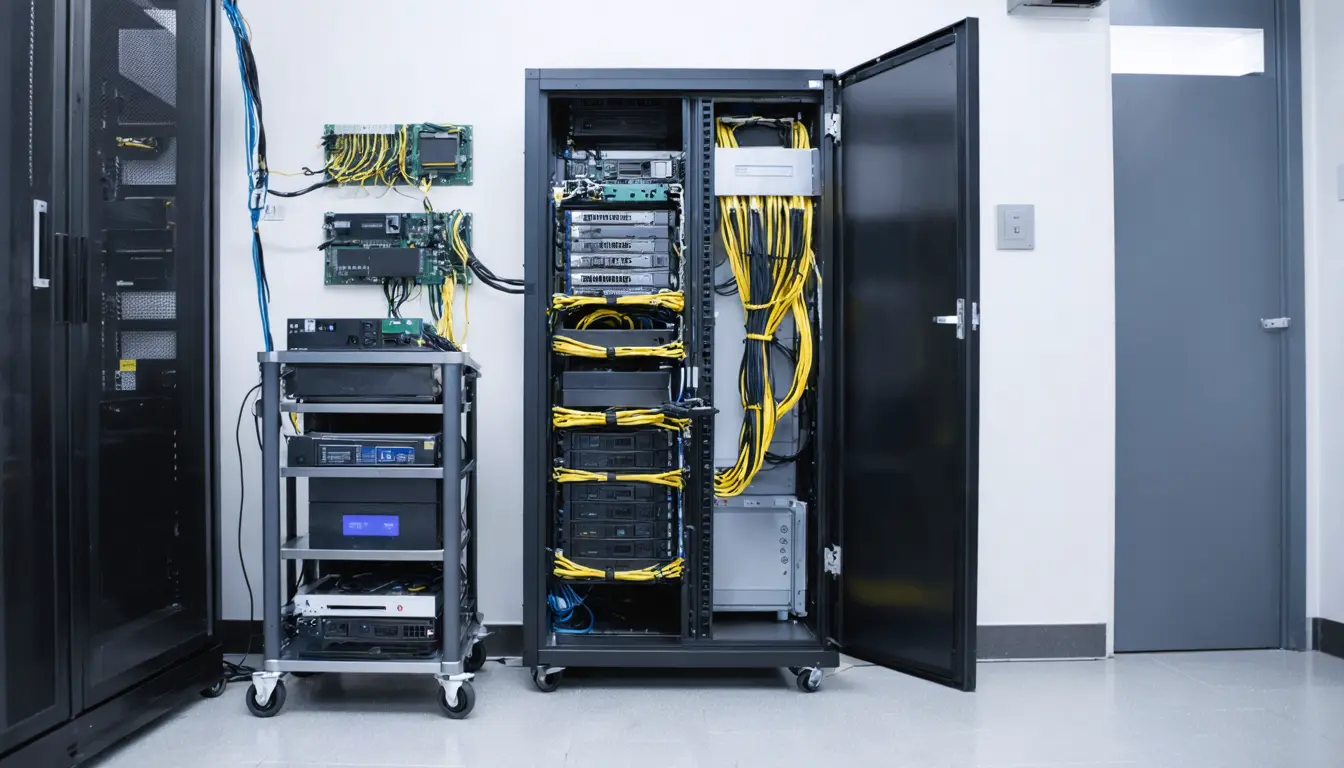
Mozilla launched Firefox Enterprise on October 12, 2026, with a browser management console that customers run on their own infrastructure. Policy, DLP and AI-use controls live on that server, so the customer also deploys, patches and backs it up.
The Engineer · Build desk
Who the console reaches: the customer must deploy, patch and back it up, on top of an unpublished license price; internal apps using browser AI need a fallback; web apps tested in Chrome may break on Gecko; uploads and pastes can be warned or blocked by domain; further markets are unnamed.
- cost Customer running the console Someone has to deploy, patch and back it up, a cost on top of the unpublished license price, claim 7
- constraint Internal apps on browser AI Need a fallback, since the console can restrict or disable AI tools in the browser, claim 15
- exposure Web apps tested in Chrome Web apps tested only in Chrome may break in small ways once staff are pushed onto Gecko, claim 17
- constraint Staff uploads and pastes DLP in the console can warn or block uploads and pastes by domain, claim 14
- constraint Teams in unnamed markets Mozilla says more markets will follow the launch countries but has not named them, claim 11
| Who | How | Kind | Claim |
|---|---|---|---|
| Customer running the console | Someone has to deploy, patch and back it up, a cost on top of the unpublished license price | cost | 7 |
| Internal apps on browser AI | Need a fallback, since the console can restrict or disable AI tools in the browser | constraint | 15 |
| Web apps tested in Chrome | Web apps tested only in Chrome may break in small ways once staff are pushed onto Gecko | exposure | 17 |
| Staff uploads and pastes | DLP in the console can warn or block uploads and pastes by domain | constraint | 14 |
| Teams in unnamed markets | Mozilla says more markets will follow the launch countries but has not named them | constraint | 11 |
What happened
- Sales start in France, Germany, Austria and Switzerland, the only four markets Mozilla has named.
- From the console, IT teams manage browser policy and access, govern how data moves through the browser and set controls around AI use.
- Mozilla says the product works alongside a company's existing identity providers, SIEM platforms and MDM systems.
- The browser runs on Gecko, which Mozilla calls the only major browser engine developed outside Google and Apple.
- Mozilla says Thunderbird Enterprise is in development and would be managed from the same console, with no date given.
Why it matters
- cost The customer deploys, patches and backs up the console, and that labor adds to a license price Mozilla has not published.
- constraint Internal apps that depend on browser AI features need a fallback when the console switches those tools off, and Chrome-only web apps may break on Gecko.
- exposure Mozilla's page says the product is built to help meet DORA, GDPR, NIS2, ISO 27001 and SOC 2. In our view a self-hosted console is a system the customer's own auditors will have to scope.
- decision A team in another EU country has no stated date, because Mozilla says more markets will follow and has not named them.
Mozilla's chief executive framed the product around dependency. "If all your options are built with the same technology underneath, 'choice' is a lie. So is control," said Anthony Enzor-DeMeo [8]. The engine answers the first half of that. The console answers the second, and Mozilla's announcement describes the offer as "a browser whose management infrastructure you operate, so you decide where data lives and have greater visibility into how it moves" [5]. Neither the announcement nor Tech AI Wire's write-up describes the console's components, the staffing it needs, or what the browser sends back to Mozilla, if anything.
In our view this is the right trade-off for a team that already operates its identity provider, SIEM and MDM. The console becomes one more system in an operations practice that exists. For a team with no such practice, nothing in the launch material shows the trade works.
One feature changes the failure analysis. The product page describes identity-based access to internal apps for employees, contractors and staff on their own devices, without traditional remote-access infrastructure [16]. If that access is brokered through the console, the server the customer patches and backs up also sits in the login path. We would ask Mozilla in a pilot what happens to that access when the console is down.
Evaluation is sales-led. The product page offers "Contact sales" and "Request a Demo" instead of a download [19], so a first look at the console starts with a conversation. Firefox head Ajit Varma told diginomica on October 7 that an enterprise version was in beta with "expanded data loss prevention and managed visibility capabilities" [18]. That was five days before the launch [20].
What to watch
- Mozilla publishing license prices and a description of what the console needs to run and what the browser sends to Mozilla.
- Mozilla naming the next markets after France, Germany, Austria and Switzerland.
- A date for Thunderbird Enterprise under the same console.
Clarity's read
What the record supports and how the coverage leans. The claims behind it follow.
Reality
- Evidence50
- Adoption
- Insufficient
- Hype gap+20
- Incentives70
- Confidence65
Claim ledger
Ranked by verification strength, evidence, and original report placement.
- [1]
Mozilla launched Firefox Enterprise on October 12, 2026.
- [2]
Firefox Enterprise pairs the Firefox browser, built on Mozilla's Gecko engine, with a management console organizations can run on their own infrastructure.
- [3]
From the console, IT teams can centrally manage browser policy and access, govern how data moves through the browser and set controls around AI use.
- [4]
Sales of Firefox Enterprise start in France, Germany, Austria and Switzerland.
- [5]
Mozilla's announcement says: "Just add a browser whose management infrastructure you operate, so you decide where data lives and have greater visibility into how it moves."
ReportedSupportedSource: Mozilla announcement2 sources— create a free account to open themView cited source - [6]
The Firefox Enterprise product page says the product is built to help organizations meet DORA, GDPR, NIS2, ISO 27001 and SOC 2 requirements.
ReportedSupportedSource: Firefox Enterprise product page, as relayed by Tech AI Wire2 sources— create a free account to open themView cited source - [7]
Because the console runs on the customer's own infrastructure, someone has to deploy, patch and back it up, and that cost should be factored in along with the unpublished license price.
- [8]
"If all your options are built with the same technology underneath, 'choice' is a lie. So is control," said Anthony Enzor-DeMeo, Mozilla's chief executive.
ReportedSupportedSource: Anthony Enzor-DeMeo, Mozilla CEO2 sources— create a free account to open themView cited source - [9]
Mozilla calls Gecko, the engine Firefox runs on, the only major browser engine developed outside Google and Apple.
- [10]
Mozilla says Thunderbird Enterprise is in development; it would bring the same customer-controlled model to email, calendar and contacts, managed from the Firefox Enterprise console, and no date has been given.
- [11]
Mozilla says more markets will follow the four launch countries but has not named them.
- [12]
Mozilla says Firefox Enterprise works alongside a company's existing identity providers, SIEM platforms and MDM systems.
- [14]
DLP in the console can warn or block uploads and pastes by domain.
- [15]
The console can restrict or disable AI tools in the browser, so internal apps that rely on browser-based AI features need a fallback.
- [16]
The product page describes identity-based access to internal apps for employees, contractors and staff on their own devices, and says it works without traditional remote-access infrastructure.
- [17]
A company that adopts Firefox Enterprise will push staff onto Gecko, and web apps tested only in Chrome may break in small ways.
- [18]
In an October 7 interview with diginomica, Firefox head Ajit Varma said an enterprise version was in beta with "expanded data loss prevention and managed visibility capabilities."
- [19]
The product page offers "Contact sales" and "Request a Demo" instead of a download.
- [20]
The October 7 beta remark came five days before the October 12 launch.
Sources
3 independent publishers whose own reporting we read for this story.
- blog.mozilla.orgMozilla introduces Firefox Enterprise
1 article · October 12, 2026
- dev.toFirefox Enterprise launches with a self-hosted console
1 article · October 13, 2026
- thenextweb.comMozilla launches Firefox Enterprise for companies in Europ
1 article · October 13, 2026
Topics and entities
Follow any of these and your For You feed starts watching them — no settings page required.
Topics
- Digital sovereigntyFollow
- Enterprise browsersFollow
- Data Loss PreventionFollow