Product1 distinct publisher3 min readPublished
The software now has a name and a year attached, Sonos 27, plus an AI voice assistant and an MCP port that lets outside agents drive the system. The hardware arrives in September 2026 to prove it works.
The Product Desk · Product desk

Compiled by The Product DeskSomething wrong?How this is made
The buyer of the first Sonos Ace wanted headphones that behaved like the rest of the system rather than a Bluetooth accessory with the right logo on it. TechRadar reports that the behaviour arrives with the Ace Ultra's new Headphone Engine 2 chip, which lets the headphones work as a standard part of the Sonos ecosystem [3], at $449 [2]. A software complaint got a silicon answer. That sets the terms for the rest of the announcements.
The Beam Ultra carries the same logic on its spec sheet. Sonos claims 7.1.2 channels of Dolby Atmos from nine drivers, two of them upfiring [4]. Add the channel designations and you get ten positions out of nine drivers [15], so at least one of them is produced by processing rather than by a dedicated cone. The compact soundbar is partly an argument about software, sold as hardware.
Sonos 27 is the first name the platform has had [7], and Conrad told TechRadar the year moniker is attached on purpose, because the systemness of the software is what makes Sonos [11]. It reads like branding. In practice it functions like a commitment. A version year makes staleness legible in a way "the app" never did: a household still on Sonos 27 in 2029 can count how far back it sits, and so can the dealer who sold them the system. It also puts the company on a public annual clock, which is a harder promise for a firm whose software changes, as TechRadar notes, are met with caution by its own community [14].
Sonos 27mcp is the piece with the longest tail. It is described as a new way for AI agents to connect to Sonos systems and control them [10], arriving alongside an in-house AI voice assistant, Sonos 27voice [9]. Fabric, the layer underneath, is defined as the capability that lets products sense each other and adapt to the moment [8], which describes intent rather than behaviour anyone can test yet. The published interview does not set out how MCP permissions are scoped, or whether the original Ace picks up Fabric's smart music switching [17]. The new features go to new-hardware buyers. The port goes to whoever is building agents. Existing owners get a name for the system they already own.
A grid for sorting this before pre-orders open on September 1 [6]. Down one side: does the capability run on hardware already in the house, or does it need a new SKU. Across the top: when it misfires, is Sonos the party who has to fix it, or somebody else's agent. Runs today with Sonos owning the failure is the only box you can pilot without spending money or writing policy. Needs a new SKU with Sonos owning the failure is simply a purchase, so price it against the $699 Beam Ultra [5] and decide on the merits. Runs today with a third party owning the failure is where 27mcp lands, and that box needs a rule about which agents may change what before anyone switches it on. New hardware plus an outside failure path is the box where waiting is cheap: there are 28 days between pre-order and delivery [16], and plenty of other people's living rooms to learn from after that.
Ranked by verification strength, evidence, and original report placement.
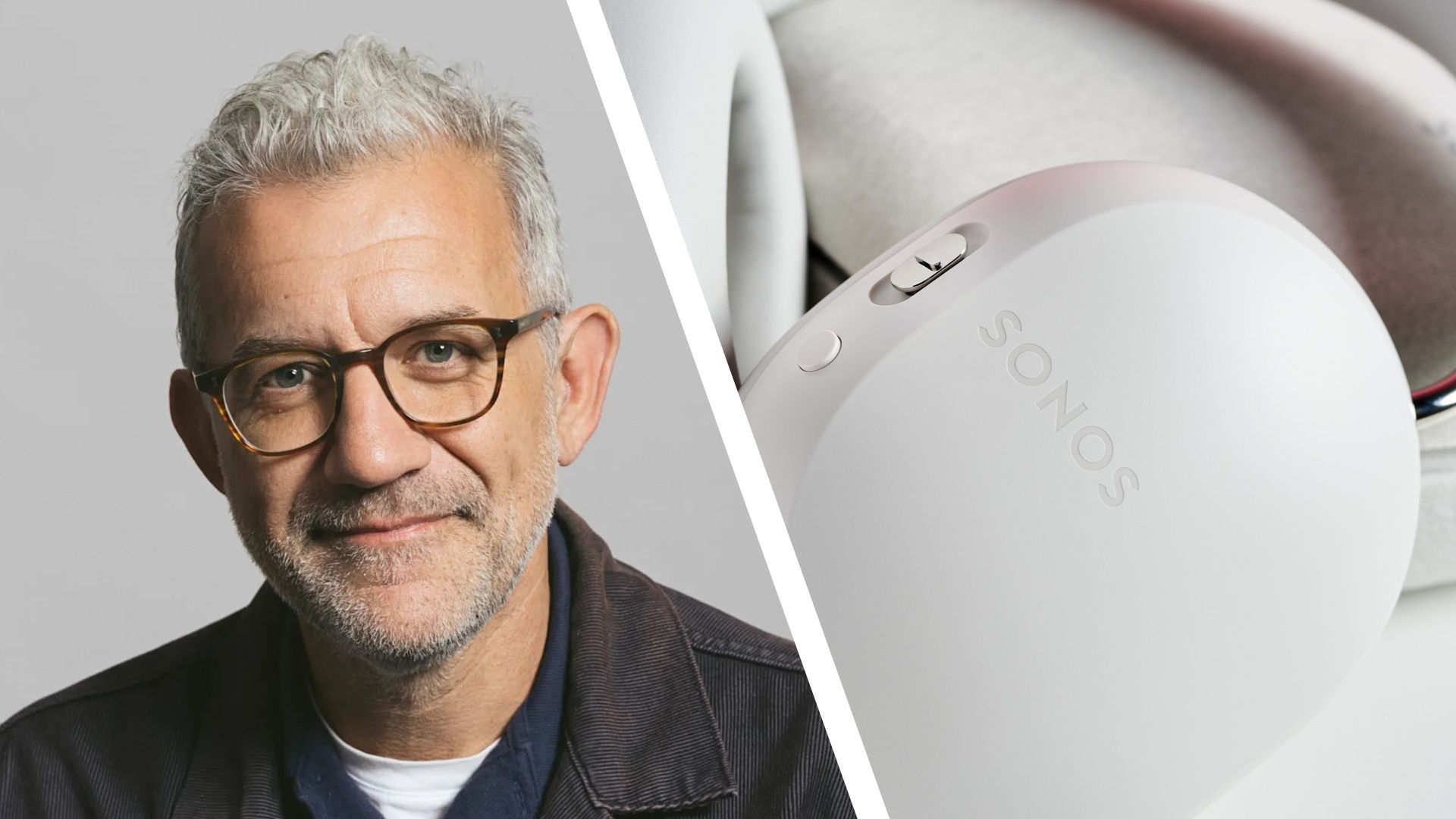
Sonos made three announcements: the Sonos Ace Ultra headphones, the Sonos Beam Ultra soundbar, and a rebranding of its software side as an "operating system" called Sonos 27, adding a new AI-enabled voice assistant, new AI agent integration, and smarter ways for its speakers to work together.
The Sonos Ace Ultra launches at $449 / GBP399 / AU$699 and brings a new 40mm driver plus a new chip called the Headphone Engine 2.
The Beam Ultra sits between the Sonos Beam (Gen 2) and the Sonos Arc Ultra, and is a compact soundbar delivering 7.1.2 channels of Dolby Atmos using nine drivers, including two upfiring drivers, a first for the Beam range.
The Sonos Beam Ultra launches at $699 / GBP699 / AU$1,099.
Both the Ace Ultra and Beam Ultra are available to pre-order on September 1, 2026, and launch on September 29, 2026.
Sonos has given its software platform a name for the first time: Sonos 27.
Distinct publishers with included, body-backed reporting in this cluster.
Follow any of these and your For You feed starts watching them — no settings page required.
product
Sonos's comeback rests on two FCC filings and one sentence about AI1 distinct publisher
build
Airlock's per-case proxy enforces what a tool's readOnlyHint only claims1 distinct publisher
invest
Google's bank agent can read FactSet. The licence, not the model, decides how much.1 distinct publisher
build
Rate limit your MCP servers, because a retrying agent turns one error into a billing incident1 distinct publisher
Evidence-backed comparisons of source perspectives and observed adoption signals. Read the methodology
Which Builder, Operator, and Investor concerns the observed source mix emphasized—not a truth score.
Evidence, demonstrated adoption, hype gap, incentives, and confidence are assessed independently, each on its own current evidence. How these are measured.
One outlet, one voice, announcement morning
The prices, the nine drivers, the September 29 date and the whole software taxonomy come from a single TechRadar piece published as pre-orders opened, sourced to Sonos and to Tom Conrad speaking for Sonos. The specification facts are precise and attributable, which is why this does not score lower. What is missing is anyone outside the company: nobody has heard the Ace Ultra, measured the Beam Ultra's 7.1.2 claim against its nine drivers, or tried to point an agent at 27mcp.
Nothing has shipped yet
Pre-orders opening is a sales event, not usage. No install base figure, no developer taking up the agent port, no third party running the new voice assistant — and the hardware that is supposed to demonstrate all of it lands four weeks after this reporting.
Naming ahead of shipping
Calling the software an operating system, attaching a year to it and pre-announcing Sonos 28 and 29 is a branding decision doing the work of a track record. The pieces that would make it an operating system in the sense builders mean — a documented agent interface with a permission model, an assistant people have lived with, features that reach hardware already in customers' homes — are named in a sentence each and demonstrated nowhere. The gap is real but not cynical: the prices and dates are concrete, and Conrad's diagnosis of a decade spent on boxes rather than the system is unusually candid for a launch interview.
Access traded for the first draft
Sonos picked the outlet, the day and the frame: an exclusive interview timed to the minute pre-orders opened, in which the CEO narrates his own first year and the reorganisation he ordered. TechRadar's return is the access, and it shows in a piece that relays the spec sheet unchallenged and lets the operating-system metaphor stand. To its credit, the one adversarial note in the story — that the community will treat new Sonos software carefully — is the reporter's, and it is raised before Conrad speaks rather than buried after.
Sure of the announcement, not of the product
That Sonos said these things, at these prices, on these dates is about as solid as single-source reporting gets — the CEO is quoted at length and the numbers are unambiguous. Everything downstream is a promise with a September 29 due date: that the Headphone Engine 2 really makes the Ace Ultra a full ecosystem citizen, that nine drivers deliver ten channel positions convincingly, that an agent port is safe to open onto a household's speakers.