Product2 publishers3 min readPublished
From $50 to $2.25M: Niu Lai prices human authorship, not AI reputational risk
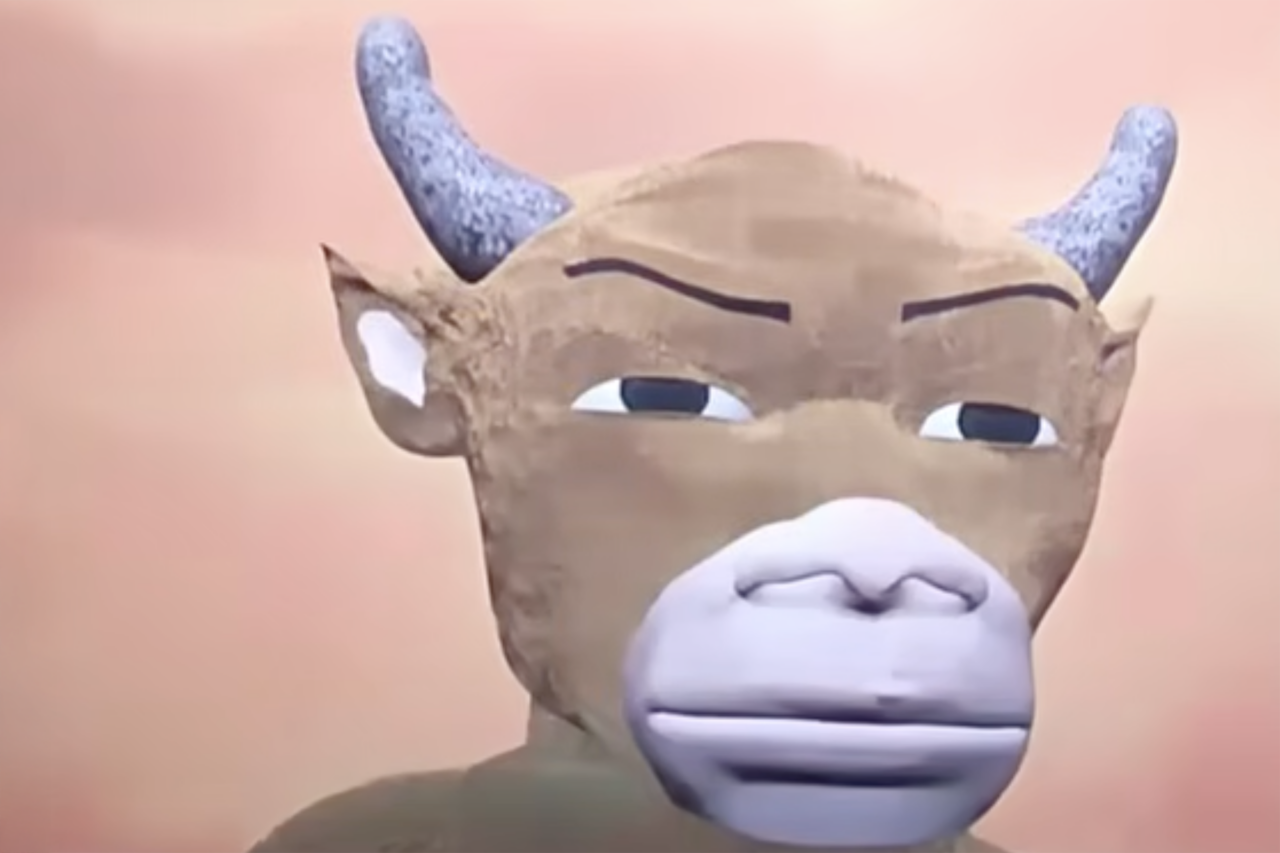
An animated feature made by two people took 342 yuan on opening day and nearly 15 million yuan after mockery clips spread. The reporting does not say AI was involved, which changes the lesson.
The Product Desk · Product desk
Drafted by a language model from the sources cited here and checked against its claim ledger before publication. How we use AISend a correction
What happened
- Niu Lai (translated as "The Ox Comes" or "Here Comes the Ox") is an animated feature released in China on August 5, directed by Xin Yumeng and written by Sun Lifang, who were the only crew members and the voice actors.
- According to reports from Chinese outlets, Niu Lai's opening day grossed only 342 yuan (about $50).
- Only 236 people saw the film in its first nine days of release.
- Nine days after release, the film's box office stood at 7,159 yuan (roughly $1,000), with around two hundred people having seen it.
- The film has taken almost 15 million yuan ($2.25m) since its August 5 release.
Compiled by The Product DeskSomething wrong?How this is made
Why it matters
An animated feature called Niu Lai opened in Chinese cinemas on August 5, credited to two people who wrote, animated and voiced the entire thing, and took 342 yuan, about $50, on its opening day [1][2]. It has since grossed almost 15 million yuan, roughly $2.25 million, after early viewers posted stills and short video clips that sent other people into cinemas to see it for themselves [5][12].
The tempting read is that this is a price tag on AI backlash. It is not. Mao Yan lists the film as written, animated and voiced entirely by Xin Yumeng and Sun Lifang, and The Paper reports Xin handled modeling, animation, editing, production and voice acting, with production carried out "without the support of a professional production team, outsourced processes or rendering teams" [7][8]. Neither source in front of us says generative AI was used to make it [19]. AI enters the story only as a comparison: Shanghai Daily reported some viewers calling the animation worse than AI-generated clips, while others took the opposite position, one X user writing that they would respect "the most dog a** animation done by humans than the most polished animation done by AI" [9][10]. Gizmodo's framing is that the film reads as undeniably human largely because AI output does not look this bad [11].
The early numbers are worth separating. Gizmodo cites Chinese outlets saying 236 people saw the film in its first nine days [3]. Dexerto reports the nine-day box office at 7,159 yuan, about $1,000, with around two hundred viewers [4]. The attendance figures do not match, and neither does the marketing account: some commentators credit an ink-wash poster for pulling in curious ticket buyers, while the BBC reports the film had no proper promotional poster and cinema staff drew their own [13]. What is consistent is the shape of the curve. August 15 alone brought in 46,000 yuan, more than six times the entire first nine days [6][20], and the cumulative total is on the order of two thousand times that nine-day figure [c19b].
For anyone building distribution, the mechanism here is the only durable part. The product did not improve. Viewers described jerky character movement, characters clipping inside each other, and flat smeared textures [14]. Demand came from the clip, not the film, and the film became a reason to have seen the clip. That is unowned distribution, and it was unowned in both directions: the state-owned Beijing News argued that theatres should "act as gatekeepers for the audience" and "clearly reject films that are obviously not up to standard", reports say the film is being pulled from cinemas, and at least one report says Xin pulled it himself while promising to improve in future work [15][16]. The full film then turned up on YouTube [17]. Attention arrived, inventory was withdrawn, and the free copy captured the residual.
Two things to watch. First, whether the withdrawal holds or the run resumes, since the upside only converts while screens exist. Second, the provenance question: Gizmodo notes the company behind Niu Lai was until recently registered as a building contractor, which has prompted speculation the film was made to secure government film subsidies [18]. That theory is unproven, and it is the difference between a folk hit and a subsidy artefact that got famous by accident.