Invest1 publisher2 min readPublished
CFTC pairs its optional crypto exchange registration with a 28-day wallet delivery exception
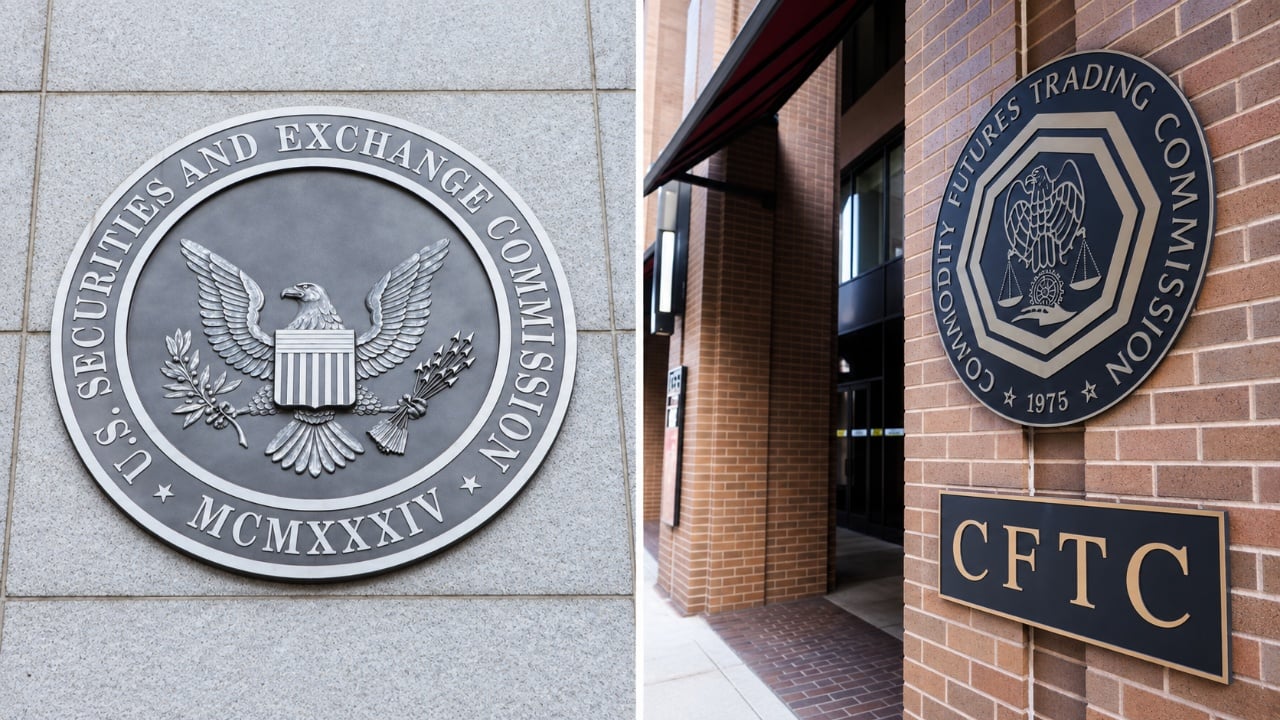
CFTC on Oct. 5 opened a consultation on an optional federal registration for crypto venues offering retail leverage, with 60 days for comments. Chairman Michael Selig also proposed a 28-day wallet-delivery test that would generally exempt those trades from registered-exchange trading rules.
The Investor · Invest desk
Drafted by a language model from the sources cited here and checked against its claim ledger before publication. How we use AISend a correction
What happened
- The wallet-delivery proposal follows the withdrawal of earlier digital asset delivery guidance in December 2025.
- SEC custody proposals released with Chairman Paul Atkins's Oct. 1 statement would allow adviser and fund self-custody in some cases and state trust companies as custodians.
- The SEC's Sept. 17 Innovation Exemption already gives qualifying tokenized-stock venues temporary relief, conditional on restricted access and equivalent shareholder rights.
Compiled by The InvestorSomething wrong?How this is made
Why it matters
- decision A venue that finances retail crypto trades has to weigh registrant capital and segregation costs against handing customers their coins within four weeks.
- precedent Because this is an advance notice, venues' comments can still move the 28-day figure and the category's terms before any proposed rule is written.
- constraint Firms that run a retail venue and also advise funds face two separate tracks, since meeting the CFTC's delivery test does not settle the SEC's custody requirements.
"I want to underscore that this is a federal option for crypto asset exchanges," Selig said [3]. A venue takes an option when it costs less than the alternative. For an exchange offering retail trades with leverage, margin or financing [2], the alternative came in the same remarks. Transfer the coins to an external noncustodial wallet within 28 days, and the trade generally satisfies an exception to registered-exchange trading requirements [6].
Each route has a price. Registering brings proof of reserves and intermediaries held to disclosure, capital and segregation requirements [5]. Capital ties up the firm's own money, and segregation keeps customer property apart from it [5]. Delivery costs the asset instead. A noncustodial wallet gives its user control of the credentials needed to move the coins [12], so a venue that delivers inside four weeks no longer holds what it financed.
If venues whose lending depends on keeping customer coins on site register, the category fills with the businesses that hold the most customer property. If venues willing to let the coins go deliver within the window, the category stays thin and the 28-day line becomes the working retail rule. A third outcome depends on Congress: compulsory registration for every exchange, which Selig said would need congressional action [4], would remove the choice.
I think the 28-day figure will matter more to venue cash flows than the category does. It sets what staying out costs, and a venue measures that against the capital it would hold as a registrant. The counter-thesis is that retail customers start choosing venues on reserve proofs and segregation. In that case the category, or rather the separation of customer property that comes with it, is worth more than its compliance bill. If the largest leveraged venues use their comment letters to negotiate the category's terms, they plan to register, and I am wrong.
The SEC's moves cover the securities side. Atkins argued on Oct. 1 that outdated requirements should not force onchain markets offshore [8]. The August Regulation Crypto Assets proposal offers two exemptions for investment contract offerings: up to $5 million once over four years, or up to $75 million per 12-month period [11]. Run the larger route for four years and the ceiling is $300 million, 60 times the small one [17]. Issuers pay for that capacity with financial statements and ongoing reporting, on top of the disclosures both routes require [11].
What to watch
- Whether the CFTC keeps the 28-day delivery figure when it moves from this advance notice to a proposed rule.
- The further crypto proposals Atkins said on Oct. 1 are coming, and whether any reach retail crypto trading venues.