Science1 publisher2 min readPublished
Tirzepatide activates brown fat in obese mice even when their food intake is matched
University of Barcelona researchers found that tirzepatide activated calorie-burning brown fat in obese mice eating the same amount as untreated controls. The result points to an effect on metabolism beyond appetite that has not yet been tested in humans.
The Scientist · Science desk
What happened
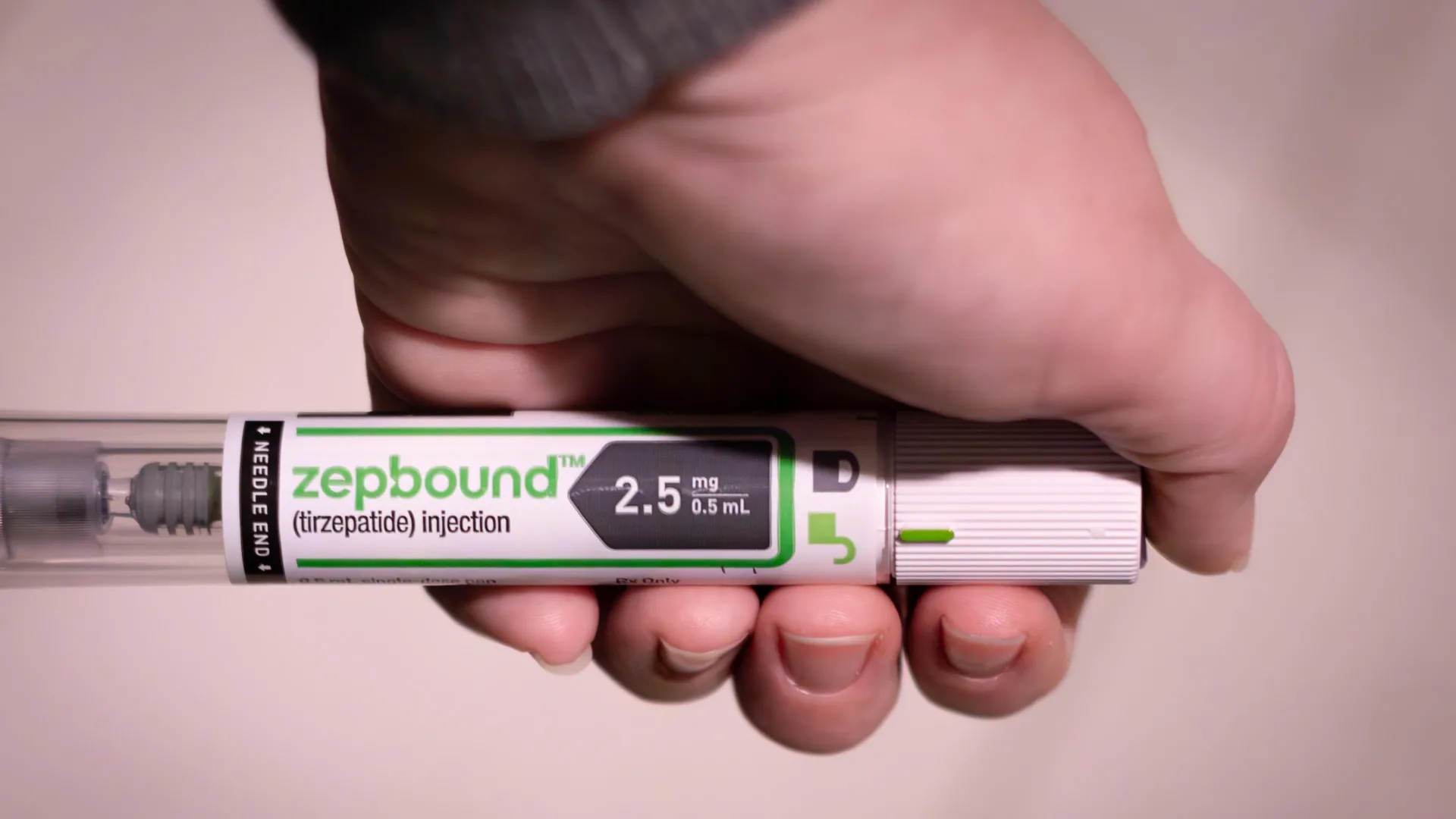
- Tirzepatide, sold as Mounjaro and Zepbound, acts on the GIP and GLP-1 hormone receptors and produces weight loss largely by cutting food intake.
- A team led by Marion Peyrou at the University of Barcelona treated obese mice on a high-fat diet with the drug and compared them with untreated mice fed the same amount.
- The treated mice showed activated brown adipose tissue, the type of fat that uses energy, relative to those food-matched controls.
Compiled by The ScientistSomething wrong?How this is made
Why it matters
- constraint Confirming the effect in patients will need methods other than the fat-deposit analysis used here, because that kind of tissue work cannot readily be done in people.
- decision Peyrou argues that a human confirmation would strengthen the case for obesity drugs designed to raise energy expenditure and activate brown fat as well as reduce food intake.
- precedent If the effect holds in people, researchers treating brown fat as a drug target would have an approved medicine to study after earlier candidates stalled on heart side effects.
Tirzepatide's weight loss comes largely from reduced food intake [1]. A plain comparison of treated and untreated mice would therefore mix the drug's own effects with the effects of a smaller diet. Peyrou's group [3] avoided that by giving untreated obese mice the same amount of food the treated mice received [4]. The researchers said that let them distinguish changes caused directly by tirzepatide from those resulting from reduced calorie consumption [5].
Against that control, the brown fat result held. "This activation is associated with an increased capacity to burn metabolic energy and with the production of batokines by brown adipose tissue, molecules that are beneficial for metabolism," Peyrou said [7]. The wording is careful. A greater capacity to burn energy is a property of the tissue. Whether the whole animal actually spent more calories is a separate measurement. The university's release does not report that measurement, the number of mice, the dose, the length of treatment, the size of any change, or where the study was published [13].
Peyrou also described what the activation would mean for the rest of the body. "This drug not only reduces body weight, but also has beneficial effects on metabolism. Active brown adipose tissue 'burns' glucose and fat within the body, which would contribute to its positive effect not only in reducing body weight, but also in lowering blood glucose and fat levels, and improving metabolism," she said [8]. Her verb is conditional.
Scientists have long seen brown fat activation as a possible treatment for obesity and other metabolic diseases, but earlier attempts to do it with drugs have often failed because of side effects, particularly on the heart, according to the release [9]. Peyrou said tirzepatide differs on that point. "Tirzepatide, although it activates brown adipose tissue, does not have these negative effects; on the contrary, it shows cardiovascular benefits," she said [10].
In my view the food-matched comparison makes a sound case that tirzepatide does something to brown fat in obese mice that reduced eating does not explain. These were mice made obese on a high-fat diet [4]. The university presents the metabolic effect as one that still has to be confirmed in humans [15]. How much it adds to weight loss or glucose control in a person has not been measured.
What to watch
- Any study in people taking tirzepatide that measures brown fat activity or whole-body energy expenditure directly.
- Whether the brown fat effect traces to the GIP or the GLP-1 receptor, which would bear on drugs that hit only one of them.
- Whether the effect appears in mice that are lean or made obese by means other than a high-fat diet.