Product1 publisher3 min readPublished
RTX 50-series prices rising up to 39% put resale value into GPU refresh budgets
Used GPUs with plenty of VRAM keep 40 to 60 percent of their value while RTX 50-series prices climb as much as 39 percent, Engadget reports. For a team planning a refresh, the old card's sale price belongs in the budget, though few models sell above list.
The Product Desk · Product desk
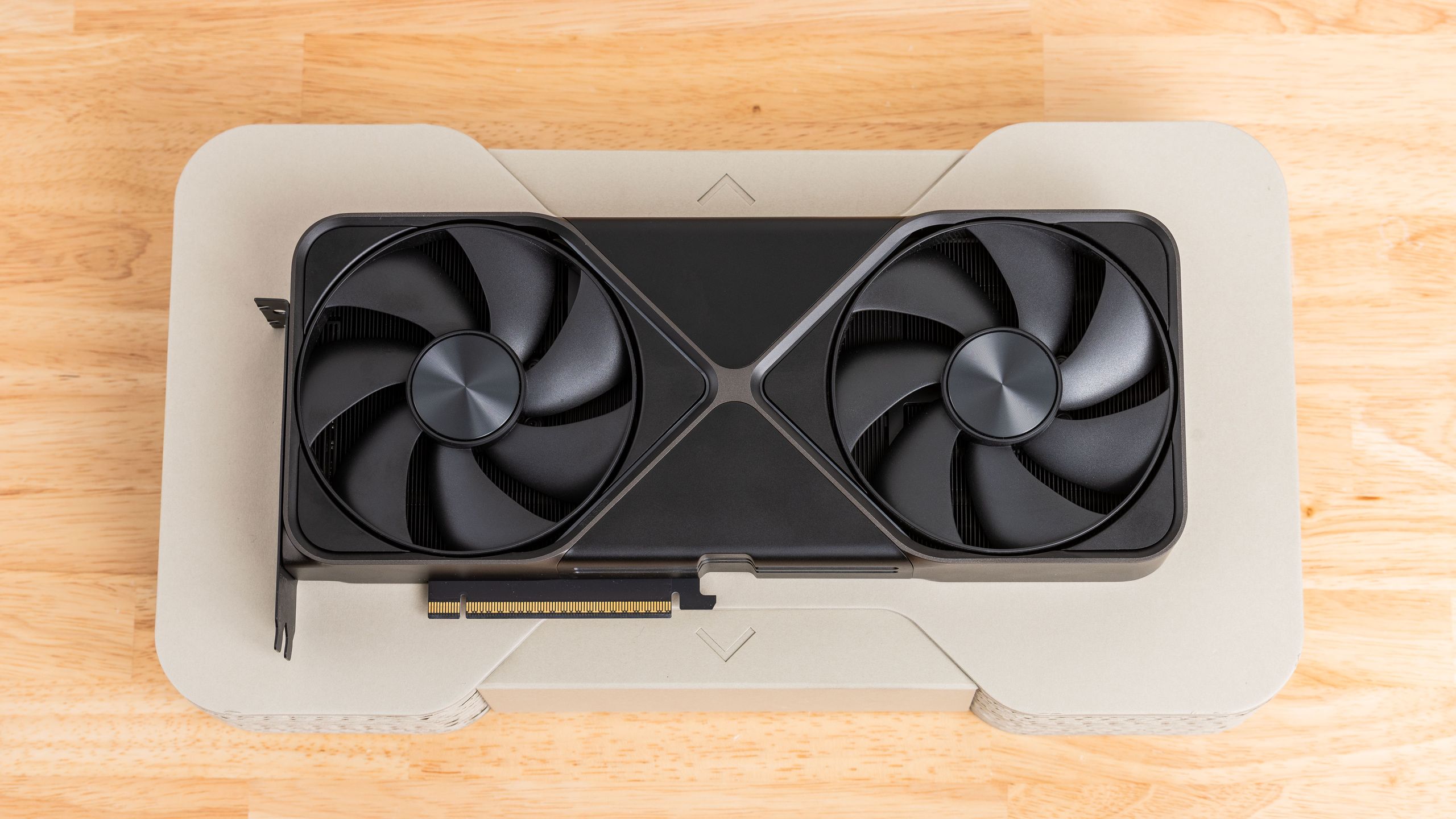
What happened
- Engadget ties high GPU prices in 2026 to the AI boom, during what it calls the great RAMaggeddon of 2026.
- NVIDIA's RTX 50-series cards have risen in price by as much as 39 percent, while AMD has raised prices by up to 10 percent.
- A further 30 percent increase on RTX 50-series prices is possible, according to Engadget.
- Most buyers building AI setups want 12 to 16 GB of VRAM, while bigger teams look for as much as 48 GB.
- Used cards in good condition with plenty of VRAM should keep at least 40 to 60 percent of their value, by Engadget's estimate.
Compiled by The Product DeskSomething wrong?How this is made
Why it matters
- cost Once the old card is sold, a like-for-like GPU swap costs 79 to 99 percent of the original list price, and a team that skips the sale pays up to 139 percent.
- decision Cards that already have the VRAM a workload needs, such as older RTX 3090s, become candidates to keep, because their value depends more on memory than on age.
- constraint The top resale price takes someone's time for listings, buyer questions and shipping, so a team with nobody assigned to the sale will take the lower trade-in offer.
The person drafting a GPU refresh budget usually fills in one column: what the new cards cost. The old ones get written down to zero and put on a shelf. eBay's sold listings show what buyers actually pay for them. Engadget found the RTX 5060 Ti and an EVGA RTX 3080 selling at 40 to 60 percent of their original price, and some for more than their original MSRP [8].
The buyers are large LLM companies and people building local AI setups, and what they pay for is VRAM [4]. Memory counts for more than age. Engadget says older cards such as the RTX 3090 are worth more than many newer models because they carry more VRAM [6].
Take a team replacing a card with one that had the same original list price. The new card now costs up to 1.39 times that price [1]. Selling the old one at 40 to 60 percent of its original price [7] [8] brings the net outlay down to 79 to 99 percent of list [1]. If Engadget's further 30 percent rise lands on today's prices, the new card alone would cost about 1.8 times its original list [2]. Engadget does not name a source for the 39 percent figure or the 30 percent forecast.
The idea that GPUs now gain value holds for a handful of listings. A card that keeps 60 percent of its value has still lost 40 [3]. I'd put the expected resale price into the refresh budget and leave any gain out of it. The tradeoff is that a team holding cards back for a further rise is betting on an increase Engadget describes only as possible [2].
The resale price costs staff time. Selling on eBay or Facebook Marketplace means a listing, photos, buyer questions and shipping, and it pays the most [9]. Newegg's trade-in program or a local repair shop will make a quick offer and handle the shipping, for far less money [10]. Unless someone on the team owns the listing, the old cards end up traded in or left on the shelf.
Engadget's selling advice sorts cards by VRAM and condition [11]. That gives a 2x2. A card in good condition with plenty of VRAM is worth selling yourself. A worn card with scarce VRAM can go to trade-in at little cost [11]. A worn card with plenty of VRAM still belongs on a peer-to-peer site, because even damaged cards sell there when the right buyer turns up [12]. A clean card with little VRAM is the close call, and the staff time available settles it.
The delay decision has its own test. If the card in the machine already has the VRAM the workload needs, keep it and move the refresh date back. If the replacement adds memory the work needs, buy it and sell the old card yourself while used prices hold.
What to watch
- Whether the further 30 percent RTX 50-series increase Engadget raises shows up in actual retail prices.
- eBay sold prices for high-VRAM cards such as the RTX 3090; a sustained drop would undercut the 40 to 60 percent retention estimate.
- Signs that the memory shortage Engadget calls the RAMaggeddon is easing, since both new-card prices and used-card resale values would likely soften.