Product1 publisher3 min readPublished
PNOE's 2.0 mask drops the trained operator from metabolic breath testing
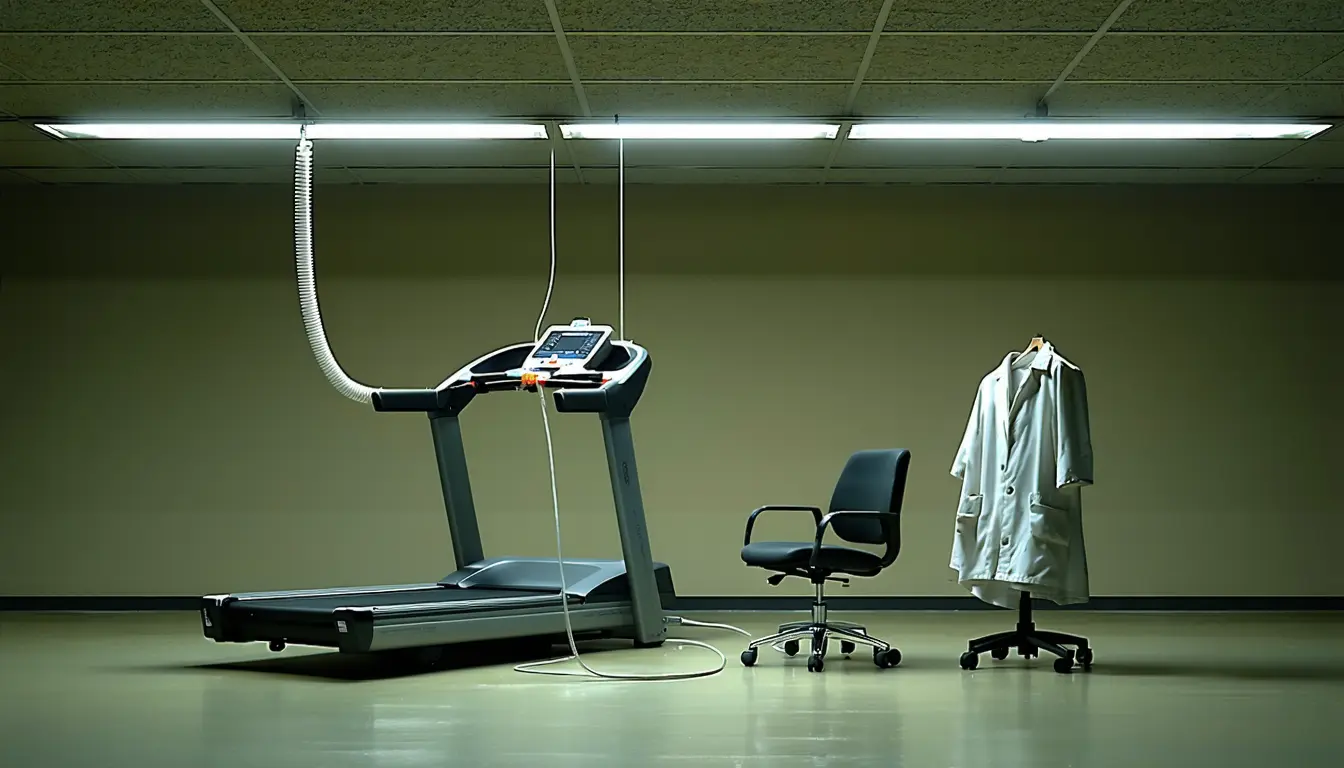
PNOE's 2.0 mask, due October 1, lets gym members run an eight-minute metabolic breath test without a trained operator. At gyms with no staff on the floor, members will use the test on their own, and PNOE's software will be the only thing explaining the results.
The Product Desk · Product desk
What happened
- PNOE, based in Malden, Massachusetts, plans to launch its PNOE 2.0 breath-testing mask on October 1.
- PNOE's current device needs a trained operator, and CEO Apostolos Atsalakis said a self-serve version could reach fitness centers without staff and possibly pharmacies.
- The electronics detach from the silicone mask and straps, so several people can share one unit while each keeps a personal mask.
- The test reports 23 biomarkers, among them VO2 max, resting metabolic rate and metabolic flexibility, which PNOE's software turns into recommendations.
- The device is not cleared by the FDA, and PNOE calls it a wellness product that does not give medical recommendations.
Compiled by The Product DeskSomething wrong?How this is made
Why it matters
- decision Gyms now have to choose between keeping the test inside a paid, staffed session and leaving it on the floor as equipment, and each choice means different staffing and pricing.
- cost Every member who tests keeps their own silicone mask, so a self-serve program adds an item per member that the gym or the member pays for, on top of the shared electronics.
- exposure With no operator present, the gym or pharmacy is the first place a worried member will ask about a reading, and the device's maker says it is not for medical decisions.
A member gets to the gym before any staff do, takes a mask off the shelf and starts the test herself. Apostolos Atsalakis, PNOE's co-founder and chief executive, described the routine as "just wear the mask, push the button, sit down," followed by eight minutes of breathing [2]. "That's it. It's that easy," he said [3].
PNOE's pitch is accuracy. The company promises lab-grade results in a portable package [7]. Until now this kind of test has needed bulky, expensive equipment, found mainly in sports labs and hospitals [10]. "We made it accessible to everyone," Atsalakis said [16]. For a gym, the 2.0 changes who has to be in the room. The current device needs a trained operator [4], so a gym without one could not offer the test.
Capacity is the next thing to check. At eight minutes of breathing per test, one unit can finish at most seven complete tests in an hour, since 60 divided by 8 is 7.5 [1]. That ceiling comes before anyone changes masks or reads a screen. A gym expecting a queue before work has to buy extra units to handle it. Atsalakis said the new unit is smaller, with fewer parts, and more reliable because of that [12]. PNOE built it with Milan-based Design Group Italia over "a lot, a lot, a lot of iterations," because, in Atsalakis's account, nobody had built a self-administered metabolic tester before [11].
Then the member gets her result. The report covers 23 biomarkers [6], and PNOE's software turns them into advice on eating and training [7]. Once the operator is gone, that software is the only explanation she gets on site. Atsalakis is plain about its limits. "It's like a body composition device, like a scale," he said. "A doctor cannot prescribe medication based on our results." [13]
Atsalakis calls VO2 max the strongest predictor of human longevity [14]. Nobody will know what members actually do with an unattended test, including whether they come back or change how they train, until the device ships on October 1 [1]. The TechCrunch report does not include a price for the hardware or the masks.
The first question for a gym is whether anyone on the floor can explain a metabolic flexibility reading. The second is whether members come for a number or for a plan.
- Staff on hand, members who want a plan: keep the test inside a paid coaching session. Self-serve mainly saves setup time. - Staff on hand, members who want a number: put the unit on the floor and let staff answer questions as they come up. - No staff, members who want a number: Atsalakis named fitness centers without dedicated staff as a target [5]. A VO2 max figure from the software may be all these members need. - No staff, members who want a plan: the software's recommendations are the entire product, and nobody is on site when a reading worries someone.
After launch, the useful figure is the share of members who take a second test.
What to watch
- PNOE's pricing for gyms once the 2.0 ships on October 1, including what the shared electronics and the personal masks each cost.
- Independent data on whether self-administered tests match operator-run results for VO2 max and resting metabolic rate.
- Whether a pharmacy chain signs on, given the device lacks FDA clearance and Atsalakis puts diagnostic use a couple of years away.