Leadership1 publisher3 min readPublished Updated
The trainee writes the syllabus: why a NATO camp refuses to teach Ukrainians drone piloting
A Norway-led program in Poland teaches what Ukraine asks for and drops what Ukraine already does better. Drone courses and electronic warfare are off the list.
The Board Room · Leadership desk
Drafted by a language model from the sources cited here and checked against its claim ledger before publication. How we use AISend a correction
What happened
- A new training program for Ukrainian soldiers on NATO soil is not teaching them to pilot drones or conduct electronic warfare because Ukraine already knows how to teach those skills itself.
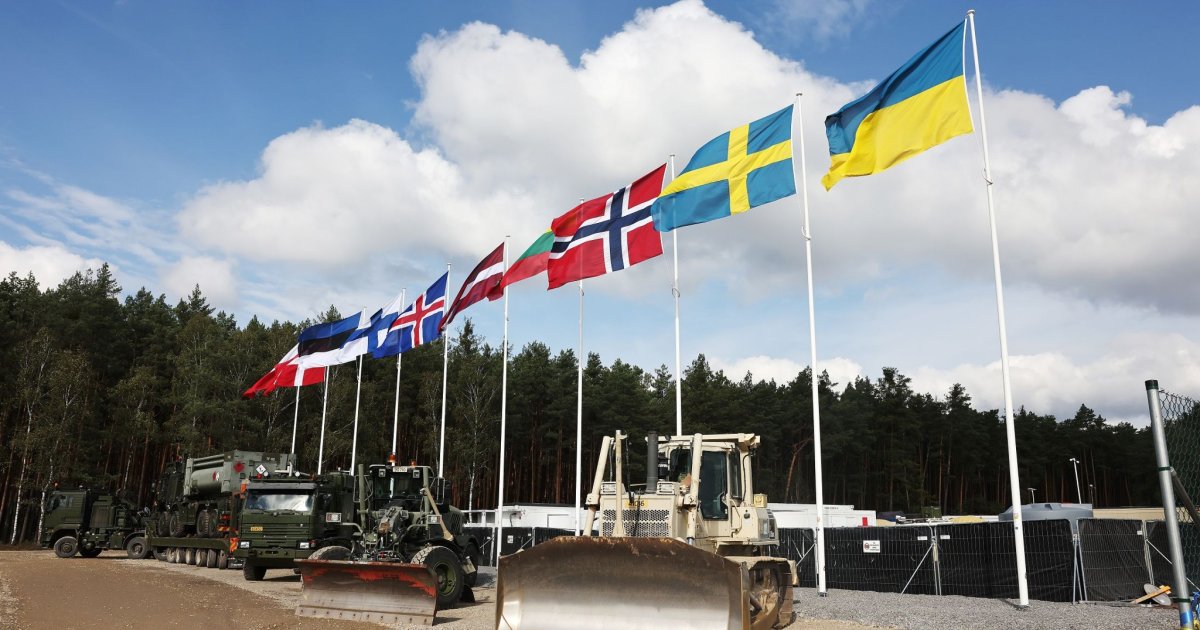
- Ukrainian soldiers are learning battlefield skills at a purpose-built camp in southeastern Poland as part of a Norway-led multinational effort called Operation Legio, which Business Insider recently visited.
- The effort aims to bring more Western expertise, doctrine, leadership and specialist skills to Ukrainian troops, while Ukraine decides which skills the training focuses on.
- Maj. John said the training is designed to mirror the fight as much as possible based on ongoing Ukrainian feedback, including what the terrain looks like, what tactics and weapons Russia is using, and what gear Ukrainian soldiers have access to.
- "We do not do drone courses. We do not do courses within electronic warfare," said Maj. John, the S3 operations officer in charge of synchronizing the overall training operation, who asked to be identified by his first name for security reasons.
Compiled by The Board RoomSomething wrong?How this is made
Why it matters
A Norway-led multinational training effort called Operation Legio is putting Ukrainian soldiers through a purpose-built camp in southeastern Poland, and it does not teach them to pilot drones or conduct electronic warfare [1][2]. The reason is the interesting part for anyone who runs a training function: the curriculum is set by the people being trained, and the two capabilities Ukraine is best at have been struck from it [3][5].
"We do not do drone courses. We do not do courses within electronic warfare," Maj. John, the S3 operations officer synchronizing the training operation, told Business Insider, which visited the camp and agreed to identify him by first name for security reasons [4][2]. His stated justification is capability, not cost: Ukrainian forces have "excellent drone training and education, and electronic warfare education. They can fix that themselves. So that hasn't been a request from the Ukrainians" [6]. Western militaries do teach their own soldiers drone piloting, using simulators and obstacle courses [c5a]. At Camp Jomsborg that step is skipped [5].
What the program does supply is Western expertise, doctrine, leadership and specialist skills, with Ukraine choosing the focus [3]. John describes the site as "a Ukrainian training center" because it teaches what Ukraine requests, incorporates Ukrainian soldiers' combat experience, and puts Ukrainian instructors alongside allied trainers, with support from Estonia, Finland and Sweden among others [7]. That definition has a governance function he names plainly: it lets Ukrainians "hold us accountable for quality and delivering that realistic training" [8]. Most training partnerships bury accountability in the provider's own quality assurance. This one hands it to the customer.
Cutting the drone syllabus is not the same as cutting drones. Soldiers are not taught to fly from scratch, but they are taught to fold drones, and the threat from enemy drones, into tactics and planning [9]. John said exposure had to be "part of the training mission because it's such a big part of the current operational environment" [10], and he characterizes drones and electronic warfare as "just an asset in this camp that enhances all the different other courses" [14]. In practice, the medical, engineering and infantry courses covering assault, urban warfare, trench clearing, heavy weapons and casualty care all carry a drone component [15][16]: troops use drones to look into trenches, treat casualties while under drone attack, and shoot drones down with shotguns [16]. The opposition force role-playing Russian units, with tanks and armored vehicles, flies drones against them [17].
The knowledge flow runs both ways. Brigadier Atle Molde, commander of Task Force Legio, said Ukrainian instructors are permanently on hand as subject matter experts on drones and electronic warfare, including how Russia and Ukraine do and do not use them [11], and that from the Ukrainian perspective their use across all training, friendly and enemy, "is of vital importance" [12]. A drone center designed in close cooperation with Ukrainians supplies and repairs gear, hosts tactical experimentation and 3D printing, and feeds lessons back to Norway and other allies [13]. Course content is adjusted on continuing Ukrainian feedback about terrain, Russian tactics and weapons, and the equipment soldiers actually have [c3a].
Watch whether the exclusion list stays where it is. It is a live signal of relative competence: the day Ukraine asks for an electronic warfare course, something has changed in Ukraine's own training pipeline. Watch, too, whether the drone lessons flowing back to Norway and its allies show up in their national syllabi, or stop at the camp gate [13].