Product1 publisher2 min readPublished
The Air Force has until March 2027 to price a factory it closed in 2015
Restarting C-17 production begins with finding out what tooling survived, and the only public cost estimate for a stop-and-restart dates to 2006. The cheap alternative, better maintenance on 220 airframes, buys back a handful of jets.
The Product Desk · Product desk
What happened
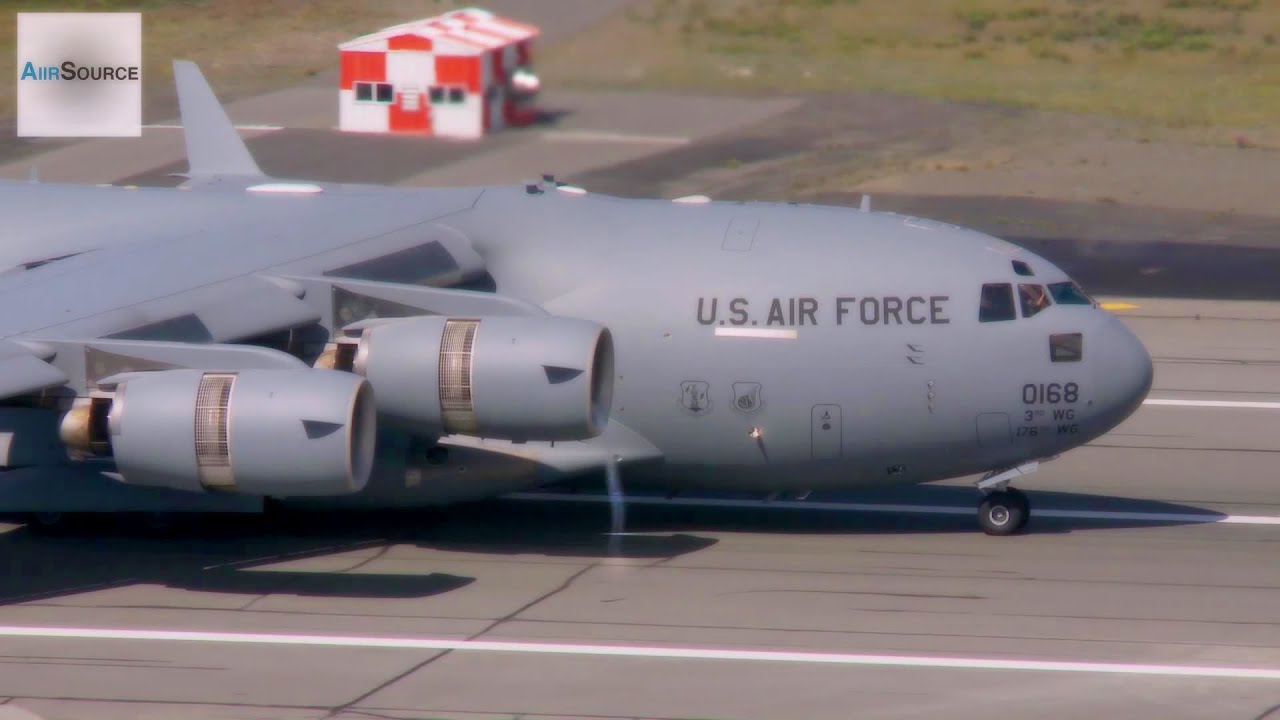
- Congress has told the Air Force to deliver a detailed analysis by no later than March 1, 2027 on whether to restart C-17 Globemaster III production or commit to designing and buying an entirely new aircraft.
- C-17 production ceased in 2015, so spare parts already in the system are all that keeps the fleet airborne unless new ones are manufactured.
- A restart would require Boeing to establish what tooling still exists, rebuild jigs and dies, locate or replace hundreds of suppliers, requalify processes, and recruit specialist workers.
- The last published estimate is from 2006, when stopping and restarting the line was costed at about $918 million to $2 billion on the assumption of a much shorter shutdown.
- The alternative programme, Next-Generation Airlift, could be ready for production by 2038 and reach operational status by 2041.
Compiled by The Product DeskSomething wrong?How this is made
Why it matters
- constraint The option that costs least also has the lowest ceiling: maintenance and avionics work cannot produce the 20 extra aircraft the report uses as its surge case.
- cost A small domestic order loads the entire restart bill onto very few airframes. The US per-aircraft price therefore depends on procurement decisions taken in London, Canberra and Ottawa.
- decision The March 2027 study settles which decade new capacity arrives in, and it does not settle sustainment: the current fleet is planned to fly for decades after a successor enters service.
Start with the fleet the study has to keep airworthy. The Air Force has around 220 C-17s and 52 much larger C-5Ms [3], and it expects to keep the C-17s flying potentially until 2075 [4]. Four in five of those 272 airlifters are the model with no factory behind it [5]. The aircraft hauls roughly 77.5 tonnes and can work from short or rough airfields [2].
The cheapest option is the one already in motion. The study will weigh improving technical support for the existing fleet, including sourcing suppliers for obscure or discontinued parts [11], and better predictive maintenance alongside upgraded avionics, computers and maintenance systems could raise the number of available aircraft by a few percent [12]. On 220 airframes, a few percent is roughly 7 to 11 aircraft [1]. The surge case the report uses for contrast is 20 aircraft, and no maintenance program produces those [13].
$2 billion, the top of the 2006 estimate, spread across ten new aircraft is $200 million each in setup before anyone builds a wing [3]. Interesting Engineering puts today's restart bill at several billions before the first aircraft is finished [9]; the article does not cite a current Air Force or Boeing figure. The publication's own answer to that per-unit number is more buyers, arguing the economics become far more attractive if the UK, Australia and Canada order aircraft themselves [10].
Production readiness for Next-Generation Airlift falls eleven years after the study is due [6], and its service entry still leaves 34 years of C-17 flying behind it [2]. So the parts problem outlives the capital decision. Whichever box gets ticked, someone is sourcing discontinued components for a fleet meant to be airborne in 2075 [11][4].
Two numbers order any decision about a dependency whose supplier has stopped making it: how many units you need, and the year you need them. Those two come before the business cases. Here, maintenance answers 7 to 11 airframes and answers them soon; a restart answers whatever number allied orders will help pay for; the clean sheet answers the year 2038, eleven years after the analysis is owed [1][10][6].
What to watch
- Whether the Air Force's March 1, 2027 analysis puts a current dollar figure on a restart alongside the 2006 range.
- Any order commitment from the UK, Australia or Canada, since the per-aircraft price depends on total volume.
- Whether NGAL's 2038 production readiness date holds in future budget documents or slips.