Product1 publisher3 min readPublished
Urenco's 50% US enrichment expansion lands in 2032, four years after the Russian fuel ban
Twenty-four new cascades at Eunice add 2.1m SWU, but the first units only produce in 2032 and the last go in through 2036. Fuel, not reactors, sets the pace.
The Product Desk · Product desk
Drafted by a language model from the sources cited here and checked against its claim ledger before publication. How we use AISend a correction
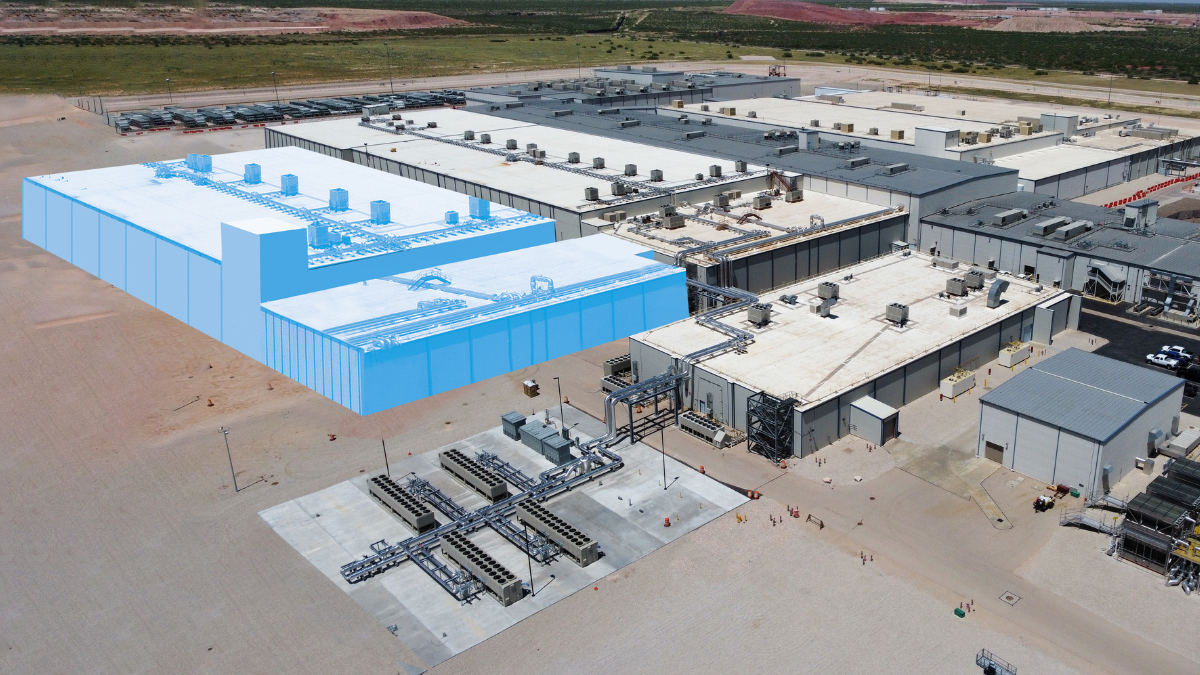
What happened
- Urenco plans to expand uranium enrichment capacity at its US facility in New Mexico by nearly 50 percent, adding 2.1 million separative work units (SWU), installing 24 cascades of gas centrifuges at the National Enrichment Facility in Eunice.
- The first cascades are scheduled to enter production in 2032, with the remaining units installed through 2036.
- The additional capacity is planned as US nuclear fuel demand is expected to rise and the country prepares to end imports of Russian-enriched uranium; a complete US ban on those imports is scheduled to take effect in January 2028.
- The National Enrichment Facility began operating in 2010 and currently has an annual capacity of 4.3 million SWU.
- Urenco is already adding 700,000 SWU of annual capacity through a separate project scheduled for completion in 2027, and the newly announced 2.1 million SWU expansion will follow that increase.
Compiled by The Product DeskSomething wrong?How this is made
Why it matters
Urenco has committed to installing 24 new gas centrifuge cascades at its National Enrichment Facility in Eunice, New Mexico, adding 2.1 million separative work units (SWU) of annual capacity [1]. The first cascades are scheduled to enter production in 2032, with the remaining units installed through 2036 [2], which places the first new output roughly four years after the complete US ban on imports of Russian-enriched uranium takes effect in January 2028 [3][1].
The plant currently runs at 4.3 million SWU a year and has done so since it began operating in 2010 [4]. So the new capacity is a 48.8 percent increase on the existing site [2], which is what "nearly 50 percent" means in practice [1]. Urenco is separately adding 700,000 SWU on a project due to complete in 2027 [5], taking the site to about 5.0 million SWU before the new cascades start [3] and to roughly 7.1 million once they are all in [4]. Spread across 24 cascades, the expansion averages about 87,500 SWU each [5], which gives some sense of how granular the installation cadence between 2032 and 2036 will be.
Scale matters here because the current 4.3 million SWU covers approximately one-third of the enrichment requirements of US commercial nuclear plants, with overseas facilities supplying the rest [6]. That implies total US commercial demand of roughly 12.9 million SWU [6], against which the fully built site would supply about 55 percent [7] if demand stood still. It will not: Urenco says the expansion is planned as US nuclear fuel demand is expected to rise [3].
The unit of account is worth dwelling on. Natural uranium contains about 0.7 percent uranium-235, and most operating reactors need low-enriched fuel at 3.5 to 5 percent [7]. Separative work is the physical labour of moving between those two numbers, and it is bought years ahead under long-term contracts. Chief executive Boris Schucht said the plant was built at customers' request and backed by long-term contracts, describing it as a commercial facility developed without public funding [8], and said total investment at the site will now rise to substantially more than $8 billion [9]. He also framed the expansion as supporting the Department of Energy's goals to accelerate new domestic capacity and strengthen the nuclear fuel supply chain [10], and thanked Energy Secretary Chris Wright and the administration [11].
The employment numbers are a reminder that this is capital, not labour. Construction supports 300 to 600 jobs at peak and the finished capacity is expected to create 70 long-term positions [12], against more than 500 staff and long-term contractors already at Eunice [13]. An Oxford Economics report published in late 2025 put Urenco's contribution to the US economy at more than $360 million during 2024-2025 [14].
What to watch: whether the 700,000 SWU tranche actually lands in 2027 [5], because that is the only new domestic supply arriving before the January 2028 import ban [3][2]; how the 2028 to 2032 gap gets covered, given that two-thirds of US requirements are currently met from overseas [6]; and whether the cascade-by-cascade schedule through 2036 holds [2]. Anyone sizing a reactor programme against fuel availability should be reading the enrichment calendar, not the construction one.