Leadership1 publisher3 min readPublished Updated
Unit1 raised nearly £15m to tour avatars of musicians who no longer perform
Barney Wragg's Unit1 has money from Balderton Capital and U2's former manager to build hyper-realistic digital performers. Its first test rebuilt a KT Tunstall television appearance from twenty years ago.
The Board Room · Leadership desk
What happened
- Unit1, a UK music tech startup, has secured a near-15m-pound investment from backers including Balderton Capital through its partner Daniel Waterhouse, an early investor in Spotify.
- The company was set up last year by Barney Wragg, who ran Andrew Lloyd Webber's entertainment group for five years from late 2011.
- Its plan is concerts fronted by hyper-realistic digital avatars of living artists who have stopped touring, plus recreations of existing performances by musicians who have died.
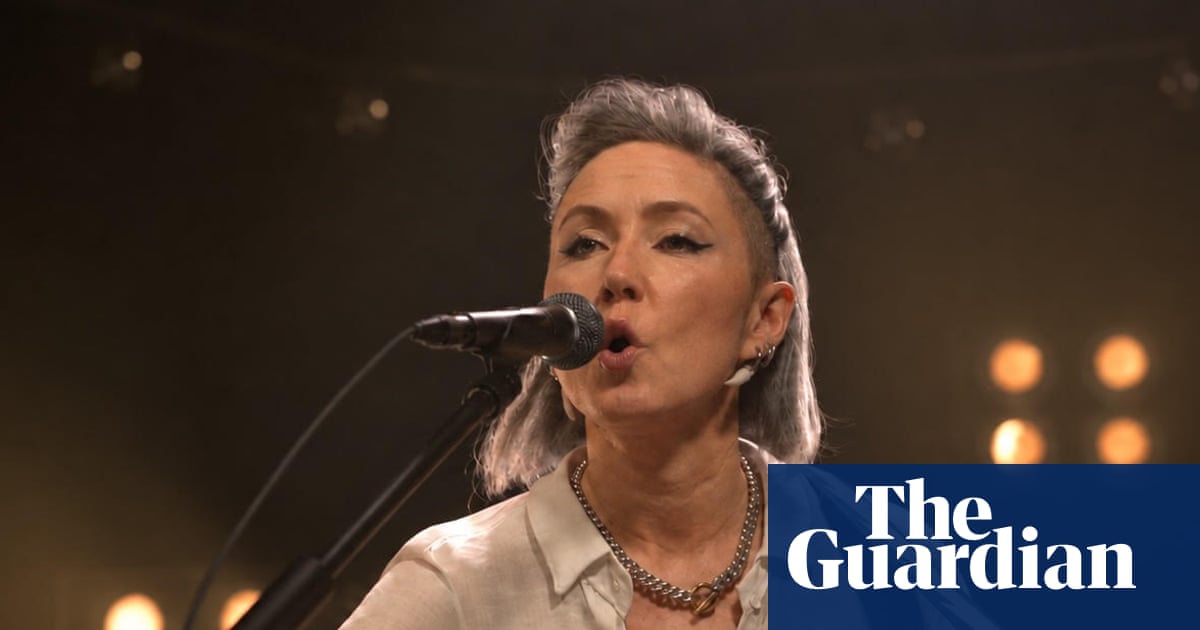
- In the pilot, KT Tunstall was filmed in a London studio by motion capture cameras recreating a two-decade-old Later... with Jools Holland performance, with the avatar updated to her present features.
Compiled by The Board RoomSomething wrong?How this is made
Why it matters
- decision Managers and estates that have never written a motion capture likeness clause now face a counterparty whose funding is earmarked for those deals, so whoever drafts first sets the template both sides argue from.
- constraint Wragg's stated screening test, well-documented concerts with family members involved, makes archive material and estate consent the scarce inputs.
- exposure The estate that signs takes the public reaction: the Osbourne avatar plan drew accusations of poor taste before anything was staged.
- capability Removing the purpose-built building puts a digital show inside an ordinary venue's calendar, so a promoter can book one without underwriting a room for it.
The pitch to rights holders is cost, and the comparison is explicit. Abba Voyage opened in 2022 in a purpose-built venue in east London, and the Guardian describes it as lucrative [12]. Unit1 wants to sell that experience without the building: a high-definition LED screen with extra lights, sound and props, and real musicians playing live instruments on stage beside the digital performers [10]. The report does not include a production cost for either format [20].
The Tunstall pilot is the easiest version of the problem. She is alive, she had worked with Wragg during a stint at EMI, and she did the capture herself [8]. A dead artist's show is assembled: archive footage, plus actors and musicians hired because they look like the star or play like the star, with the footage blended together [7]. So part of the recreation is new work by the hired stand-ins [7].
Wragg described the intended effect in terms of the room. "For the audience member in the room it is seamless between the digital and the physical room, immersing them," he told the Guardian [14]. He also called it "a teleportation of an audience member to a time and place" [15].
Fan criticism has landed on the resurrection itself. A plan this year for a lifesize AI-powered avatar of the late Ozzy Osbourne was called disrespectful and in poor taste by some fans [16]. Wragg's answer is the choice of material and who is at the table: in most cases, he said, the startup is "dealing with family members of estates to create something which is well documented and understood - extremely well-known concerts or live recordings. We are mindful that you do not want to be distasteful." [17]
Two of the names in the round sit on the rights side of the music business. Balderton has backed the music rights firm Kobalt as well as the fintech Revolut [5], and the round included Mercuri and Paul McGuinness, who managed U2 from the late 1970s until 2013 [4].
The board-deck version is short: Abba Voyage proved demand, dropping the venue cuts the cost, and one show could in theory tour several countries at the same time [11]. The pitch says nothing about the pace. The Tupac Shakur hologram at Coachella was 2012, and Abba Voyage opened ten years after it [13][19]. Wragg was tight-lipped on which classic concerts Unit1 could recreate, though he has said he wished he could have seen Queen at Live Aid, the Beatles at the Cavern Club and Jimi Hendrix at Woodstock [18].
So far the pilot proves nothing about estates: one living client agreed to be filmed, and the dead-artist shows are still a plan [6]. The question in front of managers, labels and venue operators is whether their standard agreements say anything about motion capture likeness and posthumous performance before a funded counterparty proposes its own wording. Unit1 says the fresh money goes into research and development and into securing intellectual property and licensing deals with artists and their estates [9].
What to watch
- The first concert Unit1 names, and which estate or archive owner signs for it.
- Whether any licence discloses how the hired look-alike and play-alike performers are credited and paid.
- Whether a promoter commits to running one Unit1 show in more than one country at the same time.