Invest1 publisher3 min readPublished
Trump concedes state-AG enforcement on a crypto ban that leaves his holdings intact
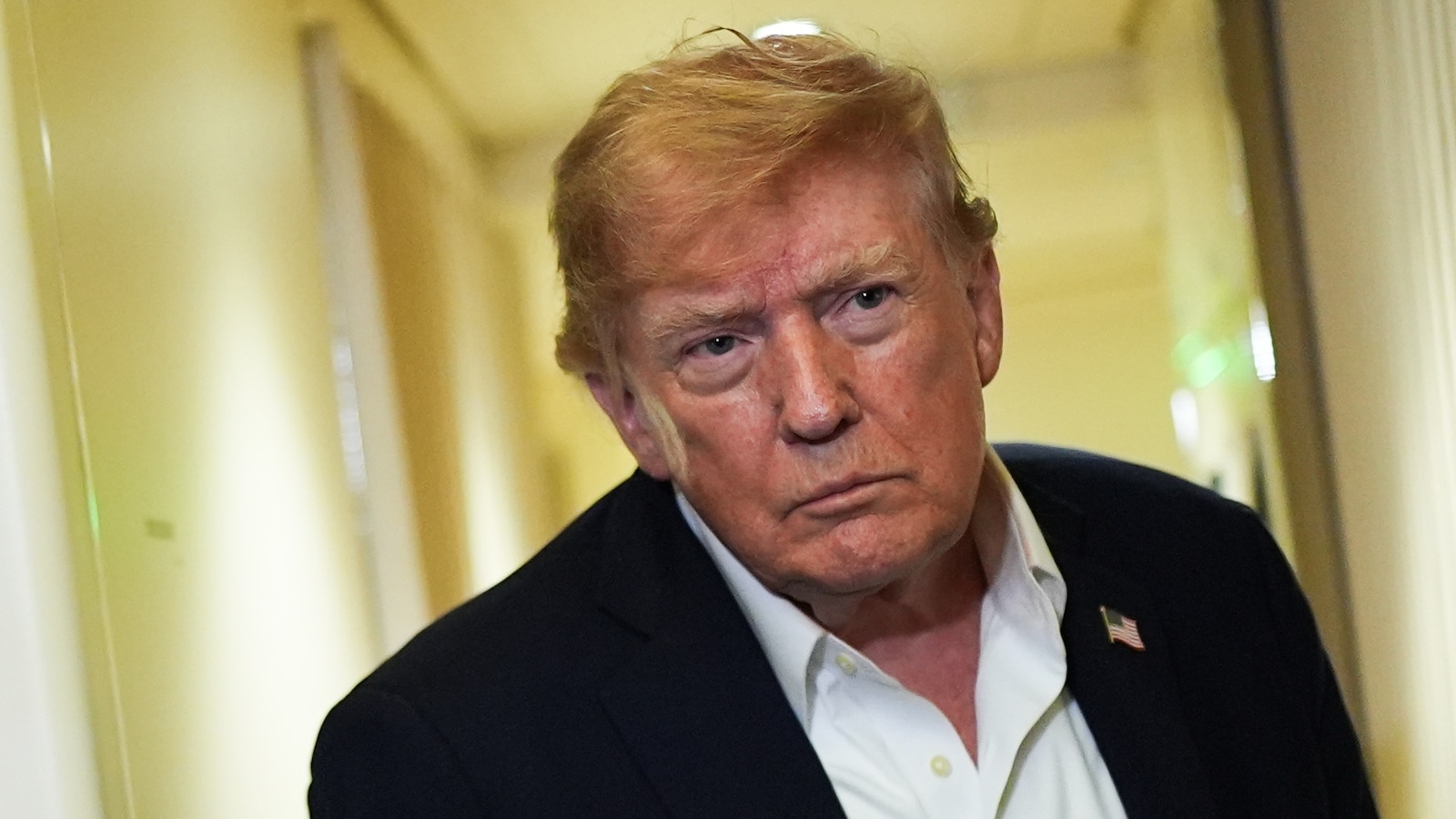
Trump has accepted ethics language letting state attorneys general enforce the Clarity Act's ban on federal officials issuing digital assets for compensation. The ban expires in January 2029 and exempts holdings already owned.
The Investor · Invest desk
What happened
- Trump has agreed to ethics language in the Digital Asset Market Clarity Act that would let state attorneys general sue over violations of the bill's provisions governing federal officials and digital assets.
- Trump's financial disclosures showed income of between $1.4 billion and $2.2 billion linked to crypto ventures, among them the TRUMP memecoin and the DeFi project World Liberty Financial.
- The agreed ban stops covered officials, the president included, from issuing or sponsoring digital assets for compensation while in office, expires in January 2029, and requires no divestment.
- The final draft, released on September 14, 2026, carries more than 126 changes requested by Senate Democrats, and the bill still needs 60 votes on the Senate floor.
Compiled by The InvestorSomething wrong?How this is made
Why it matters
- exposure Enforcement stops running through the president's own appointees: a state attorney general picks the timing and the forum, and can file while the official is still in office.
- constraint The ban bites on new issuance for pay, so returns on positions already held stay outside the provision, and the enforcement question becomes what an official does next.
- decision Senate Democrats now have to decide whether 126-plus amendments plus state-AG standing is enough to supply votes toward 60, or whether they hold out for a divestment requirement.
- precedent The January 2029 expiry puts the onus on a future Congress to renew, so inaction alone restores federal officials' ability to issue digital assets for compensation.
The prohibition covers issuing or sponsoring digital assets for compensation while in office [7]. It does not require divestment from holdings acquired before [9]. Read together, those two lines leave the TRUMP memecoin and the family's position in World Liberty Financial where they are, and put only new issuance for pay out of bounds [5][7][9].
The disclosure that forced the negotiation put crypto-linked income between $1.4 billion and $2.2 billion [5]. The range is $800 million wide, with a midpoint near $1.8 billion [1][2]. Talks on the ethics text intensified after the July 2026 filing [11], and the draft carrying the state-AG language came out on September 14, roughly two months later, with more than 126 Democrat-requested changes in it [6][4].
The concession changes who can bring the case. Earlier drafts left enforcement with the Justice Department alone [3], and Senate Democrats objected that a sitting president's own appointees would be the ones policing his crypto-related activities [4]. Cryptobriefing.com, which reported the agreement, describes the provision as subjecting Trump himself to enforcement action from state-level prosecutors as well as the DOJ [15], and calls the state-AG mechanism among the most consequential of the amendments [14].
From the September 14 draft to the January 2029 expiry is about 28 months of coverage [3]. What penalties or remedies a state attorney general could seek is not in the report [16]. Cryptobriefing.com writes that if the provision expires without renewal, the guardrails disappear entirely, potentially reopening the door for officials to re-enter digital asset issuance just as the next presidential term gets underway [12].
What the industry is buying with this sits elsewhere in the same bill: an explicit line dividing responsibility between the CFTC and the SEC, replacing an arrangement in which classification often depended on which agency filed a complaint first [13]. The publication describes the concession as removing one of the final hurdles to the most comprehensive US crypto framework to date [2]. The floor test is still ahead, and it needs 60 votes [10].
If the remedies turn out to be narrow, standing changes disclosure behaviour and little else. If a state attorney general files in 2027 over conduct in 2026, the January 2029 sunset does not retire the case, because the conduct predates it [8]. And if the bill misses 60, none of the language operates at all [10].
On the record as it stands, Trump gave up the choice of prosecutor and kept the position: no divestment, and a ban that reaches only issuance for compensation during office [7][9]. I would abandon that view on two findings. One, that the statute gives state attorneys general a remedy reaching compensation already received. Two, that Senate Democrats treat the 126-plus amendments as a floor and hold the 60th vote for a divestment requirement [6][10].
What to watch
- Whether the ethics text survives the Senate floor intact once the 60-vote count is actually taken.
- What remedies the enacted statute gives state attorneys general.
- Any move to extend the January 2029 sunset before the next presidential term begins.