Product3 publishers3 min readPublished
Tokyo court extends publicity rights to the voice in Kenjiro Tsuda's AI clone suit against TikTok
Tokyo judge Aya Takahashi ruled that using a performer's voice without permission can infringe publicity rights, in Japan's first AI voice-clone case. Teams shipping synthetic narration there now have to judge whether a voice is being sold on who it sounds like.
The Product Desk · Product desk
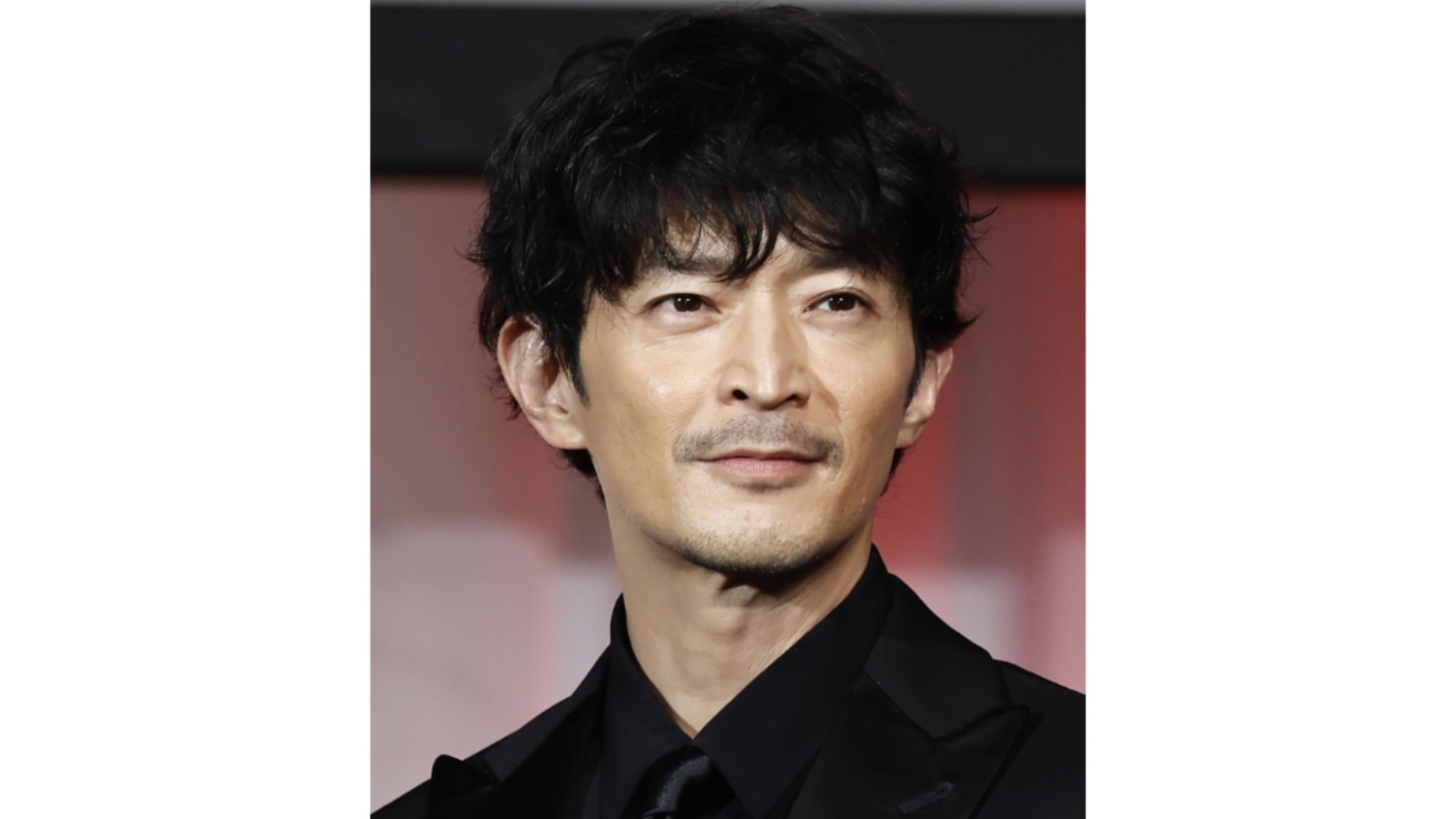
What happened
- Kenjiro Tsuda, 55, who voices Kento Nanami in Jujutsu Kaisen, sued TikTok over videos he says used an AI clone of his voice, and the court sided with him in part.
- The anonymous account behind the videos posted 188 of them between July 2024 and September 2025, setting images to AI narration about urban legends, the occult and conspiracy theories.
- At its peak the account had more than 200,000 followers, and Tsuda's complaint argued it would have earned more than 500,000 yen a month.
- The court dismissed Tsuda's request to order TikTok to remove the videos because the anonymous user had already taken them down.
Compiled by The Product DeskSomething wrong?How this is made
Why it matters
- exposure Platforms that host user-made clones can end up as the named defendant while the uploader stays anonymous, as TikTok did in Tsuda's case.
- constraint Court relief arrives after the audience is built, so the protection that reaches performers in time is a consent check inside the voice tool before anything publishes.
- precedent Performers in the 2024 No More campaign against unauthorized AI copies now have a court finding to cite when they ask voice vendors and platforms for consent terms.
What the user actually built was a persona. The narration had a delivery Tsuda described as unmistakably deep and "lustrous" [15], and the profile picture resembled a Jujutsu Kaisen character he voices [5]. The account kept it up for about 15 months [1], roughly a dozen videos a month [2]. His lawyers said it gained traction only because a popular actor's voice was narrating [10].
TikTok described the same videos the way platforms like to picture their users' choices. It argued in court that the narration was a "generic male voice" and that any similarity to Tsuda was subjective, according to court records AFP reviewed [8].
The court's test looks at how a voice is used. AFP believes this is Japan's first lawsuit defending a person's vocal identity against AI copies [2]. In it, the Tokyo district court found that publicity rights cover a voice used purely for its commercial appeal [6]. Takahashi compared a voice to a portrait, as a symbol of personality [6]. "The unauthorised use of a performer's voice ... can be considered an infringement on publicity rights," Takahashi said [1].
The ruling matters most to the product managers who run voice libraries and clone features, and to the trust teams at platforms that host what users make with them. Making a clone takes very little audio. Google's latest Gemini text-to-speech models can clone a voice from 30 seconds of audio [13].
Tsuda got the principle and not much else. His lawyer, Takashi Hirano, told reporters the ruling "ended up making both sides look victorious" [11]. The reports do not say whether the court awarded damages. The judge's "can be considered" wording [1] gives later courts room to narrow the finding, and TikTok said it would study the judgment before deciding its next steps [12].
If I were shipping synthetic narration in Japan, I'd require consent and a license for any voice a listener could put a name to whenever the output makes money. That goes further than one district court's wording [6]. It costs slower launches and license fees. The alternative is defending a "generic" label after the videos are up, which is where TikTok ended up [8].
Two axes sort a voice catalog. One is whether an ordinary listener could name the person. The other is whether the output earns money from that recognition. Voices nobody could name ship in either case, with a record of how each was built. Nameable voices in unpaid, personal use fall outside the commercial-appeal test as AFP reported it [6], and on this evidence that corner carries less risk. Put a nameable voice in paid output and it needs consent and a license before launch. I'd count the packaging toward recognition. A character avatar beside a sound-alike narrator puts a voice in the named column, and this account used exactly that pairing [5].
What to watch
- Whether TikTok appeals once it has studied the judgment, and whether a higher court keeps the 'purely for its commercial appeal' test.
- Whether the written judgment explains how the court weighed resemblance, the point TikTok contested.
- Whether voice-synthesis vendors selling in Japan add consent checks for performer voices in response.