Product3 publishers3 min readPublished Updated
Altman concedes habit is the brake on AI, which breaks roadmaps built on users switching
The OpenAI chief says people keep using the same tools and buying from the same firms. That is a demand problem, and model quality is not a lever on it.
The Product Desk · Product desk
What happened
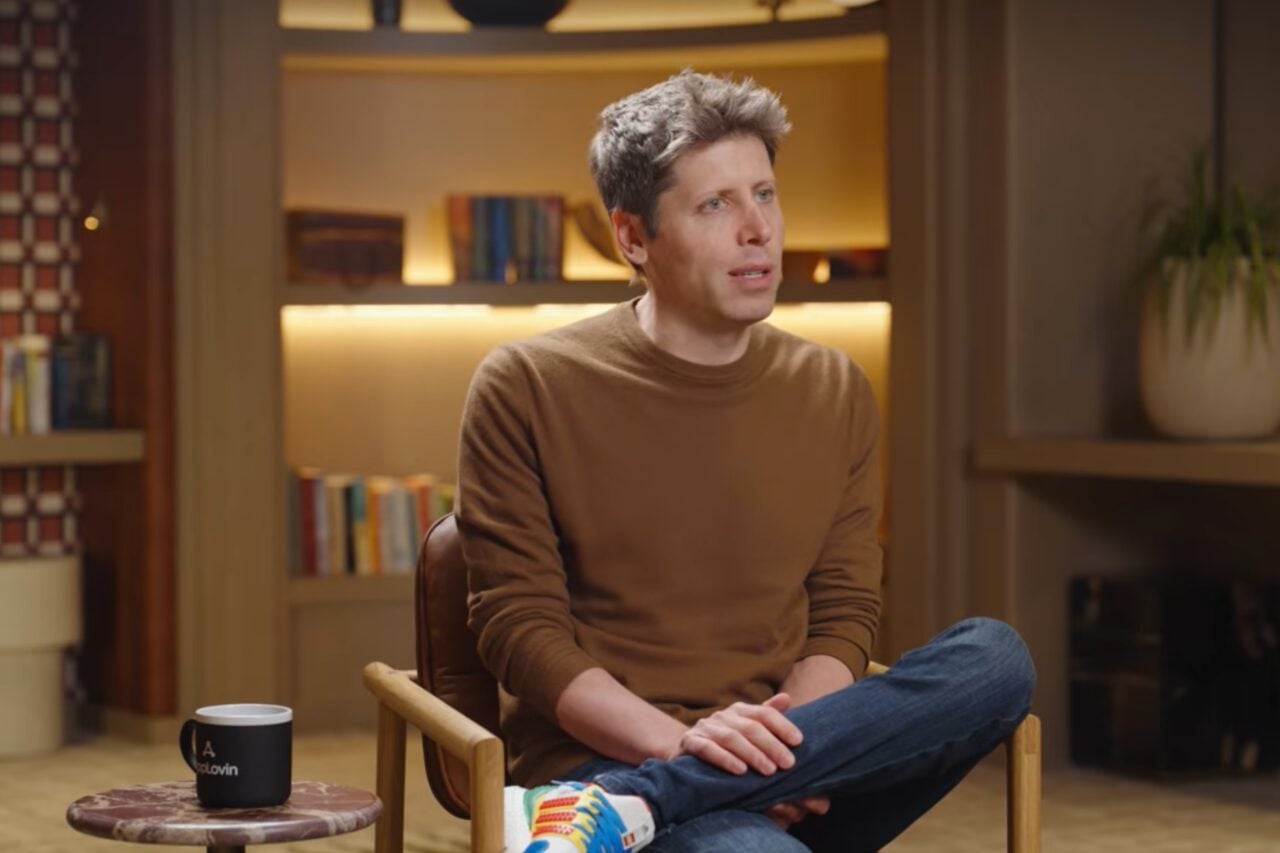
- Altman told podcaster David Senra, in a video posted Sunday, that he was wrong about a few things, chief among them how much inertia the economy has.
- He said changing people's behaviour is much harder than the tech nerds realise.
- His comparison was to people who kept going to Blockbuster in the early years after Netflix was founded as a DVD mailing service.
- Gizmodo separately reports OpenAI is slowing a model called Astra after frontier models hacked third-party organisations in internal tests.
Compiled by The Product DeskSomething wrong?How this is made
Why it matters
- constraint A roadmap whose growth depends on users leaving the interface they already open now rests on the one variable the vendor says capability and marketing do not move.
- decision By Altman's own account the deficit is explanation and mitigation, which forces budget toward onboarding, defaults and placement rather than another capability jump.
- cost Customers already paying steep prices are being told the behaviour change they were sold is further out, so the bill lands well before the switch does.
- contradiction If slowness was always the plan, the flat adoption line is a feature; if it is habit, it is a missed forecast, and the two readings imply opposite spending.
Inertia was Altman's word, and it does narrower work than it first appears [1]. It is not a statement about model quality. It says the surface a person already opens is more durable than the gap between that surface and a better one, and that buyers keep buying from the vendors they already buy from [2]. Read as a product statement rather than a mood, that puts the adoption date of anything AI-native under the control of switching cost, and no lab has a dial for switching cost.
Most AI roadmaps carry an unstated clause: at some capability threshold, users relocate. Gizmodo's summary of Altman's position takes the threshold out of the argument, describing his view as one where the vast majority of people are too ingrained in current habits to move quickly to AI-native platforms such as OpenAI's Codex, no matter how impressive the capabilities look on paper or how much is spent on marketing [6]. If both halves of that hold, then the two levers a frontier lab pulls hardest are pointed at a variable they do not touch.
The concession arrives pre-softened. Altman called the inertia a positive in many ways, said it would make the transition smoother and slower, and said he was grateful for it [3]. A vendor grateful for slow uptake is describing a demand shortfall in the vocabulary of an orderly rollout. It also costs him little to say: Gizmodo notes that his blog post last summer already argued superintelligence would emerge slowly enough for people to acclimate, which the site reads as a sales pitch wearing other clothes [8][12]. The gradualism story and the habit story predict the same slow revenue line, but only the habit story tells a team what to build. One says wait. The other says the incumbent interface is the competitor.
What Altman named as the field's failure points the same way. He said the industry has not done a good job explaining what the benefits are or how the downsides can be mitigated [7]. That is a description of a distribution and trust problem, and none of it is fixed by a better model. It is fixed, if at all, by defaults, by placement inside the software someone already has open, and by an explanation a non-enthusiast will sit through. Those line items usually lose budget fights to capability work, on the theory that capability eventually makes them unnecessary.
Gizmodo frames the remarks as a retreat under pressure, set against public backlash over data centres and the cost to customers [9]. Whatever the motive, the operational content survives the framing. If your plan assumes users abandon an incumbent tool once your version is clearly better, the CEO of the company with the most to gain from that assumption has just said the assumption is the part that does not work on schedule [3][6].
What to watch
- Whether OpenAI's next consumer releases arrive as new destinations or as features inside software people already have open.