Product1 publisher2 min readPublished
T-Mobile charges $5 a month to run one phone number on two iPhones
Apple's iOS 27 Handoff feature puts one phone number on two iPhones. It works only where the carrier has implemented it, and so far T-Mobile in the US and Telekom in Germany are the only two that have said yes.
The Product Desk · Product desk
What happened
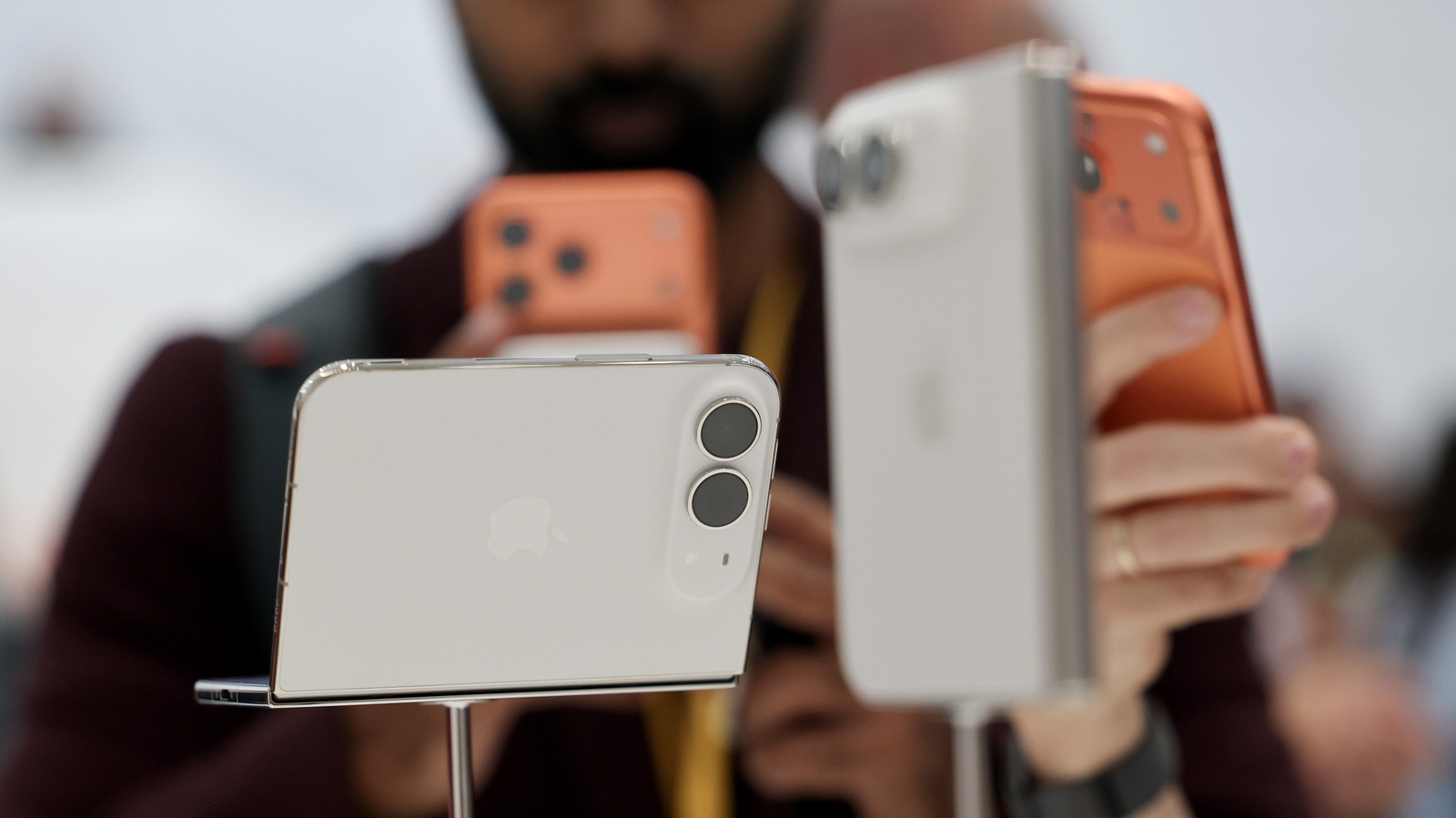
- Apple gave details of iPhone Handoff, the iOS 27 feature that lets one phone number make and take calls and messages on two iPhones, at its Surprise and Shine event on September 9 after a brief WWDC mention.
- Support is decided carrier by carrier, and T-Mobile is charging an extra $5 a month on top of the plan for it.
- Both iPhones must run iOS 27 or later on the same Wi-Fi network and the same Apple Account, and one is designated the primary, holding the main eSIM and managing carrier settings.
- The feature does not move a paired Apple Watch between the two phones, and some Wallet items, including IDs and passes, will not work on both.
Compiled by The Product DeskSomething wrong?How this is made
Why it matters
- cost $60 a year per shared number is a recurring charge on the bill, and it lands on whoever owns the T-Mobile account rather than whoever carries the second phone.
- constraint Every future handset swap now has an eSIM transfer sitting in front of it before the shared number works on the new phone.
- decision Anyone setting this up has to nominate a primary phone, and that choice decides which device carries the main eSIM and the carrier settings from then on.
- precedent Because the gate is carrier-side, the feature spreads on carrier billing timetables, and T-Mobile's monthly add-on is now the price any other carrier's version will be measured against.
The person this is built for owns two iPhones and wants one number to ring on whichever one is in hand. Engadget names a migration between an old phone and a new one, and a cheaper, less valuable phone carried on a trip in place of a $2,000 iPhone Duo [14].
None of it does anything until the carrier turns it on [4]. Engadget's framing is that you stop running a separate carrier account for the second phone [12]. T-Mobile charges $5 a month for Handoff, which is $60 a year [6][18]. Whether that saves money depends on what the second account costs. Engadget does not give that figure [19].
Setup happens on the phone, under Settings then Cellular, where you choose "Use Number on This iPhone and Another" and assign the main device [16]. Apple says that removing Handoff completely means contacting your carrier [11]. So the person who supports these phones for other people can switch the feature on from the handset and has to phone the carrier to switch it off. Once it is running, a small indicator appears in the Dynamic Island just under the Wi-Fi icon [17].
Calls, messages, and payment cards added on one device all carry across [3]. The rest of the split follows the eSIM: the primary phone holds the main one and manages carrier settings, and using each phone's own eSIM requires both to come from carriers that support the feature [8].
Corporate mobility policy sits outside all of this. Engadget's explainer never gets into employer policy or corporate accounts [19]; the closest it comes is naming professionals who use different devices for work and personal life as a possible audience [15].
What settles availability first is the carrier attached to the number, and with the confirmed list at two, most people stop there [5]. Then there is whose account absorbs the $5, because the payer is also the party who has to call when the user wants the feature gone [6][11]. Engadget calls iPhone Handoff a niche feature [13].
What to watch
- Whether a second US carrier, or any carrier outside T-Mobile and Telekom, confirms support, and at what monthly price.
- Whether Apple or the carriers add a device-side off switch so setup and removal happen in the same place.
- Whether Wallet IDs and passes, or paired Apple Watch switching, are added in a later iOS 27 release.