Invest1 publisher3 min readPublished
Howard Marks backs Warsh's less activist Fed approach
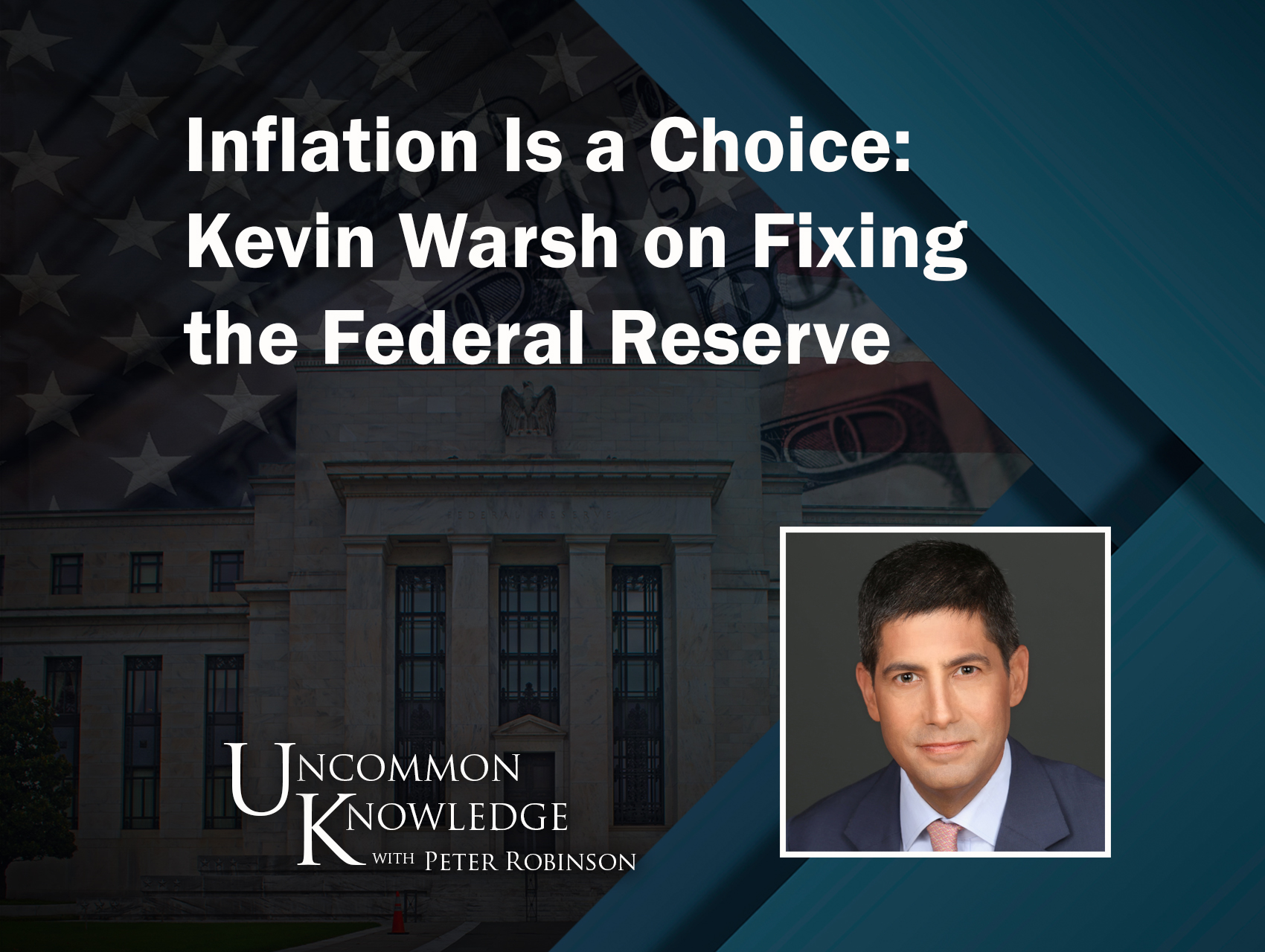
Oaktree's co-chairman has wanted a non-activist Fed for years, and the Fed he is endorsing has been open four months, with five task forces, one Jackson Hole speech and a single unanimous hike behind it.
The Investor · Invest desk
What happened
- Kevin Warsh was confirmed as Fed Chair by the Senate on May 13, 2026, in a 54-45 vote, and took office on May 22.
- He has launched five task forces on Fed operations, with a focus on reducing the central bank's reliance on detailed guidance about where rates are headed.
- In September 2026 the Fed raised the funds rate by 25 basis points to a 3.75-4% target range on a unanimous 12-0 vote, its first increase since 2023.
- Oaktree co-chairman Howard Marks has voiced a preference for the less interventionist Fed taking shape under Warsh, an argument he was making at Pepperdine in March 2026.
Compiled by The InvestorSomething wrong?How this is made
Why it matters
- constraint Positioning now has to be built off data releases and the committee's revealed reaction function, and cryptobriefing.com argues the loss of pre-announced moves means less predictability and more volatility.
- contradiction A 12-0 vote with a published condition for easing communicates a narrow reaction function, so the claim that markets have lost the Fed's guidance is weaker than the framing suggests.
- precedent Having hiked against political pressure for looser policy, the committee has set the expectation that the next cut needs inflation data behind it, and a cut without them would be read as a reversal.
Twenty-five basis points to a target range of 3.75-4% puts the range going in at 3.50-3.75% [5][13]. The whole record behind Howard Marks's endorsement fits inside the four months between Warsh's first day and that September meeting [2][5][15].
Guidance decides what there is to forecast. With a published path, a desk prices the announcement; without one, it prices the data and infers the committee's reaction function from decisions already taken. Cryptobriefing writes that markets had grown accustomed to a Fed that essentially pre-announced its moves, and that less guidance means less predictability and therefore more volatility [11]. The site does not cite a volatility measure.
A unanimous first increase since 2023 is itself information [5]. Twelve votes and no dissent says the dispersion inside the committee is narrow. That is most of what a dot path used to tell a forecaster. Warsh's condition for easing, set out at Jackson Hole on August 28, is genuine confidence that inflation is moving toward target, not hopeful projections [4]. A condition is still something a desk can price. Cryptobriefing treats the hike, delivered against political pressure for looser policy, as evidence that this Fed intends to be data-driven [12].
Marks has argued for years that the Fed should hold to its dual mandate and act only on observable signs of genuine distress [8]. Activism, on his account, built a moral hazard problem: markets that expect a cushion under every fall take bigger risks [9]. The publisher reports the endorsement in summary and does not quote him [17]. Oaktree's expertise is distressed debt [10]. Cryptobriefing notes that someone who buys assets from distressed sellers is naturally sceptical of policies designed to stop distress from happening [10]. A Fed that waits for observable distress lets more sellers arrive at that point.
The first reading: September was level-setting on inflation, and guidance comes back the first time credit spreads gap wider. The second: the communications change is real but narrower than advertised, because unanimity plus a published condition for easing carries most of the signal a path carried [5][4]. The third: the change sticks, and the cost of misreading an inflation print moves from the Fed's reaction function to the buy side's P&L.
I would take the second. A 54-45 confirmation is nine votes of margin out of ninety-nine cast [1][14]. That margin is thin political cover for holding a hawkish line into a weakening labour market. So far the task forces have produced process, and no published framework [3]. The thesis fails if the committee pre-signals a cut at the first sign of market stress while inflation data still sit short of Warsh's stated condition. That would make the guidance retreat a matter of style. It also fails in the other direction if a single 12-0 vote turns out to be the last unanimous one.
What to watch
- Whether the first easing under Warsh arrives before inflation data meet the condition he set at Jackson Hole.
- Whether any of the five task forces publishes an actual communications framework, or the guidance retreat stays a matter of practice.
- Whether the next decision draws a dissent. A dissent would put a number on the committee's internal dispersion.