Invest1 publisher3 min readPublished
The litigation over whether election wagers are illegal gambling will not conclude before votes are counted, which leaves the platforms booking their largest volume inside about 25 states whose statutes ban it.
The Investor · Invest desk

Compiled by The InvestorSomething wrong?How this is made
The deferral is the trade. Litigation that will not resolve before votes are counted gives Kalshi and Polymarket an uninterrupted run at the highest-volume event on their calendar, and it gives them that run inside the roughly 25 states that already have a statute saying an election wager is unlawful [4][5][1]. Price and value separate here: the price of this legal risk in September is close to zero, because nothing pending can stop the trading, while the value of it is whatever a court decides, later, to do about contracts that have already cleared [3].
Kalshi's substantive defence is calibration. It says events its market puts at 60 percent happen nearly 60 percent of the time [11], which is a claim about the price being honest rather than about the venue being licensed. Take the arithmetic at face value: pay 60 cents for a contract that resolves your way just under 60 percent of the time and your gross expectation is roughly the 60 cents you paid, which is what a well-priced market looks like and also means the average election trader is not there for an edge [2][2]. Fortune's account carries no dollar volume and no fee schedule, only the observation that billions could be traded on questions like House and Senate control [6][3], so the revenue actually exposed in the state cases is not a number a reader can compute from this material.
My read, and it is about market structure rather than law: the unlicensed-casino theory is a live risk that the calendar has already pushed past this cycle, and the platforms' strongest asset in the post-election fight is the size and geographic spread of what they will have traded by then, because a remedy that has to reach a national book of settled contracts is a harder administrative act than an injunction granted in September would have been. The counter-thesis is simple and may well win: each trade taken in one of those 25 ban states is one more count, and volume a court later calls illegal is a liability that grows with success [4][1].
What the platforms are not doing while this runs is consolidating the question into one forum. The fight is dispersed across state gambling codes written for casinos and sportsbooks [3], and their answer is a securities-market analogy that a Columbia law professor, Joshua Mitts, is willing to grant at least in part when he says the entire stock market is at some level affected by election outcomes [7][8].
My read would break on a state court ruling that lands before election day [5], on a state moving criminally rather than civilly under an election-betting statute [4], or on a calibration failure in a marquee race like the one that already happened in the Wisconsin governor primary, where the market heavily favoured a loser and the polls missed too [12]. On the last one, a 60 percent bucket that clears at 59 percent is defensible statistics and no help whatsoever to a county office fielding calls during a count [11][15].
Ranked by verification strength, evidence, and original report placement.
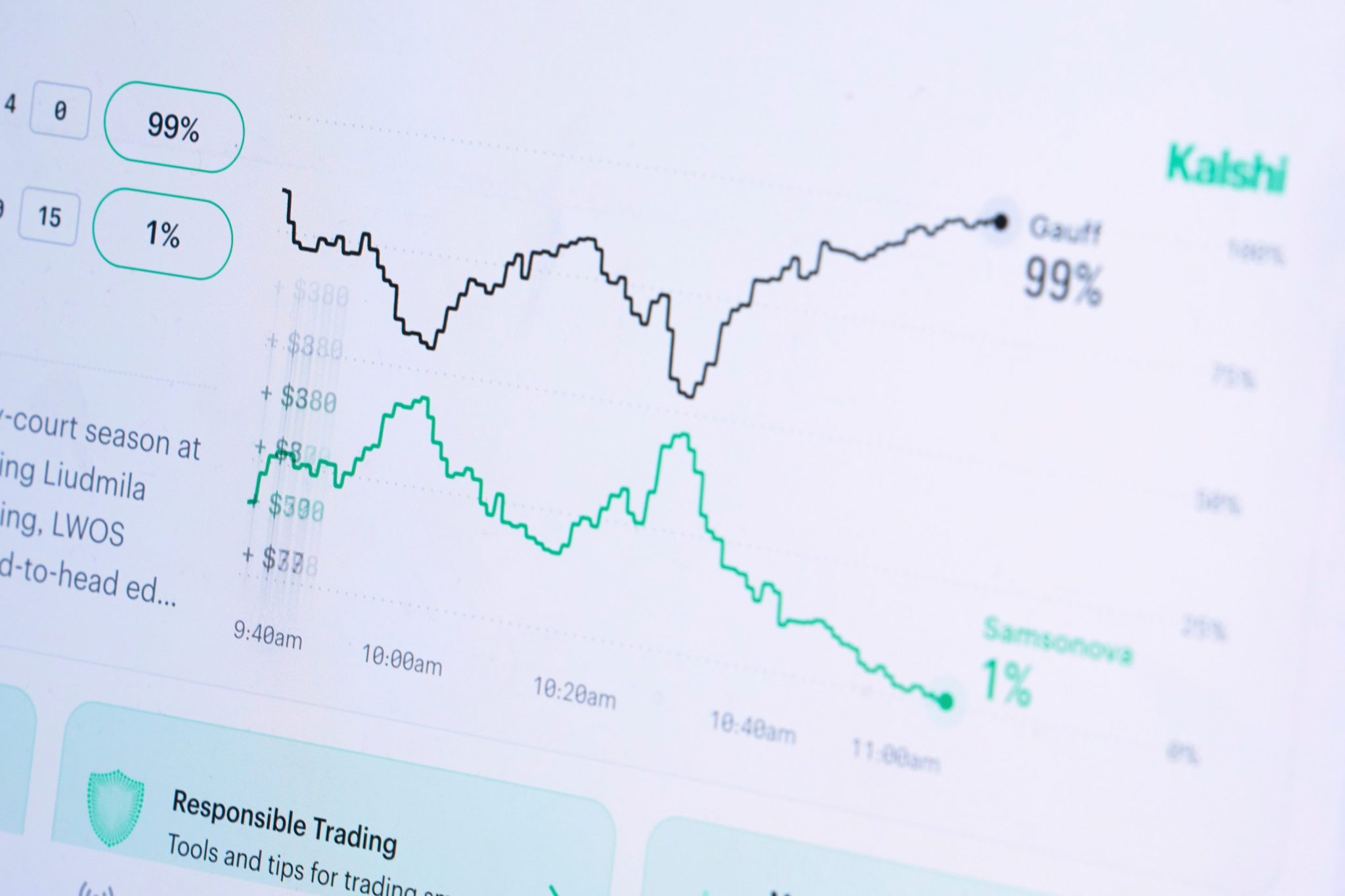
Polymarket, Kalshi and other prediction markets let participants buy and sell contracts tied to the probable outcome of an event; contracts are typically priced between 1 and 99 cents and cover races for mayor, governor and U.S. Senate.
Courts are crammed with litigation over whether states can regulate or ban prediction markets under state gambling laws that cover casinos and sports betting.
Half the states have statutes that broadly ban betting on elections, according to information from the National Conference of State Legislatures, laws motivated by a desire to ensure people vote based on who they think is the best candidate rather than a financial stake in the outcome.
Courts are unlikely to decide the litigation before the election, all but ensuring that trading will play out on platforms like Kalshi and Polymarket at levels never seen before in nearly every state.
Kalshi and Polymarket officials contend the activity is neither gambling nor a danger to elections or democracy, saying it is barely different from trading stocks, bonds or commodities ahead of an election to hedge how a winner's policies might affect investments or business.
Joshua Mitts, a Columbia Law School professor who researches corporate and securities law, said: "One can make the argument that the entire stock market, at some level, is affected by elections and outcomes."
Follow any of these and your For You feed starts watching them — no settings page required.
Evidence-backed comparisons of source perspectives and observed adoption signals. Read the methodology
Which Builder, Operator, and Investor concerns the observed source mix emphasized—not a truth score.
Evidence, demonstrated adoption, hype gap, incentives, and confidence are assessed independently, each on its own current evidence. How these are measured.
Named voices, borrowed numbers
Fortune puts identifiable people behind both sides of the argument, from Joshua Mitts granting that elections move all markets to Jared DeMarinis and Ben Schiffrin on the risks, and it dates the single enforcement action it cites. The two quantities that carry the story are second-hand: the half-the-states tally is a National Conference of State Legislatures summary, and the 60% calibration is Kalshi's own research, neither shown here.
Live markets, unpublished scale
Usage shows up in specifics rather than totals: a congressional candidate traded her own race and drew a three-year suspension, market odds were quoted during the Los Angeles count and in a Wisconsin primary, and one suburban Philadelphia county moved to make election workers swear off trading. Nothing in the reporting counts traders, contracts or dollars, so the reach of these markets is asserted rather than measured.
Adjectives ahead of figures
'Skyrocketing', 'levels never seen before' and 'billions of dollars could be traded' all appear with no number behind them, and the platforms' proof of accuracy is Kalshi grading its own book. What keeps the gap modest is that Fortune prints the misses too, and lets the Wisconsin primary and the Los Angeles accusations sit next to the calibration claim.
Interested parties throughout
Kalshi and Polymarket are arguing about whether their core product is legal, which is not a disinterested posture; Better Markets exists to press the public-interest case in financial regulation; and the election officials quoted are asking for authority they do not currently have. The two Columbia law professors have no visible stake, and one of them supplies the analogy the platforms lean on.
Firm on law, guesswork on money
The legal shape of this is easy to trust: cases are pending, statutes are on the books in about half the states, and the docket will not produce a ruling before votes are counted. The commercial side is where confidence drops, because nothing here sizes what a state win would cost either platform, and no second newsroom has checked the tally or the calibration figure.
product
A Pennsylvania county now makes 2,500 election workers swear off prediction markets1 publisher
invest
Kalshi moved Connecticut's gambling suit to federal court the same day it was filed1 publisher
invest
Kalshi's letter turns the KPI binary options gap into a fight over who gets to list them1 publisher
invest
Novig sues Wisconsin, and the swap question becomes the whole addressable market1 publisher
Publishers with included, body-backed reporting in this cluster.