Security1 publisherNot yet confirmed elsewhere2 min readPublished
Bipartisan letters press appropriators for Cyber Command's $11 million mental-health request
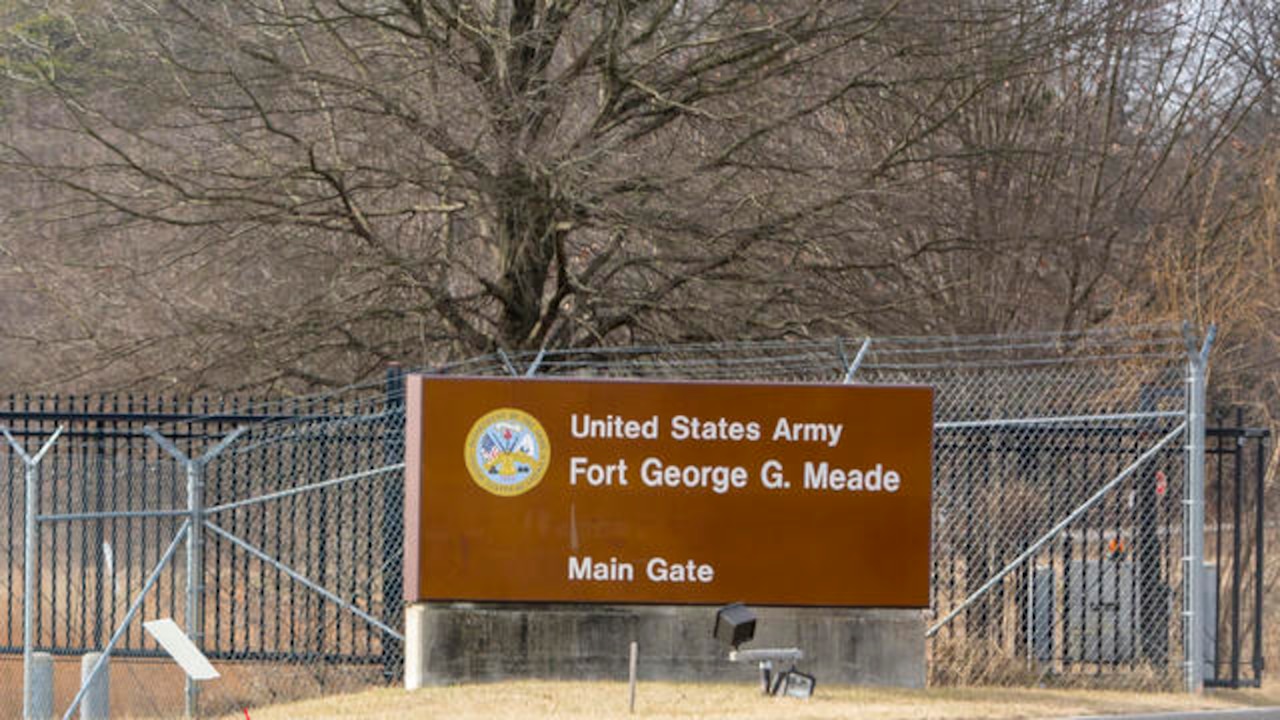
Lawmakers from both parties urged appropriators to fund Cyber Command's $11 million psychological-support request after summer suicides at Fort Meade. The command had already ranked the training No. 2 on its unfunded priority list, warning that burnout and force degradation will continue without the money.
The Watch · Security desk
What happened
- The letters came from House Armed Services cyber subcommittee members and from Maryland's federal lawmakers, and went to the leaders of both chambers' Appropriations panels.
- The request made it into the House's fiscal 2027 defense spending bill. The Senate has not acted on its own version.
- A continuing resolution keeps the government open until December 11, and another stopgap measure is likely.
- Subcommittee members wrote that many personnel are effectively "deployed in place" for two- or three-year assignments against capable adversaries.
- Both letters call the $11 million a "modest investment" compared with the command's overall budget.
Compiled by The WatchSomething wrong?How this is made
Why it matters
- constraint No appropriation is enacted, so the training waits on the Senate, and a second stopgap would stretch that wait past December 11.
- exposure By the members' account, secrecy-limited care weakens retention, so the command's ability to keep its specialists is at risk along with its operational effectiveness.
- precedent Congress is answering the deaths by funding a request the command had already filed, so support for cyber operators is being argued as readiness spending in the defense bill.
Cyber Command put the readiness case in writing before the lawmakers sent their letters [4][1]. Its priority list described the training as "cognitive, psychological, physiological, and spiritual sustainment for high-tempo cyber operations" [17]. According to The Record, the deaths this summer were at both the command and the National Security Agency. The two share a campus and resources at Fort Meade [2]. The Pentagon and Capitol Hill are concerned about the strain on military personnel and civilians while demand for intelligence and digital warfighting stays high, the publication reported [16].
The subcommittee members said they "saw firsthand that the Cyber personnel operate in a uniquely stressful environment" during a recent visit to the command [10]. The schedule they describe is an on-call rotation that runs for years [8]. They compared it with conventional deployments. Those have "clear start and end points, protected recovery periods, or unitlevel reconstitution cycles," and the members wrote that cyber personnel work without them [18].
The Maryland letter stressed how small the workforce is. The deaths "have a severe impact on the family, friends, and wider community," the Maryland lawmakers wrote [19]. "The concentration of these tragedies within a small, highly specialized workforce demands sustained attention and an institutional response proportionate to the operational strain these personnel bear," they wrote [11].
The House members asked for a permanent program. They wrote that the money would ensure the Defense Department's response is "not limited to short-term crisis intervention after a tragedy, but instead establishes accountable, enduring prevention and care" [14]. "One loss of life is one too many," they wrote [15].
What to watch
- Whether Senate appropriators include the $11 million in their draft defense bill, which the chamber has not moved.
- What Congress passes at the December 11 deadline: a second stopgap or a full-year defense bill carrying the training.