Invest1 publisher3 min readPublished
GLP-1s moved testosterone and cycles in PMOS. The fight will be over which benefit pays
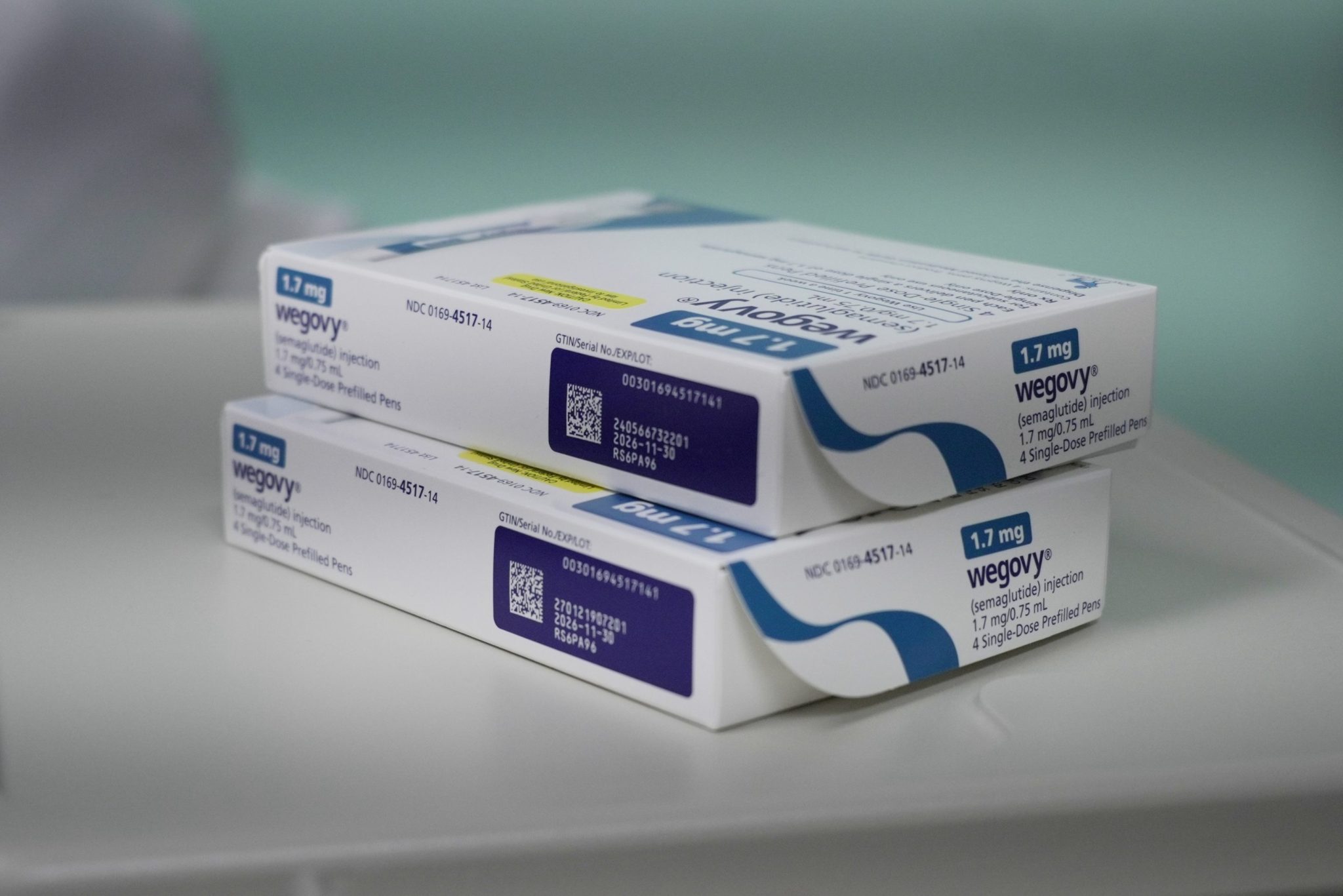
A small semaglutide trial reported endocrine gains, not just weight loss, in a condition affecting one in eight women. Fortune reports insurers are already putting up barriers.
The Investor · Invest desk
Drafted by a language model from the sources cited here and checked against its claim ledger before publication. How we use AISend a correction
What happened
- Early data from Cree's semaglutide study, published in June in the journal Fertility and Sterility, said eight of 11 participants completing the trial lost at least 10% of their body weight.
- The median weight loss among those participants was about 42 pounds.
- The median drop in testosterone was 52%.
- Six women in the study had more periods and four of them went to monthly periods.
- Polyendocrine metabolic ovarian syndrome (PMOS) is a hormonal condition affecting 1 in 8 women worldwide.
Compiled by The InvestorSomething wrong?How this is made
Why it matters
Early data from a semaglutide trial published in June in Fertility and Sterility reported that eight of the 11 women who completed it lost at least 10% of their body weight, with a median loss of about 42 pounds, a median testosterone drop of 52%, more frequent periods in six participants and monthly cycles in four of those [1][2][3][4]. That is a small dataset attached to a large population: the condition, renamed earlier this year from polycystic ovary syndrome to polyendocrine metabolic ovarian syndrome, affects one in eight women worldwide [5][6].
The mechanistic claim is the commercially interesting part. A growing body of research suggests GLP-1s may work in the disorder not only by promoting weight loss but by improving insulin resistance, hormone balance and ovulation, which are central to the disease [7]. Dr. Melanie Cree, PMOS clinic director at Children's Hospital Colorado, has led three studies of these drugs in the condition; in all three, women on GLP-1s lost more weight than control groups, and testosterone, blood sugar and insulin levels dropped [8][9]. Cree says most women with PMOS have insulin resistance regardless of body size, and that high insulin can act directly on the ovaries to raise testosterone, producing skipped periods, severe acne and beard growth [10][11]. She describes the drugs as "incredibly effective and really exciting for improving symptoms in women with this condition" [16].
The existing standard of care explains the demand. There is no known cause and no specific treatment, only symptom management: birth control pills to regulate periods, diet and exercise to hold weight down [12]. Diagnosis often takes years because symptoms overlap with other conditions, vary widely and get dismissed; the disorder runs in families, and many but not all affected women carry excess weight [13]. Charlotte Touzalin, an 18-year-old Colorado college student in Cree's study, injected semaglutide weekly for 10 months and reported that abnormal hair growth slowed, her periods normalized and she felt full after eating for the first time [14]. Her mother, Anne Schultz, 43, had irregular periods and bloating from around age 18, problems with her ovaries and numerous miscarriages, which are more common with PMOS, and was diagnosed around the same time as her daughter [15].
Now the reimbursement problem. The endpoints being reported here are endocrine, not cosmetic: testosterone, cycle frequency, insulin [3][4][9]. The population is not defined by body mass index, because insulin resistance shows up regardless of body size [10][13]. That is a different object than weight management, which is where most coverage restrictions live. Fortune reports that insurers are putting up barriers as the research continues, though the material gives no detail on which policy category they are applying [17]. Operators in this space should assume the argument gets fought claim by claim before it is fought at the label.
Three things to watch. Whether the 11-completer result replicates at scale, since 73% of completers clearing 10% weight loss and 55% reporting more periods rest on that base [19][20]. Whether the oral formulation carries the same signal, since Touzalin's study used injections while other studies examined semaglutide pills [18]. And whether the rename translates into endocrine coding, because one in eight women is 12.5% of the female population and payers price at that scale [5][21].