Invest1 publisher3 min readPublished
Novo Nordisk faces more than 90 New Jersey suits blaming Ozempic and Wegovy for vision loss
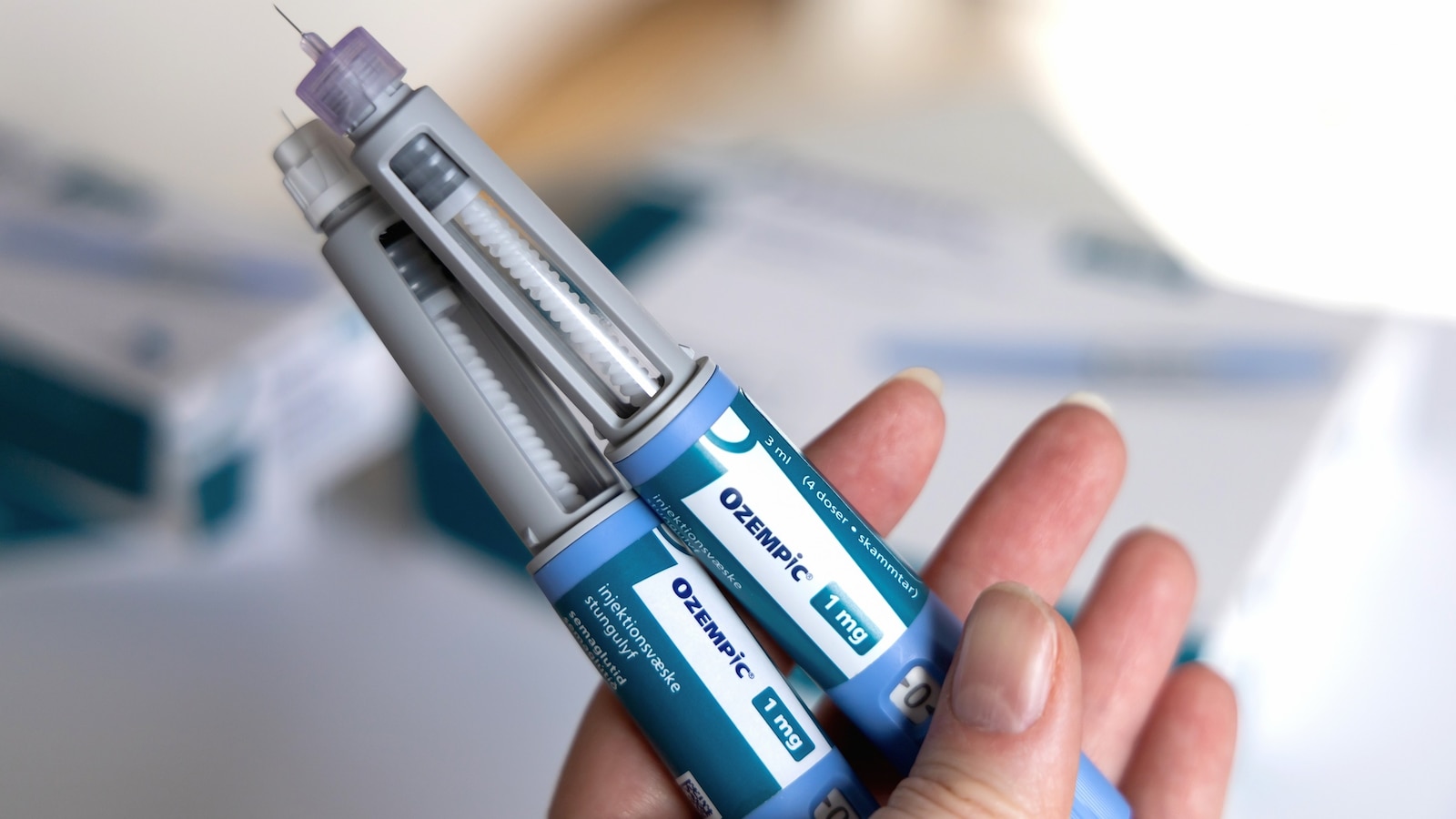
One personal injury firm has filed more than 90 New Jersey suits claiming Novo Nordisk's Ozempic and Wegovy caused sudden vision loss. Denmark has awarded about $55,600 a patient for the same injury, the only price on record, while studies of whether the drugs cause it still disagree.
The Investor · Invest desk
What happened
- One US personal injury firm has filed more than 90 suits against Novo Nordisk in New Jersey for patients who say Ozempic or Wegovy gave them the optic-nerve condition NAION.
- In Denmark, 27 patients who developed NAION after Ozempic or Wegovy have received more than $1.5 million combined, with 38 more claims under review.
- Novo Nordisk and Eli Lilly are contesting the suits, saying a causal link between the drugs and NAION has not been sufficiently established.
Compiled by The InvestorSomething wrong?How this is made
Why it matters
- cost Resolved at Denmark's average award, the New Jersey docket would total about $5 million, so Novo's real cost depends on whether US juries value NAION far above $55,600.
- decision An FDA move to require a NAION warning would bring the US label into line with Europe's and hand failure-to-warn plaintiffs a finding from their own regulator.
- contradiction Other studies find the risk doubled or higher, and the one null result came from research Novo funded, so the causation defense rests partly on the defendant's own study.
The only price anyone has put on NAION, an abrupt drop in blood flow to the optic nerve that in many cases leaves vision permanently damaged [2], comes from Denmark, where Novo Nordisk has its headquarters. There, 27 patients who developed NAION after taking Ozempic or Wegovy have received more than $1.5 million between them, according to reports cited by Sedaily [12]. The average is about $55,600 a patient [1]. The awards were decided by the Danish Patient Compensation Association, an independent body that reviews claims of rare or serious harm from medicines, and not by the drugmaker [13]. Another 38 Danish claims are under review [12]. Paid at the same average, they would take Denmark's total to roughly $3.6 million [3].
Apply that average to the more than 90 New Jersey suits one personal injury firm has filed against Novo and they total about $5 million [2]. A docket ten times larger would come to about $50 million on the same basis [4]. I think the filing count matters less to Novo than two things outside the docket: what the FDA puts on the US label, and whether studies keep finding a raised risk once patients' other conditions are accounted for. The counter-case is that a US jury is not bound by a Danish award. One large American verdict would make the $55,600 average irrelevant.
The failure-to-warn claim turns on labels, and Europe and the US now differ. Plaintiffs in the Philadelphia federal case argue the drugmakers did not adequately tell consumers about the risk [4]. The European Medicines Agency reviewed the question in June last year, classified NAION as a very rare side effect of semaglutide, the active ingredient in Ozempic and Wegovy, and recommended adding a warning to the product information [11]. The FDA is still examining a possible link and has not required a NAION warning on US labels [10]. In my view that difference is the strongest material the plaintiffs have. Since 2025 the American Optometric Association has also recommended that patients consider an eye exam to check the optic nerve before starting GLP-1 treatment [15].
Novo and Eli Lilly are contesting the suits on the ground that a causal link has not been sufficiently established [14], and the research gives them room [5]. Some studies found semaglutide users face roughly twice the NAION risk of control groups, while noting the condition stays very rare [6]. Work from some specialized ophthalmology institutions found a far steeper increase [7]. A large study funded by Novo found no clear evidence that GLP-1 drugs raise the risk [8]. Many users also have diabetes, high blood pressure, heart disease or sleep apnea, and each of those can raise NAION risk by itself [9]. The reporting does not give a base rate, so the doubling cannot be converted into a count of expected cases.
Lilly's exposure is thinner on this record. The Wall Street Journal reports suits seeking damages from both companies [1], but the 90-plus New Jersey filings name Novo [3]. The European warning and the Danish awards both concern semaglutide and Novo's two drugs [11][12].
What to watch
- Whether the FDA ends its review by requiring a NAION warning on US GLP-1 labels, matching the European product information.
- How the 38 pending Danish claims are decided, and whether the average award stays near $55,600 a patient.
- Whether Eli Lilly is named in the New Jersey filings or the Philadelphia case, or whether the first US ruling on causation evidence lands.