Product1 publisher2 min readPublished
T-Mobile charges $5 a month to put one iPhone number on two handsets
Sharing one phone number across two iPhones is an iOS 27 setting that the carrier has to switch on and bill for. Adding a second handset now depends on the mobile contract.
The Product Desk · Product desk
What happened
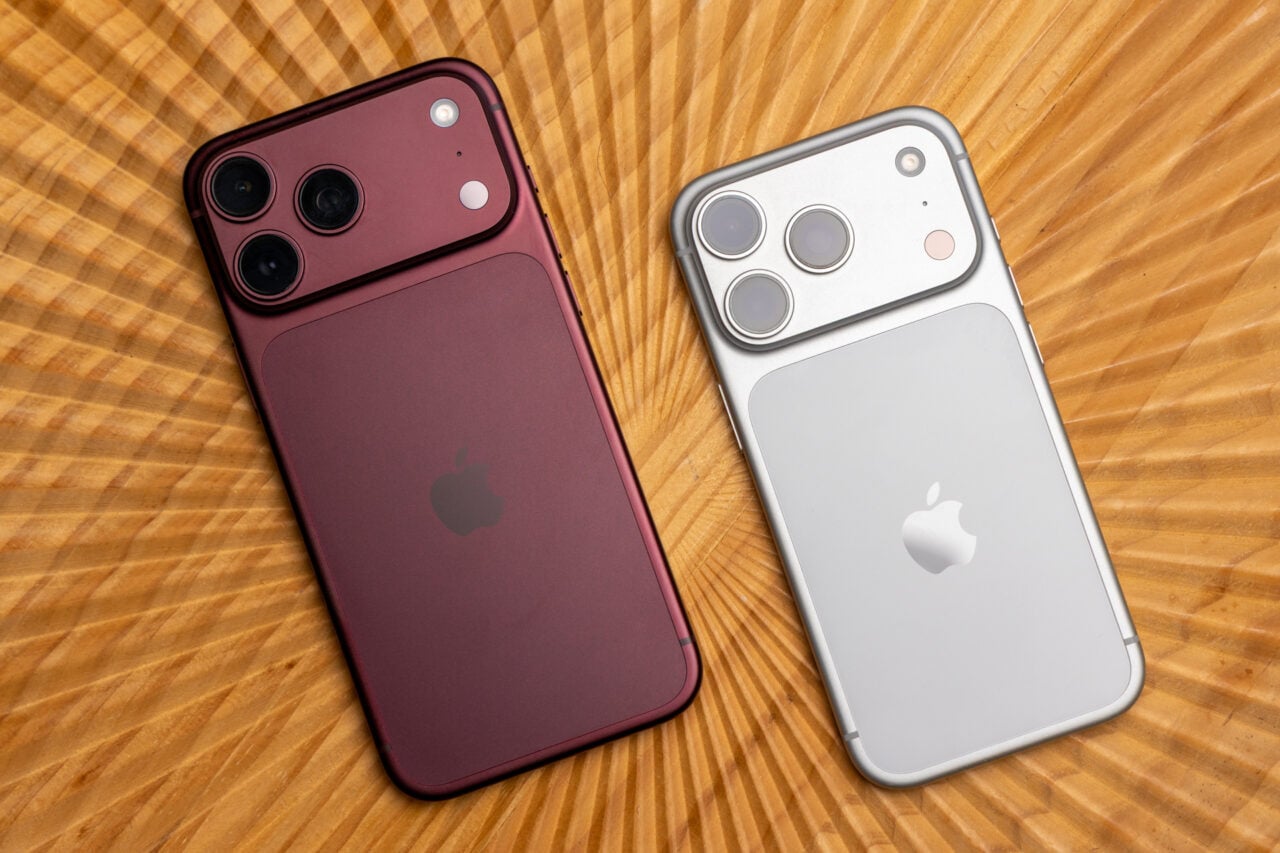
- iPhone Handoff, introduced with iOS 27, lets two iPhones share one phone number, with calls, voicemail, iMessage, RCS, SMS/MMS and Find My location moving to whichever device you are using.
- One iPhone is designated main and keeps the eSIM number, which is never transferred; the secondary piggybacks on it, and the two phones do not have to be anywhere near each other.
- As of Sept. 22, 2026 the feature works only on T-Mobile in the US and Telekom in Germany, with Verizon and the UK's EE committed to support by the end of the year and AT&T yet to comment.
- T-Mobile charges $5 a month for iPhone Handoff, which Gizmodo puts at $60 a year on top of whatever the two handsets cost.
- In testing, the secondary iPhone sometimes failed to reach cellular at home while the main phone stayed connected, and restarting the secondary cleared it.
Compiled by The Product DeskSomething wrong?How this is made
Why it matters
- constraint A company on the wrong network cannot buy its way into this. The setting exists on the phone, but the line only works if the carrier holding the contract has switched it on, so the decision sits with procurement's mobility supplier.
- cost The charge is recurring and lands on the mobility bill rather than the hardware budget, so one team hands out the second device and another team pays for it every month it stays in service.
- capability Because the paired phones need no proximity, one number can now sit on a handset at a desk and a handset in the field at the same time, a pattern that previously required a second line or a tether.
- exposure The carrier's own record of which handset is enrolled was wrong on colour and storage at signup, so anyone reconciling a device list against a carrier portal inherits inventory data that does not match the phones in people's hands.
Setup runs through Settings > Cellular > iPhone Handoff, and the choice sits on the Set Up eSIM screen: "Use Number on This iPhone" or "Use Number on This iPhone and Another" [6]. Gizmodo's reviewer had it running in a few minutes [16]. Apple's support page says, "Simply unlock whichever device you want to use and you're ready to go" [2].
Until now, two iPhones meant either a separate number on each one or tethering the second to the first over a hotspot [12].
Handoff moves the work to the carrier. The handset and the operating system do not decide whether it is available: of the three US carriers Gizmodo names, one supports it now, one has committed to the end of the year, and the third has not commented [20]. The fee recurs for as long as the second phone is enrolled. Set against the $2,000 iPhone Duo arriving Oct. 23, T-Mobile's charge works out at about 3 percent of that phone's price per year [18][19].
"iPhone Handoff has been nothing but seamless," Gizmodo's reviewer wrote after about a week of testing in New York City, first with an iPhone 18 Pro and an 18 Pro Max and then with an 18 Pro Max and a 17 Pro [13]. The part that did not match reality was the paperwork. The plan confirmation screen recorded his iPhone 17 Pro as Cosmic Orange with 256GB of storage when the phone is Silver with 1TB, an error he attributes to the carrier and says he has also seen in T-Mobile's T-Life app [15].
Cancelling has an order of operations. Transfer the eSIM number to another device before you stop paying for Handoff, Gizmodo warns [17]. The hands-on describes a consumer plan and does not cover business accounts, device management, or what happens when the main iPhone is replaced [22].
The feature answers one person with two iPhones on one supported carrier [1][8]. Shared handsets are a separate case: a phone passed between people on an on-call rotation, or a loaner pulled from a drawer, still needs a number of its own [12]. For a fleet, two conditions decide it: the carrier on the contract offers Handoff, and the same person holds both devices. Both have to hold, or the second phone keeps its own line [12].
What to watch
- Whether Verizon and EE ship Handoff support by the end of the year they committed to, and whether AT&T says anything at all.
- Whether any carrier offers Handoff on business or pooled accounts, and at what per-line price.
- Whether carrier-side device records for enrolled secondary phones get corrected, since colour and storage were wrong at enrolment.