ProductNot yet confirmed elsewhere1 publisher2 min readPublished
Waymo is Level 4 because of where it drives, not how well it drives
The SAE ladder stops measuring the human at Level 4 and starts measuring territory. That makes the operational design domain the only checkable part of any "full self-driving" pitch.
The Product Desk
What happened
- Level 3 keeps a human on call to take over when asked; Level 4 drops that requirement and turns occupants into passengers.
- The boundary is the operational design domain, covering geography, road types and weather, and NHTSA's Level 5 is universal operation rather than limited service areas.
- Waymo says its sixth-generation Driver handles more diverse environments including extreme winter weather, and it stays Level 4.
- Waymo's 2026 collision-avoidance research says testing a Level 4 system is complicated by the potentially enormous number of scenarios where a hazard can develop.
Why it matters
- exposure The responsibility line falls between Level 3 and Level 4, so a vendor's level claim decides whether the person in the seat is the fallback driver or a passenger.
- constraint No amount of driverless footage can support a Level 5 claim, because a bounded and an unbounded system look identical to a rider inside the bounds.
- precedent Because new cities and new weather leave the classification untouched, the level number is worthless as a progress metric and expansion news will keep arriving without it moving.
- cost Removing the domain removes the pass condition, and the open-ended validation bill lands on whoever wants to sell the unbounded version.
The framework changes units halfway up, and that is where vendor language finds room to move. Levels 0 through 3 sort systems by the person in the car: at Level 0 the human does all the driving even if safety systems briefly intervene, Level 1 continuously assists with either steering or acceleration and braking, Level 2 does both at once, and in all of those the driver stays responsible for the car [3][4]. Level 3 hands over the whole driving task in certain conditions while keeping the human available to take back control when asked [5]. Then the axis switches. Above Level 3 the question is no longer who is driving but how much of the world is in bounds [2]. Four of the six levels assign a person a job; two do not [12].
That switch is why nothing observable from the back seat settles the argument. A trip through city traffic with an empty driver's seat is exactly what a bounded system operating inside its designed conditions looks like, which is how a company can sell fully autonomous rides without ever claiming Level 5 [9]. A completed ride is evidence the ride was in bounds. Level 5 is a claim about the conditions the system was never asked to decline.
The engineering literature explains why erasing the boundary is not a release note. Waymo's collision-avoidance work identifies potentially hazardous scenarios using human driving data, data from its own automated-driving tests, and expert knowledge [11]. That is a method for building a finite list, and the operational design domain is what makes the list finite: name the geography, the road types and the weather, and you have named the scenarios you owe a test for [7]. Take the domain away and the enumeration has no edge to stop at.
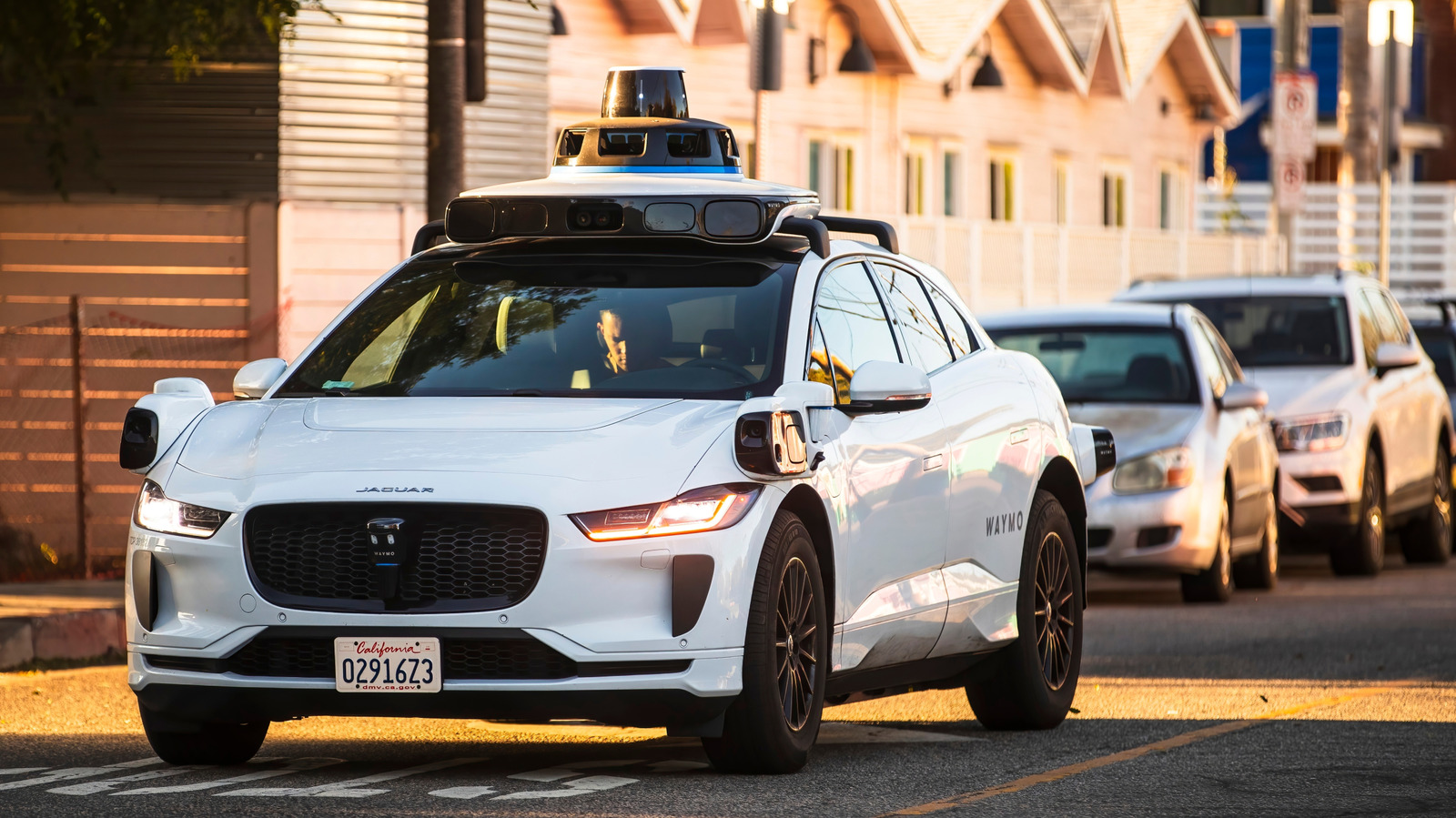
So the useful question to put to any full self-driving pitch is not what the car did on video. It is which conditions are excluded, in writing. Waymo's own labelling is the benchmark for that: an automated driving system its published safety research calls SAE Level 4, sold with an empty driver's seat and defined operating limits [1][9]. A vendor that will not publish an exclusion list is not describing a higher level of automation. It is describing an unspecified one.
What to watch
- Whether any vendor publishes a written exclusion list for its driving system rather than a coverage map of where it currently operates.
- Whether Waymo's next Driver generation is announced as a domain expansion again, or as a change in SAE classification.
- Whether regulators start asking for the operational design domain in filings, which would make level claims checkable rather than promotional.
Clarity's read
What the record supports and how the coverage leans. The claims behind it follow.
Reality
- Evidence62
- Adoption48
- Hype gap−12
- Incentives45
- Confidence58
Claim ledger
Ranked by verification strength, evidence, and original report placement.
- [1]
Waymo's published safety research describes the Waymo Driver, the company's automated driving system, as an SAE Level 4 automated driving system rather than Level 5.
- [2]
Under the SAE driving automation framework, a Level 4 system can fully handle the driving task without human input within a defined set of conditions and locations; Level 5 removes those boundaries entirely. The difference between the two is scope, not who is responsible for driving.
- [3]
There are six SAE automation levels, numbered 0 through 5. NHTSA's breakdown starts at Level 0, where the human does all the driving even if safety systems can briefly intervene.
- [4]
Level 1 can continuously assist with steering or with acceleration and braking; Level 2 can handle both at the same time. In each case the driver remains responsible for the car.
- [5]
At Level 3 the system can handle the entire driving task under certain conditions, but the human must be available to take over when requested.
- [6]
At Level 4 the requirement for a human to be available to take over disappears; once the system is operating within its intended conditions, the occupants are passengers rather than backup drivers.
- [7]
The limits on a Level 4 system are described as an operational design domain (ODD): the set of conditions an automated driving system is designed to operate in, which can include geography, the types of roads it is designed for and the weather it can handle.
- [8]
NHTSA describes Level 5 as operating universally rather than within limited service areas.
- [9]
Waymo can describe its service as fully autonomous without claiming SAE Level 5: its cars complete rides with nobody behind the wheel, but that ability still has defined operating limits.
- [10]
Waymo says its sixth-generation Driver has expanded capabilities for more diverse environments, including extreme winter weather. Expanding into new cities or weather types makes the system more capable but leaves it at Level 4 as long as it operates within defined boundaries.
- [11]
In its 2026 research on collision-avoidance testing, Waymo said evaluating a Level 4 system is complicated by the potentially enormous number of operational scenarios in which a hazardous situation might develop; its methodology identifies potentially hazardous scenarios using human driving data, data from Waymo's automated-driving tests and expert knowledge.
- [12]
Of the six SAE levels, four (0, 1, 2 and 3) describe a driving or fallback role for a person, and two (4 and 5) describe none.
Sources
1 independent publisher whose own reporting we read for this story.
- engadget.comIf Waymo cars are Level 4 automation, what does it take to be a Level 5?
1 article · August 22, 2026
Topics and entities
Follow any of these and your For You feed starts watching them — no settings page required.