Science1 publisher3 min readPublished
Scientists suspect gull-wound infections in Argentina's unusual whale calf die-off
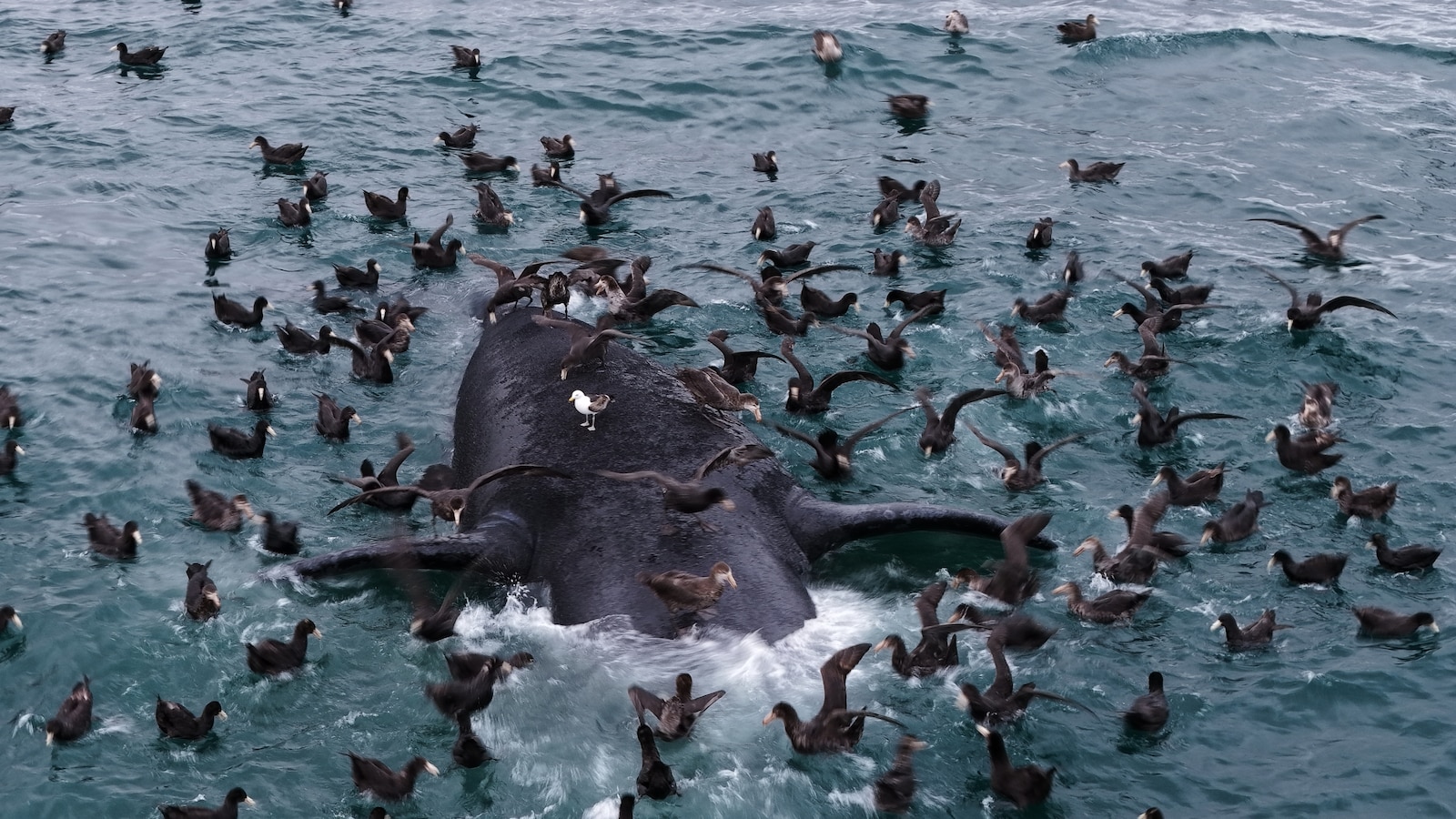
Marcela Uhart's team says southern right whale calf deaths at Argentina's Peninsula Valdes are unusual against 23 years of monitoring the same population. The leading suspect is bacteria entering through kelp gull wounds, though gulls have pecked these whales for decades and cannot alone explain this season.
The Scientist · Science desk
Drafted by a language model from the sources cited here and checked against its claim ledger before publication. How we use AISend a correction
What happened
- Kelp gulls have pecked surfacing right whales for decades; adults learn to keep their backs underwater, but calves cannot, which leaves them exposed.
- Bacteria have been found in skin and organ samples tested at a veterinary school in Tandil, and culturing continues to identify the microbes.
- Residents have reported hundreds of carcasses, but researchers will not give a death toll until the season ends around late November.
Compiled by The ScientistSomething wrong?How this is made
Why it matters
- constraint Confirming a gull-wound infection would not close the case: the pecking is decades old, so the team would still need a second factor to account for this year's rise in deaths.
- decision Uhart has tied any response to the cause, saying a human-linked trigger would have to change, so whether warming or El Nino is behind it bears on whether people must act.
- exposure A population still rebuilding after whaling, and already exposed to entanglement and ship strikes, would recover more slowly if calf losses on this scale return in later seasons.
If the infection hypothesis holds [4], gull wounds would be the route by which bacteria reach the calves. Something else would have to explain the rise. The pecking is decades old [5]. The researchers accept this: even if bacteria are to blame, they still have to work out why the microbes became so deadly this year [9]. The thing this doesn't tell you is whether gull attacks have become more frequent this season.
I think the gull route is still a sensible first suspect, because it fits the age of the dead. The carcasses washing up are calves [1]. Calves are also the animals that cannot keep their backs out of the birds' reach when they surface [5].
The judgement that the deaths are unusual rests on a good control: the same population, watched over many years. "We're looking into the whale calf deaths based on 23 years of monitoring that we have of this same population. That's what allows us to say that this is an unusual event," said Marcela Uhart, head of the Southern Right Whale Health Monitoring Program and a veterinarian at the University of California, Davis's One Health Institute [3].
The denominator is not in yet. Biologists, veterinarians and park rangers are searching from shore and by boat, plane and drone [12]. The figure of hundreds of carcasses comes from residents [7].
The lab work is a race against decomposition, with skin and organ samples sent north for testing [8]. Finding bacteria in those tissues shows the microbes were present. It does not show that infection killed a calf, and the team is still culturing samples to settle that point [8].
For the question of why this year, Uhart offered a candidate. She said changes in marine conditions, such as warming sea temperatures possibly linked to climate change or El Nino, could contribute [10] to "this perfect storm where this bacteria is powerful enough to overcome the immunity of the babies and cause their deaths" [11]. That is a proposed factor, and she framed the next step as a search. "So to the extent that we can, we'll try to identify at least what factors may be triggering this event and making it so massive," she said [17].
The stakes come from the population's history. Southern right whales were hunted to the brink of extinction in the 19th and 20th centuries [2]. They have rebounded gradually since gaining international protection in 1935, although illegal hunting continued into the 1970s [13]. Their recovery already faces declining food supplies, fishing gear entanglements, oil spills and ship strikes [14]. One season cannot show a trend, and the AP report says losses on this scale could slow the recovery if they recur [15].
"If the cause relates to something that we are doing as humans, then we need to change that," Uhart said. "We don't want to endanger these whales again." [16]
What to watch
- Culture results from the Tandil veterinary school naming the microbes and stating whether infection caused the calves' deaths.
- The season-end count after late November, set against the 23-year monitoring record for the same population.
- Whether the team links the deaths to sea-temperature changes, and whether those trace to climate change or to El Nino.