Science1 publisher2 min readPublished
DNA and museum specimens split two familiar Australian stick insects into five species
University of Sydney researchers have split Australia's Anchiale stick insects from two species into five, one laying eggs with a lidlike structure new to the group. The insects already had more than 1000 citizen-science records, and telling them apart took DNA analysis checked against museum specimens.
The Scientist · Science desk
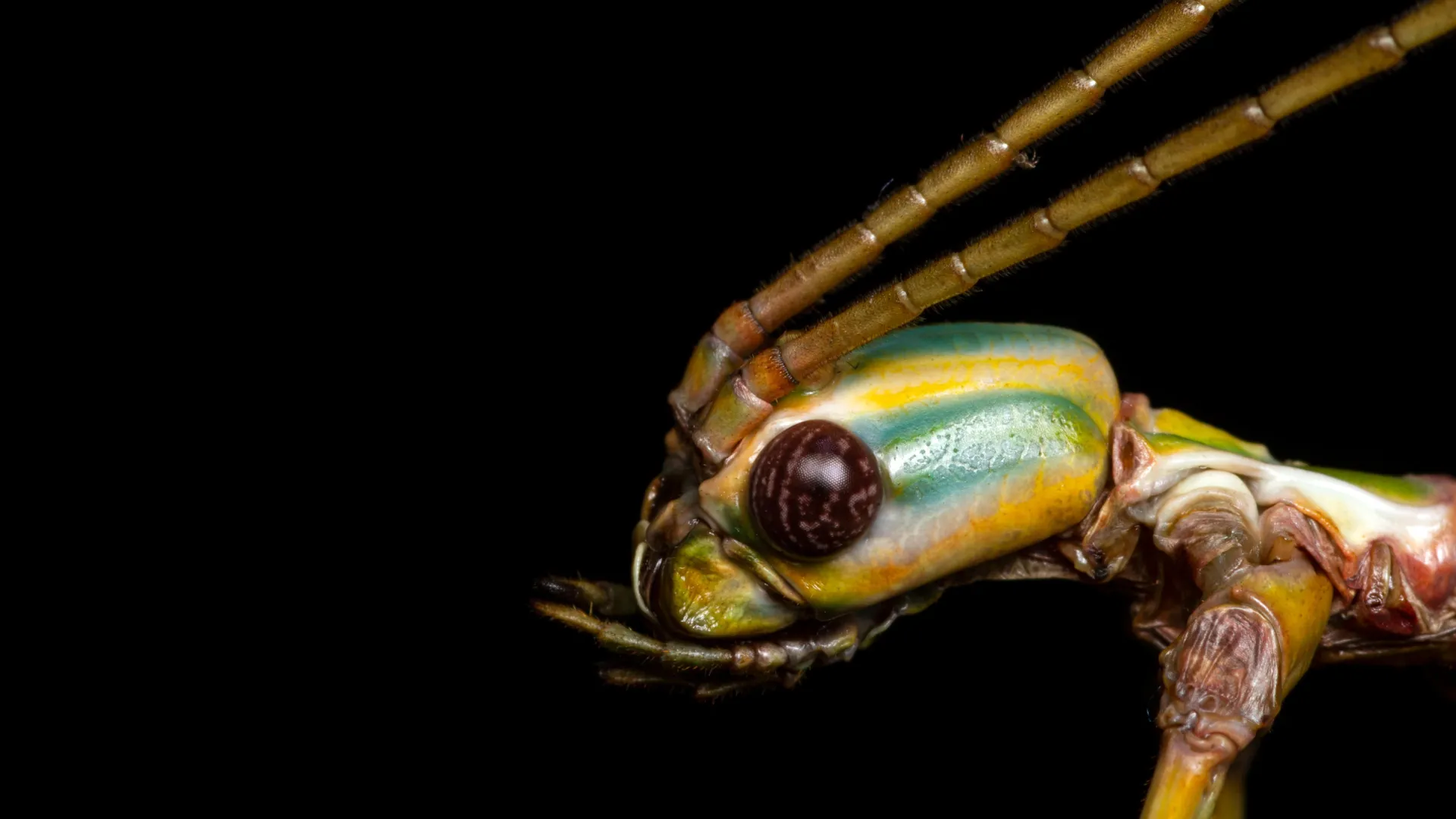
What happened
- A large stick insect that scientists and enthusiasts had known for a long time turns out to have been misidentified for decades, according to the University of Sydney.
- The five species occur from northern New South Wales along coastal Queensland and into tropical northern Australia.
- The release counts 130 known stick insect species in Australia and 3609 described worldwide.
Compiled by The ScientistSomething wrong?How this is made
Why it matters
- constraint Range and abundance records filed under the two old names now cover five species, so they have to be re-sorted before they can describe where any one species lives.
- constraint A high count of citizen-science sightings is weak evidence that a group's species boundaries are settled: this genus had more than 1000 records and was still lumped.
- precedent If a heavily photographed genus hid three species, then applying the same DNA-plus-specimen method to other familiar Australian insects would directly test the researchers' claim that much diversity is undocumented.
More than 1000 records is a lot of attention for one group of insects. Observations of Australian Anchiale have been logged through iNaturalist and the Atlas of Living Australia, and scientists have studied the genus for decades [6]. Those records sort sightings into the species already on the books. If the books are wrong, the records inherit the error. The University of Sydney team now says the books listed two species where there are five [4].
The three additions are two species new to science and one older species that had gone unrecognised for decades and has now been restored [1][3][1]. The release also says that a large stick insect long familiar to scientists and enthusiasts had been misidentified for decades [10].
I like the design. The researchers combined DNA analysis with museum specimens, field surveys and the citizen-science observations themselves [11]. Each source checks something the others cannot. A photograph records where an insect was and what it looked like. Genetic data can show whether animals that look alike belong to separate lineages. Museum specimens tie a lineage to a name already in the literature, and that link is how an old species name comes back into use.
The egg is the result I would most like to see in full. One of the new species lays eggs with a lidlike structure that, according to the release, had never been recorded in the group [2]. The release's summary does not give the new species' names, the journal, or how many specimens were sequenced. Without that sample size, there is no way to judge how strong the genetic case for each split is.
"Taxonomy is often a bit like detective work. Even among some of Australia's most photographed and frequently reported insects, we're still finding species that have escaped scientific recognition," said Braxton Jones, the lead author and a postdoctoral researcher at the university's Aola Richards Sydney Insect Hub [8][9].
The release goes further. It presents the work as new species turning up in some of the country's most closely studied environments [13]. The evidence it describes is narrower than that. It concerns insects that people photograph and report often, and the 1000-plus records existed before anyone separated the five species [6][4]. In my view, the finding is that a well-photographed insect is not the same thing as a well-described one. The researchers say much of Australia's insect diversity remains undocumented [7]. The release counts 130 known stick insect species in Australia and 3609 worldwide [12].
What to watch
- The full paper, with species names and the number of specimens sequenced, which would show how strong the genetic case for each of the five species is.
- Whether iNaturalist and the Atlas of Living Australia reassign their existing Anchiale records to the five species.
- A detailed description of the lidlike egg structure and what, if anything, it does for the developing insect.