Product1 distinct publisher3 min readPublished
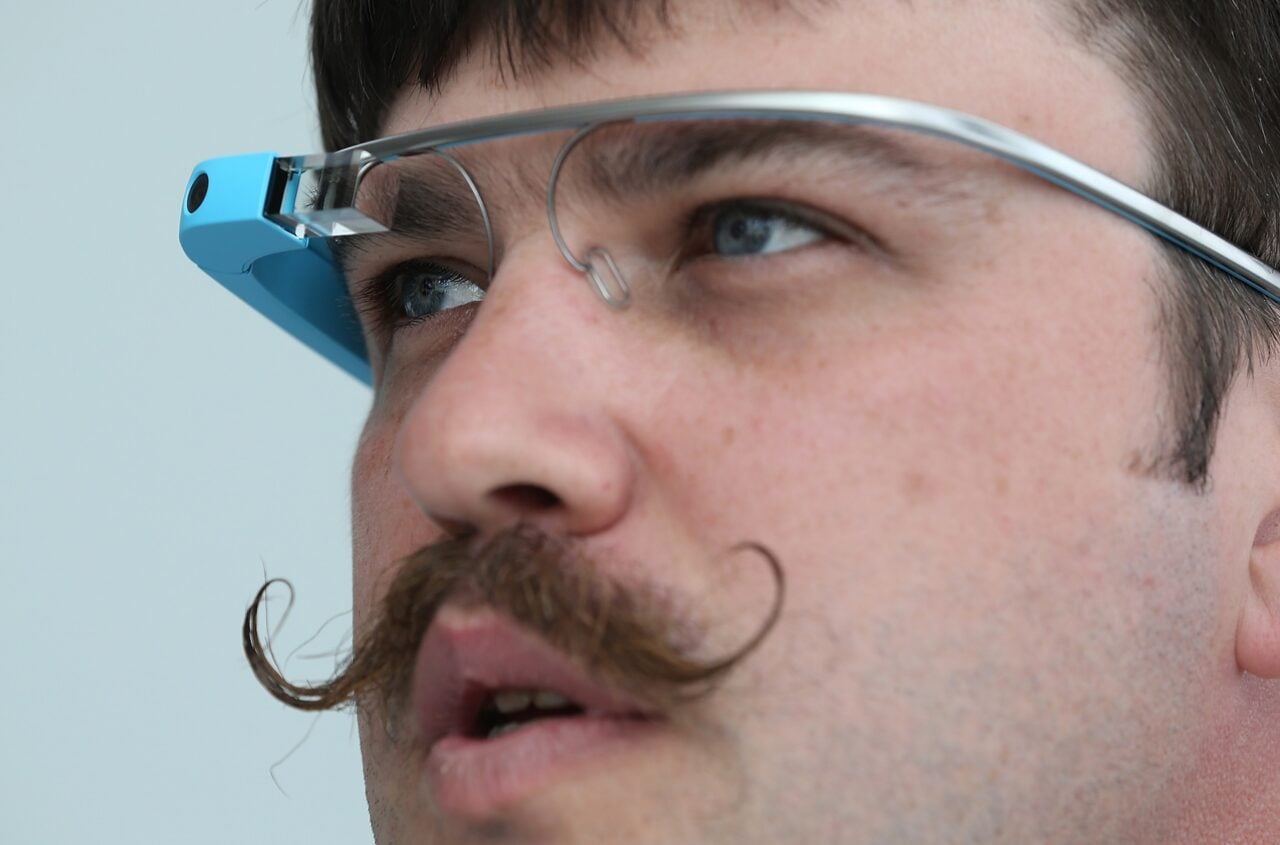
The collective memory of Glassholes getting hit has no documented punch behind it, which means what shut Google Glass out of bars was a story about being recorded, and Meta's glasses are being read the same way.
The Product Desk · Product desk

leadership
31 years at Microsoft, then a layoff: what tech workers' regrets say about retention1 distinct publisher
leadership
Data center opposition is now a siting cost, and the industry is pricing it as a PR line1 distinct publisher
product
Poland asks Brussels for a €250M Meta fine it has no power to levy1 distinct publisher
product
Washington's secret AI test is coming for open weights, and release dates go with it2 distinct publishers
Compiled by The Product DeskSomething wrong?How this is made
In the Pacific Beach video, a man reaches for an influencer's Meta frames and mostly succeeds in getting himself filmed, which is where the confrontation ends [12]. That is the shape the Glass incidents took as well: hands on the hardware, with the two cases that reached national news amounting to property theft or destruction, and the rest of the anger either verbal or ambient [13].
The flagship case is messier than the memory of it. Slocum's own video from Molotov shows two people waving their hands in front of her rather than the removal she described, which she said happened later [4]. In the LA Times account of that night, citing CBS San Francisco, the punch that got thrown came from a friend she was with, aimed at a heckler [5]. The most-cited assault on a Glass wearer includes a swing from the wearer's own party.
Comedy carried the story further than the incidents did. Both Slocum and Russell ended up in a Daily Show segment that mocked them, and Slocum was singled out for calling her experience a hate crime [7]. Other wearers on that panel complained about being refused entry to businesses and were ridiculed for it by the interviewer, Jason Jones [14]. That is the lesson for anyone weighing the product: complaints about it get mocked, not heard.
Google wanted its buyers called Explorers and the public settled on Glassholes [9]. About 22 months ran from the April 4, 2012 announcement to the Molotov night [1], and during that window the product's real defects were eye strain and a battery that ran out fast [8], which handed everyone a tidy engineering story about why it failed. Meta's version does not have that alibi available. Gizmodo's read is that the glasses lack Glass's technical limits and are following a similar social route anyway, nickname included, with influencers posting footage of people who did not agree to be filmed [11].
The grid worth drawing has two axes, and session count is not one of them. First axis: whether a bystander can tell, in the moment, that recording is happening. Second axis: whether whoever owns the room can enforce a rule about it. When both are true, you have an ordinary camera governed by ordinary etiquette. When bystanders are in the dark but venues can enforce, the decision moves to the door, where you never meet the customer who was turned away. When bystanders are aware but venues are powerless, you get the grab at arm's length. When neither is true, strangers name your product for you, which is the cell Glass died in.
The number that tells you which cell you occupy is not total usage. Split retention by setting: wearers whose sessions happen with third parties present, against wearers who use the thing at home. If the public-facing cohort thins out while overall usage holds, the product is being quietly retired to the living room and the dashboard will keep reading healthy. That is the concrete risk here: demo scenarios that depend on a stranger's tolerance are the ones a nickname can strip straight out of the roadmap.
Ranked by verification strength, evidence, and original report placement.
Slocum's YouTube video of the Molotov incident shows only two people waving their hands in front of her, not the glasses being taken from her face; she said that happened later.
Gizmodo reports Meta's smartglasses do not suffer Google Glass's technical limitations but are following a similar social path, with people calling them pervert glasses and influencers posting videos of people, often women they try to pick up, without their knowledge or consent.
Gizmodo, reviewing the 2014 Google Glass backlash, could not find a single documented instance of a Glass wearer being punched in the face, contrary to the internet's collective memory.
There were reports of bars banning Google Glass users in 2013, before the product was officially released, driven by fear that people would be recorded without their consent.
In February 2014 at Molotov bar on Haight Street in San Francisco, tech writer Sarah Slocum was confronted for wearing Google Glass and a man ripped the device from her face.
A couple of months after the Molotov incident, Business Insider reporter Kyle Russell had his Google Glass taken off his face and smashed to the ground in San Francisco; he was never punched.
Distinct publishers with included, body-backed reporting in this cluster.
1 article · August 30, 2026
Follow any of these and your For You feed starts watching them — no settings page required.
Evidence-backed comparisons of source perspectives and observed adoption signals. Read the methodology
Which Builder, Operator, and Investor concerns the observed source mix emphasized—not a truth score.
Evidence, demonstrated adoption, hype gap, incentives, and confidence are assessed independently, each on its own current evidence. How these are measured.
Named incidents, unnamed absence
The set pieces are properly anchored: SFGate on Molotov, the L.A. Times relaying CBS San Francisco on the punch, Kyle Russell in his own words, a dated April 2012 announcement, a dismissed traffic ticket. The centerpiece is not an incident at all but an absence — Gizmodo looked for a punch and found none — and absences cannot be corroborated by the same search that produced them. Slocum's video, which shows hands waving rather than glasses being taken, is the one place the reporting tests a claim instead of relaying it.
Nothing here is counted
Every quantity in this story is a word rather than a number. Bars banned Glass in 2013 — how many is not said. Influencers film strangers — how often is not said. Meta's glasses have escaped Glass's hardware problems — how many are on faces is not said. The only figure in the whole piece is a Pew finding from the Glass era, 53% of Americans against being fed information through implants or devices like Glass and 37% in favor, which measures opinion, not uptake. Uptake is not assessable from what is on the table.
Undersold debunk, oversold parallel
On the Glass half the reporting is quieter than its own result: 'try as we might' is honest sourcing language, and the real payoff — that what shut Glass out of bars was the camera, not any fear of being hit — is left mostly for the reader to assemble. The reach runs in the other direction at the end, where a nickname and a scattering of confrontation clips are asked to carry the claim that Meta's glasses are on the same trajectory. Net of the two, the story claims slightly less than it has earned.
The 2014 callback pays for the Meta angle
Gizmodo sells no headsets and got no review units, so there is no vendor to please here — but a nostalgia debunk that lands on Meta's live problem is a dependable traffic shape, and the framing follows it. The piece takes Slocum's and Russell's accounts largely at face value, which is convenient, since interrogating them would cost the story its two set pieces. Neither Meta nor Google was asked for comment, which cuts both ways: no access was pursued, and none is at risk.
One outlet, one search, no rematch
This all comes from a single publisher, and the outlets it leans on appear as excerpts rather than as reporting anyone re-checked. The fixed, on-the-record parts hold up well — April 4, 2012; February 2014 on Haight Street; a citation dismissed for lack of evidence. The two things the story is actually for, that no punch landed then and none is landing now, are only as good as one newsroom's look, and a look that comes up empty is the hardest kind of finding to trust or to refute.