Invest1 publisher3 min readPublished
David Rivera gets 10 years for hiding a $50 million Venezuelan lobbying contract
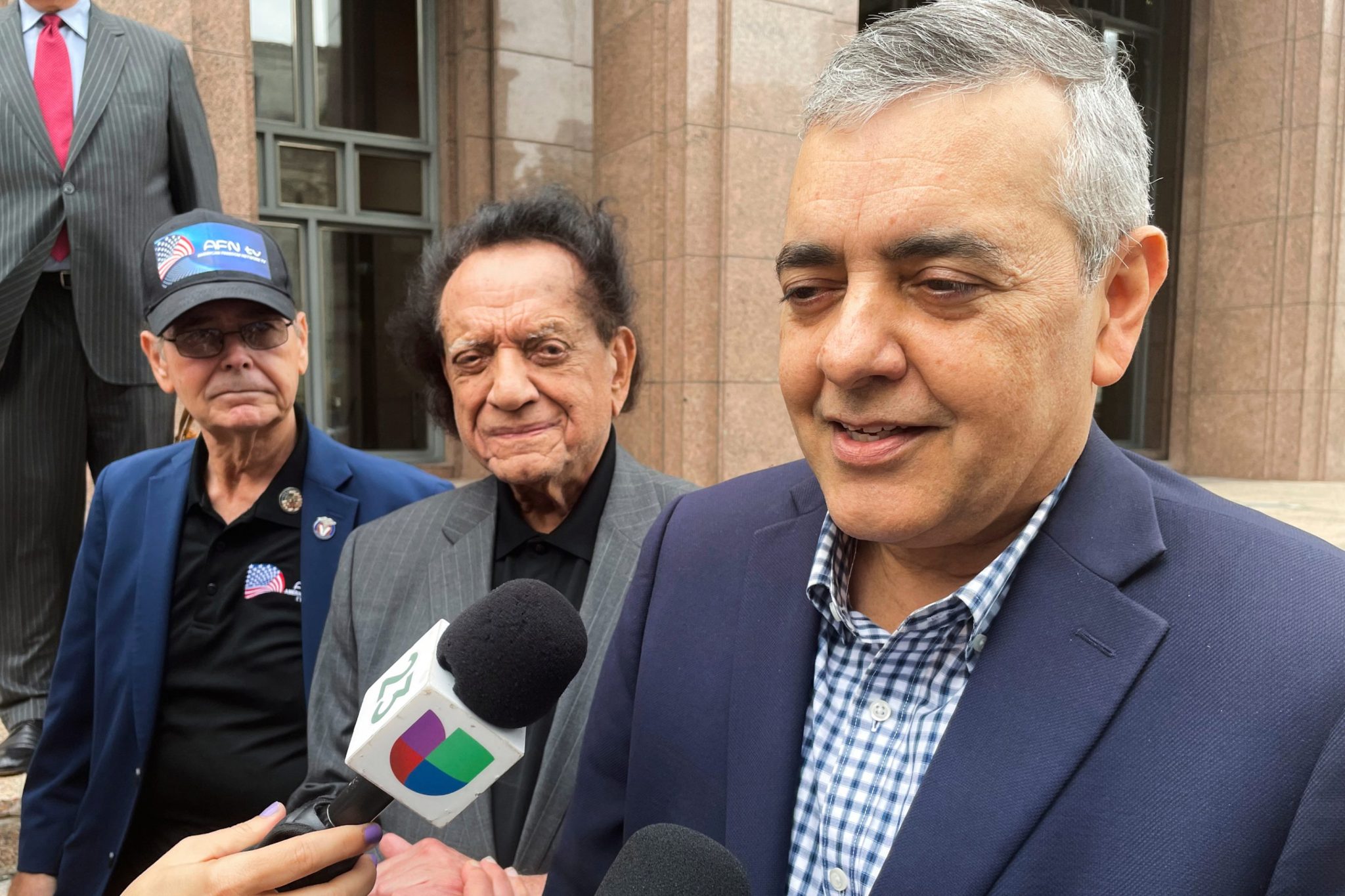
Judge Melissa Damian sentenced former Rep. David Rivera to 10 years for hiding a $50 million lobbying contract from a US affiliate of Venezuela's PDVSA. The term shows what concealment costs consultants paid by foreign governments when a case runs its course, and it comes as such prosecutions have plunged.
The Investor · Invest desk
What happened
- Venezuelan Foreign Minister Delcy Rodriguez recruited Rivera to get the first Trump administration to normalize relations with Caracas.
- Marco Rubio, Rep. Pete Sessions and a top Washington lobbyist testified that Rivera never mentioned his consulting contract with the PDVSA affiliate.
- Rivera, 61, asked for leniency and told the judge the term amounted to a "death sentence" given his age and the effects of prostate cancer.
- Co-defendant Esther Nuhfer, a political consultant who worked the same influence campaign, received a five-year sentence.
Compiled by The InvestorSomething wrong?How this is made
Why it matters
- cost A consultant who skips registration on a foreign-state fee now risks handing back a large share of the money on top of prison time, so the fee is worth materially less than its face value.
- constraint Calling work for a state oil company's affiliate commercial did not protect Rivera, so a firm doing both commercial and political work for one foreign payer has a weaker basis for not registering.
- contradiction The sentence argues for registering, while the plunge in foreign-lobbying charges since Trump's return suggests few concealed contracts will reach a judge; a firm's expected cost depends on which holds.
Rivera's lawyers describe the deal as a three-month, $50 million contract with his one-man consulting firm [12], or about $16.7 million a month [1]. Prosecutors want $20 million of it forfeited as criminal proceeds [9]. That is 40% of the fee [2].
The defense says the money paid for commercial work, an effort to lure ExxonMobil back to Venezuela, and that commercial work is generally exempt from the Foreign Agents Registration Act [12]. In the defense's telling, Rivera's meetings with Marco Rubio and Pete Sessions were a separate matter, aimed at bringing less hostile leadership to Venezuela [17]. Damian focused on who paid. "There's no dispute this money came from the Maduro regime," she said [4].
Defense attorney Ed Shohat cast the decade as a punishment for paperwork. "David Rivera does not deserve to die in prison because he failed to file a FARA registration," he said [13]. Damian disagreed. "This is a serious offense. It's not about not filing a piece of paper," she said [14]. The record supports her, or rather it supports a narrower version of her point: the May conviction paired the registration failure with conspiracy to commit money laundering [2]. The reporting does not say how much of the 10 years attaches to each count [1].
Prosecutors argued that Rivera kept the lobbying undisclosed because a filing would have ruined his reputation as an anti-communist stalwart [11]. If they are right, his choice was between a public registration that would have cost him that reputation and a concealed contract that has now cost him 10 years [1]. "The United States and the public were the true victims of this fraud," Assistant U.S. Attorney Roger Cruz said [15].
A 10-year term is what concealment costs when a case reaches sentencing. How often a case gets that far is a separate figure, and that figure is falling. Rivera was charged in 2022, under Joe Biden [6]. Charges of illegal foreign lobbying have plunged since Donald Trump returned to the White House [7], and Rivera's lawyers have applied for a presidential pardon and plan to appeal [8].
From here the case can go three ways: the term stands, an appeal shortens it, or a pardon wipes it out [8]. Only the first leaves a firm weighing a foreign-government fee with a larger expected penalty. That expected penalty is the sentence multiplied by the odds of being charged, and on the reporting those odds are falling [7]. I think the sentence raises the stakes for unregistered work for foreign states by less than the 10-year figure suggests. The counter-case is that consultants weigh the worst outcome they can see more heavily than charging rates. A decade for a former congressman who is a longtime friend of the secretary of state is hard to miss [1].
What to watch
- Damian's ruling on the $20 million forfeiture request, which sets how much of the fee Rivera loses on top of the prison term.
- The outcome of the related foreign lobbying case Rivera is defending in Washington, D.C.
- Whether new illegal foreign lobbying charges are filed under Trump; a rebound would weaken the falling-enforcement case against the deterrent.