Invest1 publisher3 min readPublished
Iran puts its old Hormuz demands on a seven-day clock timed to the US midterms
Iran offered to reopen the Strait of Hormuz within seven days if the US lifts its port blockade, frees frozen assets and waives oil sanctions. Tehran pitched the speed as help for Trump in November's midterms, and his own reply so far is a map calling the waterway the 'Trump Strait'.
The Investor · Invest desk
What happened
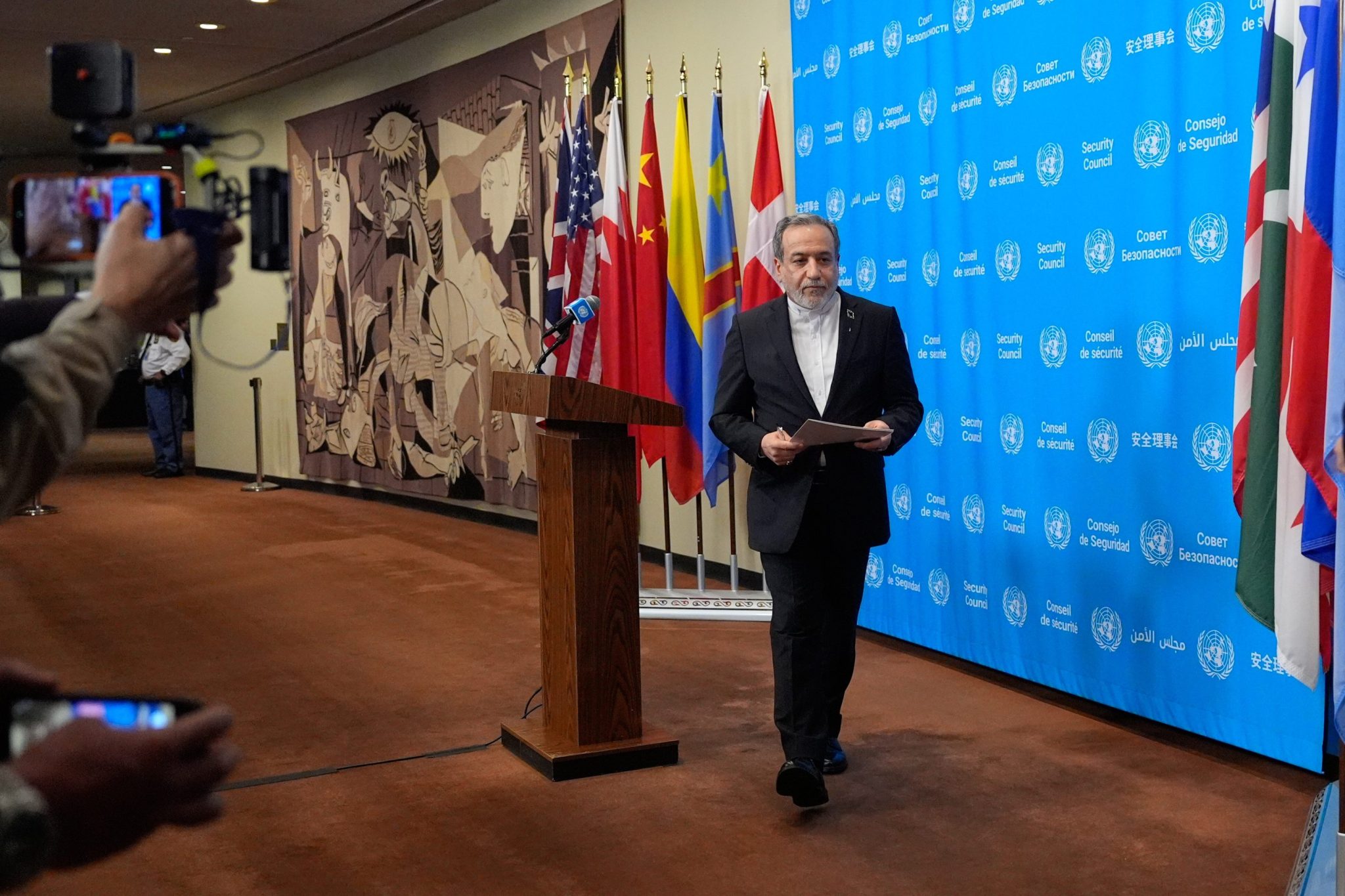
- Iran's president and foreign minister proposed in New York a deal to end the fighting and reopen the Strait of Hormuz within seven days.
- Iran asks the US to end its blockade of Iranian ports, release frozen Iranian assets and waive sanctions on Iranian oil sales, among other conditions.
- US and Iranian envoys held three hours of indirect talks through mediators on Tuesday, their first since a June agreement collapsed within days of signing.
- Early Saturday Trump posted a map on social media calling the waterway the 'Trump Strait', and the White House had not explained the post overnight.
Compiled by The InvestorSomething wrong?How this is made
Why it matters
- cost Each week without a deal costs Iran crude it cannot ship and a weaker currency, and it keeps the US Navy escorting commercial traffic through the strait.
- constraint With the terms largely copied from June, timing is the only thing either side has left to trade, and Trump has said he is in no hurry.
- decision Trump now has to choose between a deal he could sell before November and keeping sanctions pressure on until after the vote, and Iran has offered no new concession to tip that choice.
- exposure Oil buyers are exposed to a rejection that, by Fortune's account, risks renewed fighting and higher prices while Iran's security forces say they still have targets.
Iran's conditions have been on the table since June. Fortune reports that they largely echo the ones agreed in the June deal that fell apart [7]. All three that Fortune names require action from Washington, in return for Iran's commitment to end the fighting and reopen the strait [1][1]. The only new term is the delivery date. Iran pitched that date to American voters, telling Trump that a quick deal might help him in the November midterms [3].
Both governments are paying for the delay after seven months of war [16]. For Iran, the blockade and the oil sanctions hold down how much crude it can ship, while its currency sits at record lows and inflation soars [9]. For Washington the cost is partly naval, since the US military has been guiding commercial ships through the strait at risk of Iranian attack [8]. It is also electoral. According to Fortune, a rejection risks a return to fighting that would drive oil prices higher just as Trump needs happy voters [14]. The report does not include an oil price or an escort cost, so neither bill can be sized from this record.
Apart from the map, Trump has not answered the terms [4]. The White House would say only that US officials were having positive and constructive conversations with mediators [11], and Trump has said he is in no rush for a deal while sanctions strain Iran's economy [13]. Iranian state media said Pezeshkian was going home around the time of the post [5]. That leaves Foreign Minister Abbas Araghchi's Friday line as Iran's last public word. "The choice now rests with the United States," he told journalists [10].
Trump could take the deal for its political value; if he did, the strait would reopen within seven days [1][14]. He could instead hold pressure through the vote. Danny Citrinowicz, a senior researcher at Israel's Institute for National Security Studies, laid out that course on X on Saturday: "Washington may believe that time is on its side: Maintain pressure through November, avoid another major military escalation before the midterms, and reassess afterward. Tehran may reach precisely the opposite conclusion," he said [12]. Or the talks could end in renewed fighting. Iran's security forces have warned they still have targets left to strike [15].
I think waiting is the likeliest course on this evidence. It matches what Trump has said, and it requires neither a US concession nor an escalation before the vote [13][12]. The case against is how fast Tehran is moving. Pezeshkian hosted Qatar's prime minister, the mediator, early Friday [18], after long weeks of talks with Oman on managing shipping traffic [17], and a government in that much of a hurry could still add a term Washington has not seen. The map on its own says little about oil prices. The reason to expect the energy cost to outlast this round is Trump's stated patience [13]. A US reply to the three conditions through Qatar, or any easing of the port blockade before November, would show that view is wrong.
What to watch
- A second round of indirect talks through Qatar in which Washington responds to the blockade, asset and oil-sanction conditions.
- Any White House explanation of the 'Trump Strait' post, or a change in how the US military escorts commercial ships through Hormuz.
- Whether Araghchi stays in New York after Pezeshkian's return, and whether Iran's security forces strike before November.