Invest1 publisher3 min readPublished
Taxpayers Just Joined the College Sports Payroll Race, and No One Capped Their Share
North Carolina, Wisconsin, Louisiana and Connecticut are routing tax dollars and betting revenue into athletic budgets. The federal bill meant to impose guardrails does not restrain them.
The Investor · Invest desk
Drafted by a language model from the sources cited here and checked against its claim ledger before publication. How we use AISend a correction
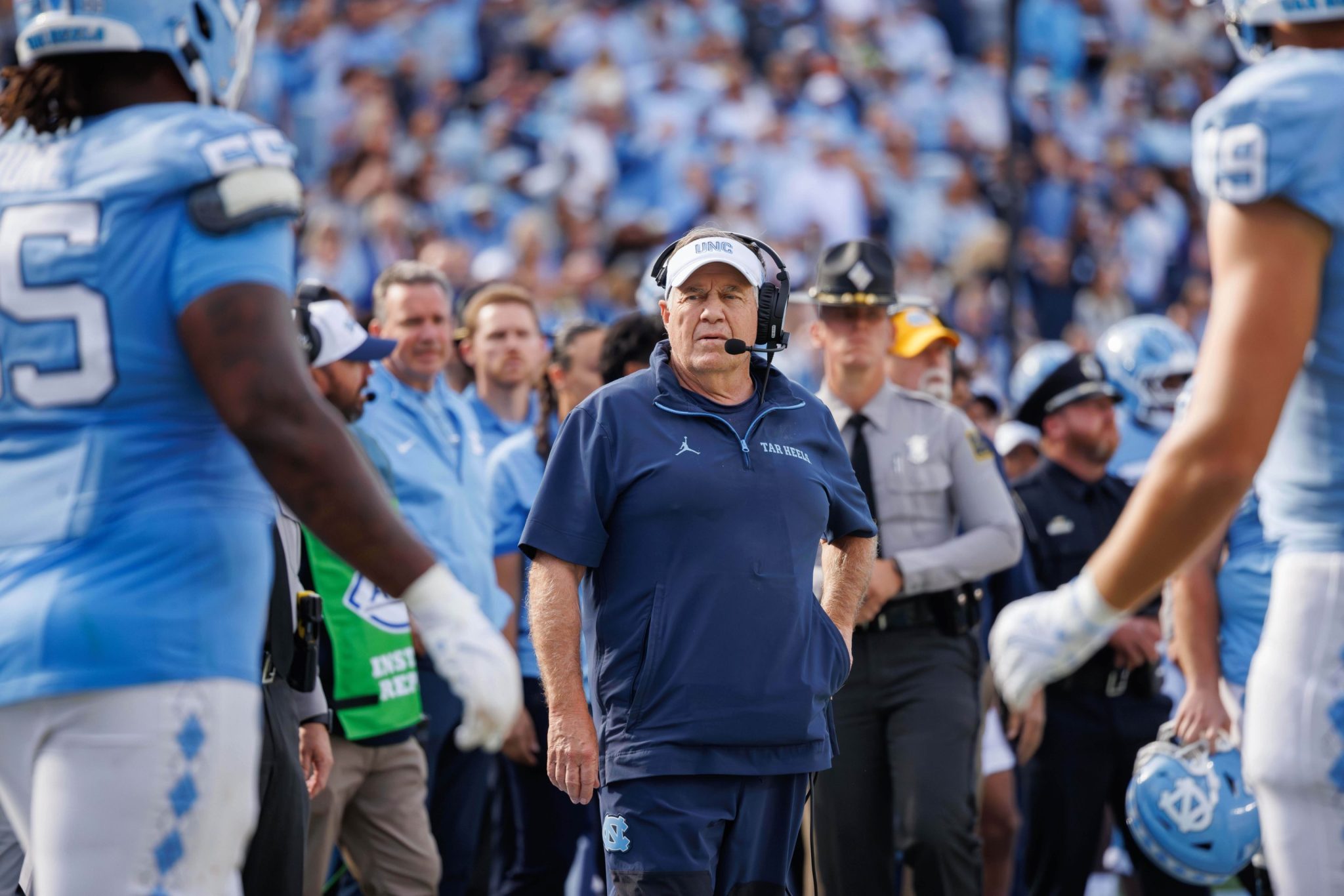
What happened
- The athletics program at the University of North Carolina at Chapel Hill is, for the first time, receiving $3 million earmarked from state sports betting taxes.
- Wisconsin lawmakers approved $15 million for athletic costs at the University of Wisconsin.
- The state dollars are not going directly to star athletes; by funding facilities and administrative costs normally borne by the schools, states are freeing universities to use their own dollars for other purposes.
- When North Carolina launched online sports wagering in 2024, it earmarked part of the tax revenue for athletic departments at 13 public universities, but the two largest institutions, the University of North Carolina at Chapel Hill and North Carolina State University, were excluded.
- That changed in July under a new state budget that raises the sports betting tax; UNC-Chapel Hill and NC State are now projected to receive $3 million each this year and $5.8 million next year.
Compiled by The InvestorSomething wrong?How this is made
Why it matters
The athletic department at the University of North Carolina at Chapel Hill is collecting $3 million in earmarked state sports-betting tax revenue for the first time, and Wisconsin lawmakers approved $15 million for athletic costs at the University of Wisconsin [1][2]. State treasuries have become a funding source in a payroll competition whose ceiling was set by a legal settlement and may soon be raised by Congress [8][14].
None of this money goes to athletes directly [3]. States are paying for facilities and administrative costs the schools would otherwise carry, which frees institutional dollars for other purposes [3]. Call it what the accounting calls it: fungible.
The mechanics vary by state. North Carolina launched online sports wagering in 2024 and earmarked part of the tax revenue for athletic departments at 13 public universities, excluding the two largest, UNC-Chapel Hill and North Carolina State [4]. A new state budget in July raised the sports betting tax and added them, at a projected $3 million each this year and $5.8 million each next year [5], roughly $6 million rising to $11.6 million for the pair [6]. Louisiana also hiked its sports wagering tax and earmarked about $2.2 million to each of its 11 public universities in conferences with Division I football, on the order of $24 million a year [7][17]. Connecticut took the tax-expenditure route, authorizing the University of Connecticut to issue vouchers for state tax credits equal to half the value of donations, sponsorships and licensing endorsements [16]. That structure never appears as an appropriation; it shows up as revenue the state does not collect.
Measure the sums against the cap they are chasing. A settlement last year let institutions pay athletes about $20.5 million annually on top of scholarships and name, image and likeness deals, after the NCAA opened the door to third-party NIL money in 2021 [8][9]. The cap rose to $21.3 million this school year, a 3.9% bump, and is set to rise again the year after [10][11]. Wisconsin's $15 million equals roughly 70% of that ceiling; UNC's $3 million covers about 14% [12][13].
The states are stepping into a segment that is already losing money. Athletic operating expenses at public Division I institutions rose by nearly a third over the past four years, outpacing revenue and producing deficits, according to an Associated Press analysis using the Knight-Newhouse College Athletics Database [15].
The federal response points the same direction. The Protect College Sports Act, pending in the U.S. Senate, has been promoted as a way to put guardrails on spending, but the latest version would let institutions pay an additional $27.5 million a year to retain roster players, pushing the total cap to about $48.8 million [14][18]. Amy Privette Perko, CEO of the Knight Commission on Intercollegiate Athletics, said the bill contains no provision restraining increases in state and institutional funding for athletics [19]. Daniel McIntosh, faculty director of the sports business program at Arizona State University, said that without restraint on the underlying spending competition, additional public funding could finance the next stage of the arms race [20]. He also described the contagion mechanism: once one state provides assistance, schools elsewhere can argue competitive disadvantage, pressuring their own legislatures to respond [21].
Watch whether the Senate bill advances with the $27.5 million retention tier intact [14]. Watch whether North Carolina's projected $5.8 million per school materializes next year [5]. And watch the second movers, because the argument that pried money loose in Raleigh and Madison works identically in every neighboring capitol [21].