Product1 publisher2 min readPublished
Bridgewater bagged its Flock cameras after 7 million searches in a town of 7,000
Local governments from Florida to Washington state are ending their contracts with Flock. The Electronic Frontier Foundation attorney who has read dozens of those municipal agreements says what happens to already-collected data is unresolved.
The Product Desk · Product desk
What happened
- Local governments from Florida to Washington state are cancelling their contracts with Flock, the company behind AI-enabled license plate readers, after public outcry over privacy and mass surveillance.
- Flock has installed more than 120,000 cameras across the US, sold not only to local governments but to private businesses and private citizens.
- Lawmakers in Sheboygan, Wisconsin voted unanimously to end the city's contract after learning Flock had reportedly tried to sell anonymized data collected there back to the city's public works department.
- The mayor of Stevens Point, Wisconsin ended that city's contract and then covered up all 10 Flock cameras scattered around the city.
- Contract terms differ by jurisdiction, and many of the municipal agreements let Flock retain data long after it was collected.
Compiled by The Product DeskSomething wrong?How this is made
Why it matters
- decision The deletion terms a council needs are the ones it negotiates before the first camera goes up, because at the cancellation vote the records are already held under whatever the signed agreement allows.
- exposure Residents of a town that has voted to cancel stay reachable through the vendor's query network for as long as the collected records exist, and the town's own leaders cannot audit who is running the searches.
- contradiction Flock says it does not sell consumer data, and Sheboygan's council acted on a report about reselling anonymized municipal data. Both statements can stand at once, which leaves the contract as the buyer's only control.
- precedent Some of the cities dropping the cameras are buying other surveillance tools, so the same unwritten exit terms travel to the next vendor unless procurement changes what it asks for.
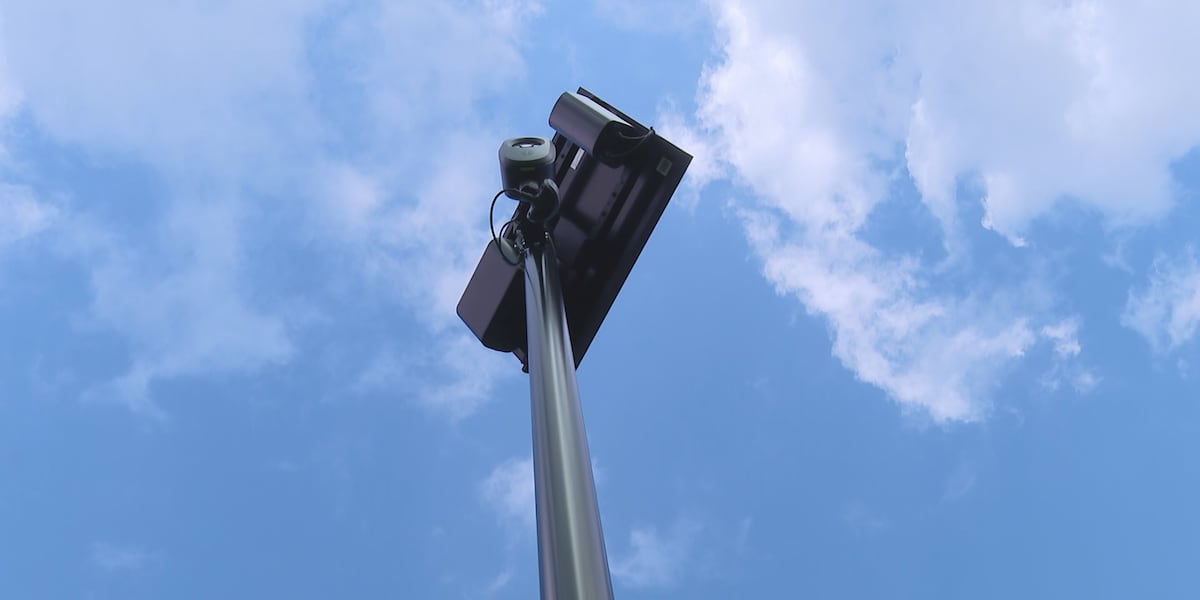
Fewer than 7,000 people live in Bridgewater, Virginia [16]. The Virginia Center for Investigative Journalism found that because of the town's information-sharing agreement with Flock, data collected in Bridgewater was searched 7 million times by law enforcement in 12 months [17]. That works out to more than a thousand searches for every resident over the year, about 19,000 a day [21][22]. The council voted to cancel, then put bags over the cameras [15].
Flock was founded in 2017 and pitched the cameras as an unobtrusive tool to enhance public safety [6]. The council approved hardware on poles; the sharing agreement decided which outside agencies could query what that hardware collected [17]. There have been several reports of law enforcement officers using Flock to track exes and romantic partners [19]. Local leaders around the country now say they were misled about how the data could be used, and some have said they did not realize the degree to which third parties would access it [14].
Saira Hussain, a senior staff attorney at the Electronic Frontier Foundation, has reviewed dozens of municipal Flock contracts [4]. "Let's say they terminate," she said. "What happens to the data, and how long is it able to be searched? That question appears to be unresolved." [5] The EFF has sued San Jose, California over its use of Flock cameras, arguing that the information-sharing agreements violate the Fourth Amendment's protections against unreasonable search and seizure [18].
Stevens Point's mayor, Mike Wiza, described the same gap on a local radio show. "We really have no way of auditing where the Flock data goes once it's collected," Wiza said [12]. Local leaders have said that public pressure, together with Flock's data-sharing and retention policies and what the company can do with the information, is what pushed them to end the contracts [23].
Two things decide whether a cancellation vote can undo a deployment: who stores the records, and who is allowed to query them. Storage sits either with the buyer or with the vendor. Query rights sit either with the buying agency alone or with every partner in the vendor's network. Bridgewater's cameras sat in the corner where the vendor stores and the network queries, and cancelling in that corner stops new collection while the existing records stay where they are [2]. The clause that would have changed the town's position is two lines long: a deletion deadline counted in days from termination, and a query log the buyer can pull without asking the vendor for it.
What to watch
- Whether the EFF's suit against San Jose produces a ruling on the information-sharing searches.
- Whether any cancelling council publishes a dated, written deletion confirmation from Flock.
- What the exit and retention terms look like in the replacement surveillance tools cities are now buying.