Science1 publisher2 min readPublished
Museum DNA puts the moss carder bumblebee's genetic diversity down a quarter in a century
DNA from more than 100 museum specimens gives conservationists a century-long baseline for a declining British pollinator. The yearly rate of loss it measures is far too slow for a decade of field monitoring to have caught.
The Scientist · Science desk
What happened
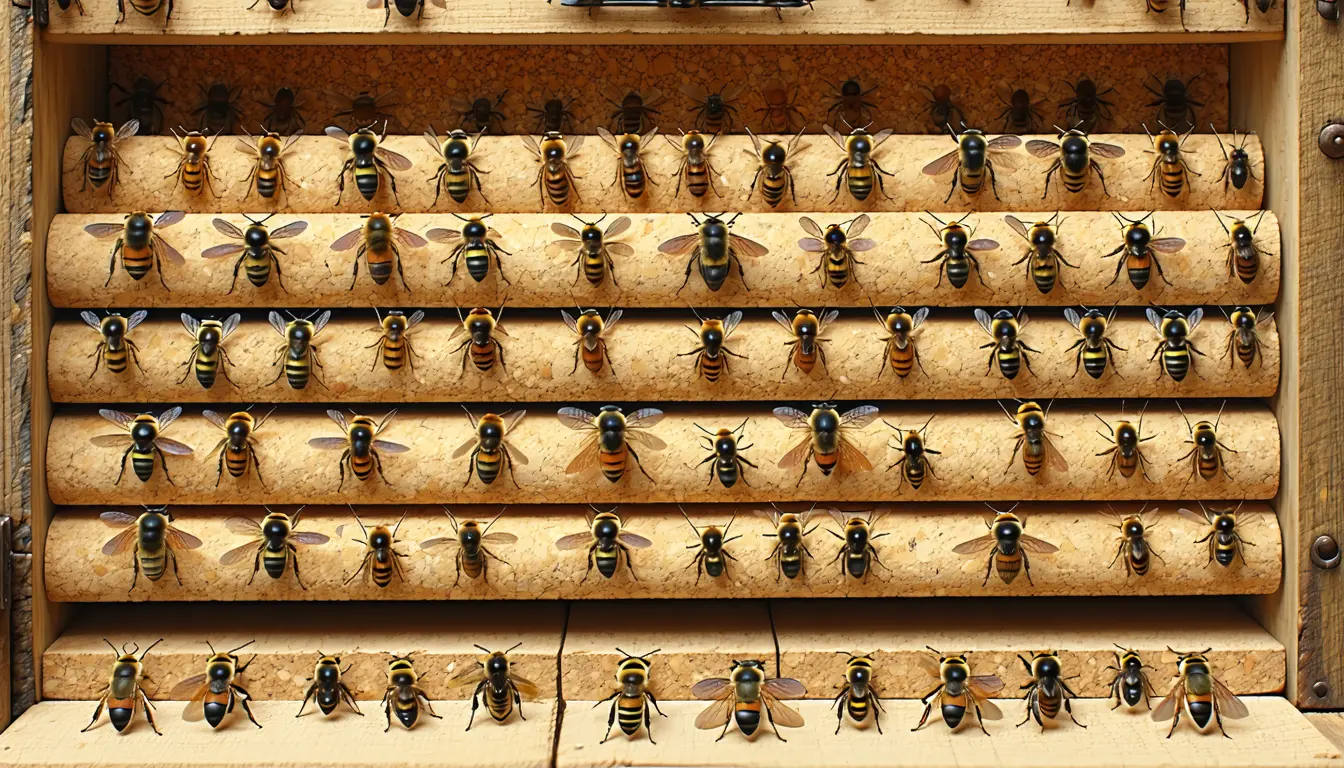
- Researchers sequenced DNA from more than 100 moss carder bumblebee specimens held at the Natural History Museum and other institutions across the UK.
- Across Britain, the species' genetic diversity has declined steadily since the late 19th century and fell by around a quarter over the past 100 years.
- In England and Wales the proportion of the genome affected by inbreeding rose almost threefold, which the authors take as a sign that populations there are smaller and more isolated.
- The team called the rate of loss unexpectedly high and pointed to wetland drainage, the loss of meadows and pesticide use as the pressures driving it.
Compiled by The ScientistSomething wrong?How this is made
Why it matters
- decision Conservation planners now have a genetic argument for moving Highland bees into English and Welsh sites. The study's authors place drainage, meadow loss and pesticide pressure ahead of that step.
- constraint A decline of roughly 0.3% a year sits below what routine field monitoring can resolve, so losses on that scale could be running unrecorded in species that have no museum baseline.
- capability With reference genomes for more than 70,000 UK species in progress, the same retrospective test becomes available for other insects sitting in the same drawers.
- exposure Historical range maps for a species that trained specialists cannot reliably name by eye are open to revision. Every map built from those labels inherits the errors.
A quarter lost over a hundred years is roughly 0.3% a year: 0.75 to the power of one hundredth is 0.9971 [16]. A signal that small per year will not separate itself from sampling noise in a decade of field survey, and the specimens carry the record back to the late 19th century [2][3].
The Scottish Highlands populations are the nearest thing the study has to a comparison group. They are the same species, also apparently declining, but showing less effect of fragmentation, which the researchers attribute tentatively to habitat that still allows bees from different populations to mix [7]. Regions differ in more than connectivity, so that stays a candidate explanation. The species itself has retreated from flower-rich meadows, marshes and heathland into strongholds along Britain's coasts and islands [6].
Victoria Mullin, an assistant professor at Trinity College Dublin and co-author of the study in Molecular Biology and Evolution, said: "Because the genome is like a toolkit, containing all the different ways a species can adapt, these bees now have fewer tools available to them in their response to climate change, pollution and habitat degradation" [9][10].
Moving Highland bees into English and Welsh sites is the intervention these numbers point to. The authors attach a condition. Carefully planned introductions could restore diversity, they say, but the root causes of the decline would have to be tackled first [8]. The reported results establish two things: a measured loss of variation in England and Wales, and a northern population that has kept more of it. They do not identify a threshold past which habitat repair alone stops working, or estimate how many moss carder bumblebees remain [18].
The misidentifications are a separate result. Using a Darwin Tree of Life reference genome, the team found 29 specimens catalogued as moss carder bumblebees that belonged to close relatives [12], in a species trained experts struggle to name by eye [13]. Against a sequenced set of more than 100, that is under 29% of the labels, if those 29 came from within the set [17]. Darwin Tree of Life is working toward genomes for more than 70,000 species that live in the UK [11].
Ian Barnes, a merit researcher at the Natural History Museum and co-author, said: "We have around 30 million insects at the Natural History Museum, and millions more in other UK museums, which provide the scale needed to answer some of the most important questions humanity faces today" [14][15].
What to watch
- Whether any conservation body proposes a licensed move of Highland bees south, and what habitat conditions it sets before doing so.
- Whether the 29 reassignments prompt a wider DNA audit of bumblebee holdings in UK museum collections.
- Whether the same museum-baseline test is run on other declining UK pollinators as more Darwin Tree of Life reference genomes appear.