Leadership1 publisher3 min readPublished
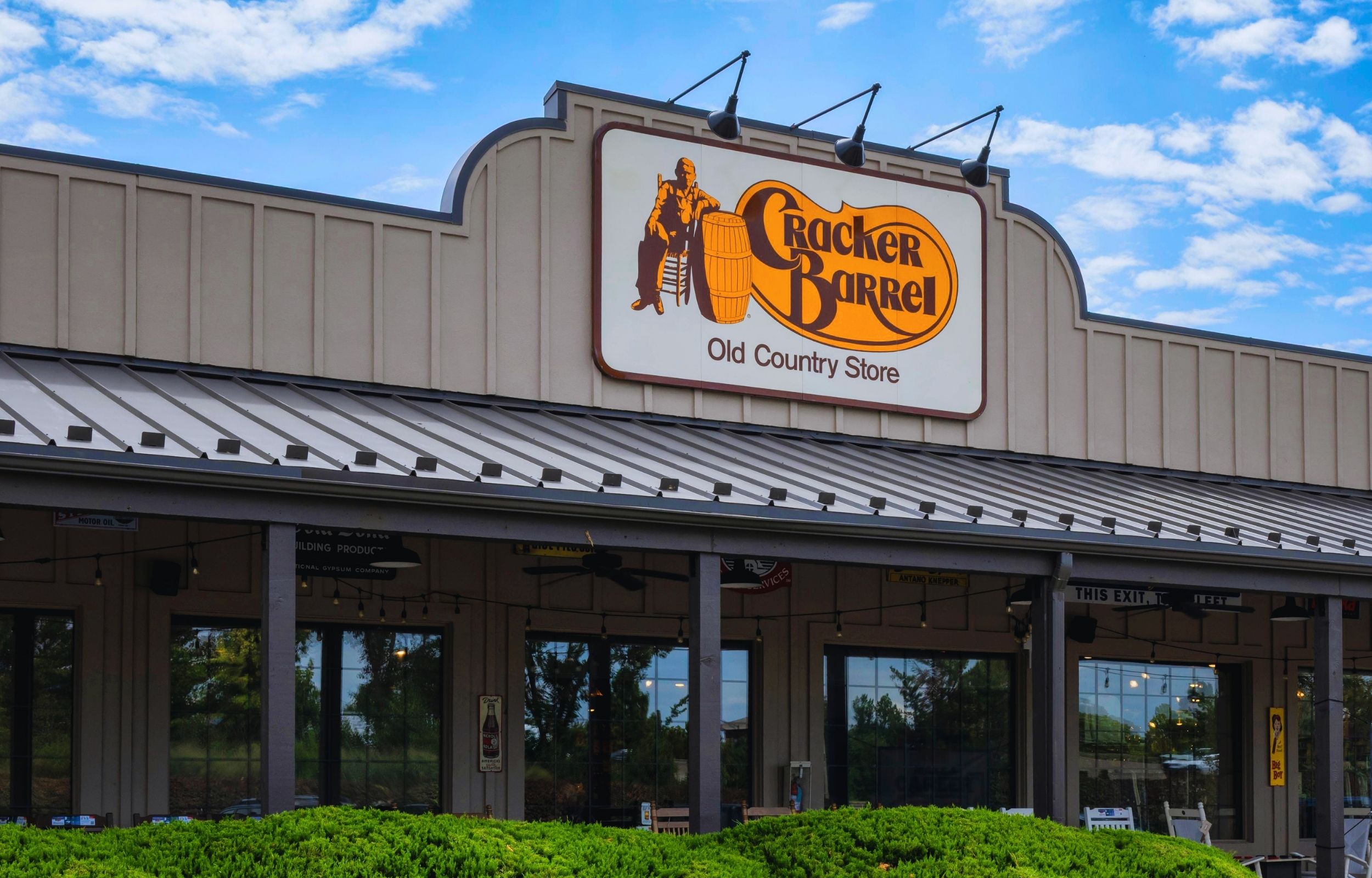
Cracker Barrel's real lesson for boards is not "never change the logo"
Julie Masino's exit is being read as proof that modernising a loved brand is fatal. One column argues the failure was shallow customer research, and that the wrong lesson will freeze other companies.
The Board Room · Leadership desk
Drafted by a language model from the sources cited here and checked against its claim ledger before publication. How we use AISend a correction
What happened
- Julie Masino has stepped down as CEO of Cracker Barrel.
- Per the column: Masino came in, modernized a beloved brand, customers revolted, President Trump weighed in, she reversed course, and she is now gone anyway even after steering a real turnaround.
- The column states the widely drawn moral is: don't touch what customers love, change is dangerous, keep the status quo.
- The column asserts that this moral is wrong and that it is about to cost many companies a lot of money.
- Masino pointed to customer research when she rolled out the new look, and the backlash happened anyway.
Compiled by The Board RoomSomething wrong?How this is made
Why it matters
Julie Masino is out at Cracker Barrel, and the story circulating about her exit is that she modernised a beloved brand and paid for it [1][2]. An Entrepreneur contributor column argues that reading is wrong, and that companies acting on it will lose money [3][4].
The sequence, as the column lays it out, is not complicated: Masino arrived, modernised, customers revolted, President Trump weighed in, she reversed course, and she left anyway after steering what the column describes as a real turnaround [2]. She also had the usual cover. Masino pointed to customer research when the new look went out, and the backlash arrived regardless [5]. The column's argument is that the failure lay in how she learned what to change rather than in the decision to change at all, and that the specific error was mistaking data for understanding [6][7].
The illustration is worth keeping. In 1999 Sony ran a focus group on a yellow Sport Walkman, participants praised it, and each was then offered a free unit in black or yellow; every one of them took the black [8]. The column cites neuroscience research on decision-making suggesting roughly 80 to 90 percent of it runs on emotion rather than logic [9], which leaves at most a fifth of the process to the rational-sounding answer a survey is built to collect [10].
That is the operational indictment, and it is aimed at the research function rather than at the strategy. Most customer research, the column argues, is designed to produce certainty rather than insight: a clean question, a clean answer, a report that protects whoever signed off, and clean answers to shallow questions do not predict behaviour [11]. Organisations stop at the first answer because it is fast, quantifiable and defensible in a board meeting, while the second and third questions are slower, harder to summarise on a slide, and occasionally tell leadership something it does not want to hear [12]. The work that would have anticipated the reaction is qualitative and uncomfortable: what customers fear losing, what identity they have attached to the brand, which unstated expectation is about to be violated [13].
Jo-Ellen Pozner, the Santa Clara management professor who has been vocal on the case, argues the environment matters, and that a shaky economy makes a brand's core audience more protective rather than less [14]. The column accepts that and then draws the distinction that actually governs behaviour: protective customers are not asking a company to freeze, they are asking to be brought along, and those are opposite instructions [15][16].
Two caveats before anyone quotes this in a strategy deck. This is a contributor opinion piece, and its opinions are the author's own [17]. It reports no board rationale for the departure and no figures behind the turnaround it credits [2].
What to watch is whether the interpretation hardens. The near-term signal is what Cracker Barrel's next leader is permitted to touch, and how visibly. The second signal is internal and cheaper to observe: whether the research line item shifts from survey volume toward the slower qualitative work the column says predicts defection, or whether "we did the research" keeps functioning as an alibi [11]. Boards that draw the nostalgia lesson will get quiet quarters and stale assets. The other reading costs more up front and asks executives to hear things they would rather not.