Leadership1 publisher2 min readPublished
Wildfire's move into the suburbs changes what is in the smoke
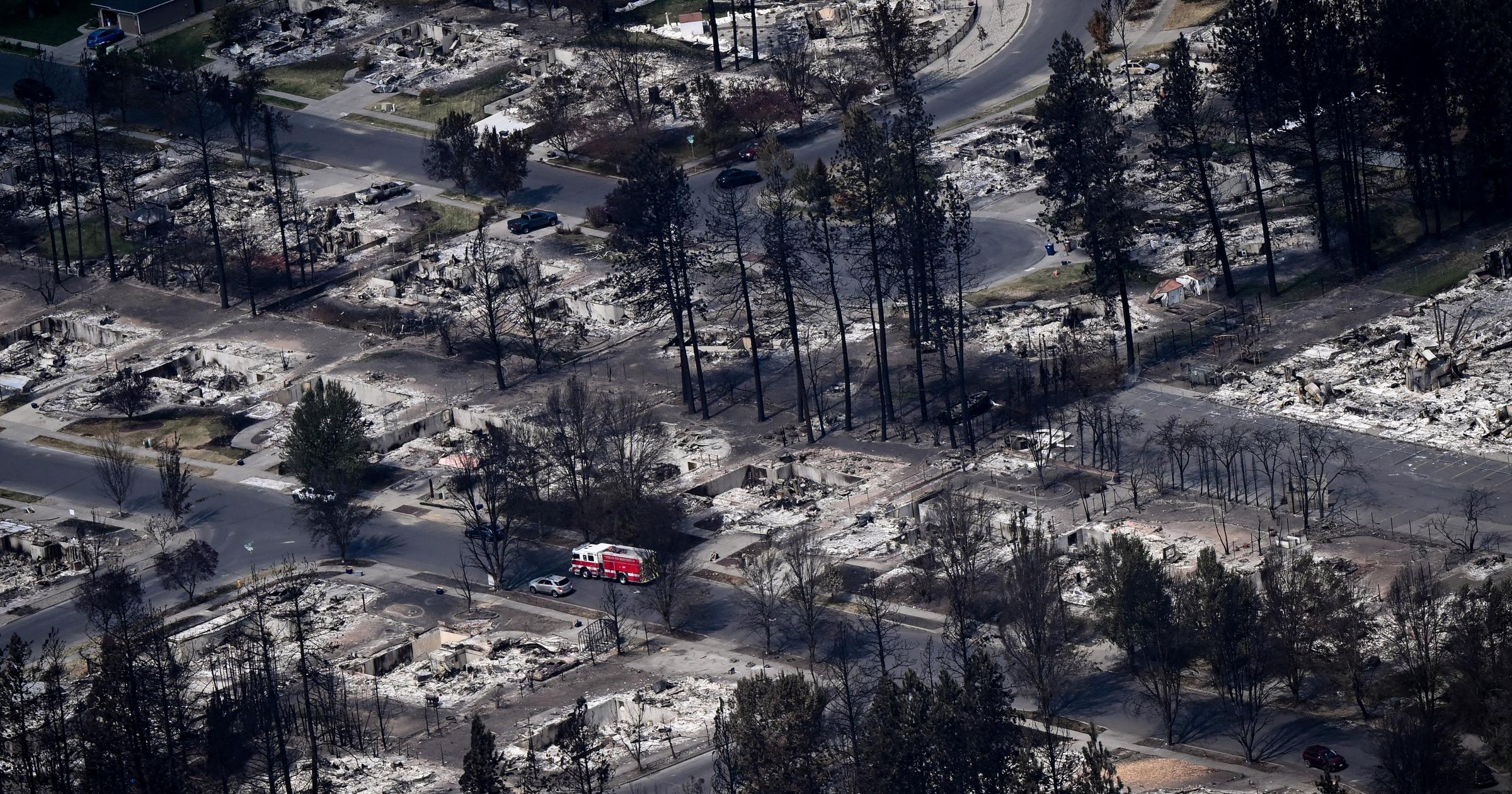
Recent fires have burned through suburban neighborhoods in Washington, Colorado and California, and Vox reports that smoke from burning houses and vehicles carries plastic and metal oxides whose long-term health effects are still being studied.
The Board Room · Leadership desk
What happened
- Fires in a suburban neighborhood of Spokane, Washington demolished more than 800 homes this summer, according to Vox's account of a fire season that has run through built-up ground.
- Last year's Los Angeles fires burned over 37,000 acres, much of it densely built residential neighborhoods, and displaced 205,000 people from their homes.
- The 2021 Marshall Fire destroyed nearly 1,000 homes in Boulder, Colorado, a state outside the dry and hot Western states usually associated with wildfire.
- Earlier in this season, the northeast coast of the US was engulfed in smog from fires burning in Ontario, hundreds of miles from any of the affected cities.
- The USDA Forest Service found a 46 percent increase in the number of houses in the wildland-urban interface between 1990 and 2020, the zone that links wild land to towns and cities.
Compiled by The Board RoomSomething wrong?How this is made
Why it matters
- decision Filtration, a threshold for closing a site, and what staff are told about outdoor work become facilities decisions for employers in regions with no fire risk of their own, because the exposure follows the drift.
- exposure The most reachable group is the oldest part of a workforce, and the hospitalization evidence covers ordinary moderate-exposure days as well as the weeks a fire is visible.
- constraint Air handling at the office stops at the door, so most of the exposure happens in housing an employer does not control and cannot retrofit.
- cost The near-term bill shows up as hospital admissions and absence in the weeks after a fire, and it lands on health systems and employers well outside the burn area.
A burning subdivision emits something different from a burning forest. Vegetation puts out fine particulate matter, PM 2.5, which the World Health Organization associates with premature death, severe damage to respiratory health and cognitive impairment [7]. When structures and vehicles burn, Vox reports, the smoke also carries the chemical toxins of urbanization itself: plastic, metal oxides and vehicle fuel [8]. Researchers are still learning what that second category does over a lifetime [9].
Vox puts 2025 at 5.2 million acres burned across the US, with the current year's total already at 8.5 million before the winter dry seasons that affect parts of the Southwest [10]. That is 3.3 million acres more, about 63 percent above last year's full-year figure [11]. The 4.2 million acres that made 2020 the worst California fire year on record was one state's total [12]. That figure sits on a different scale from the national ones.
The health evidence in this account is about hospital use, and it does not extend to business costs [19]. Stanford Health Care in Northern California saw a 12 percent jump in admissions in the weeks following the 2020 fires, and a 43 percent increase in cardiovascular conditions [13]. In Oregon that year, smoke-induced asthma-like conditions accounted for 10 percent of emergency room visits [14]. A study published in February found that accumulated exposure to wildland smoke was associated with greater hospitalization risk for cardiovascular diseases in older Americans, including irregular heart rhythms and heart failure, even at moderate PM 2.5 levels [15].
The changed smoke exposes people in fire zones and in surrounding regions as it drifts outward [18]. More than 46 million homes in the continental US, approximately one-third of all homes, sit on the edge of fire-prone wildland [16]. If 46 million is a third, the implied national stock is about 138 million homes [17].
The two decisions in front of an employer divide by horizon. The one available this quarter is facilities work and it is cheap: filters, a threshold for closing a site or moving people indoors, and a standing way of telling staff what the air is doing. The one that runs for a decade is where buildings go and where staff are expected to live, and Vox's reading of the trend is that urban construction keeps expanding into the wilderness, putting more communities closer to wildfires [20].
What to watch
- Whether the 8.5 million acre year-to-date total keeps climbing once the Southwest's winter dry season starts.
- Any peer-reviewed dose-response finding for smoke from burning structures and vehicles, as distinct from vegetation smoke.
- The next USDA Forest Service count of houses inside the wildland-urban interface.