Invest1 publisher3 min readPublished
California growers have taken a quarter of the state's vineyard acreage out of wine production
Wine spending in the US fell by $20 billion over five years, about half of California's crop reached this harvest without a buyer contract, and growers are replanting the ground to almonds and pistachios.
The Investor · Invest desk
What happened
- About half of California's wine grape crop went into this harvest with no buyer contract, against the 70 to 80% normally contracted, according to Allied Grape Growers president Jeff Bitter.
- US wine case sales fell 23% between 2020 and 2025, from 427 million cases to 329 million, according to First Citizens Bank's annual State of the Wine Industry Report.
- California peaked at almost 600,000 vineyard acres during the pandemic, and growers have since removed or stopped farming wine grapes on roughly a quarter of that land.
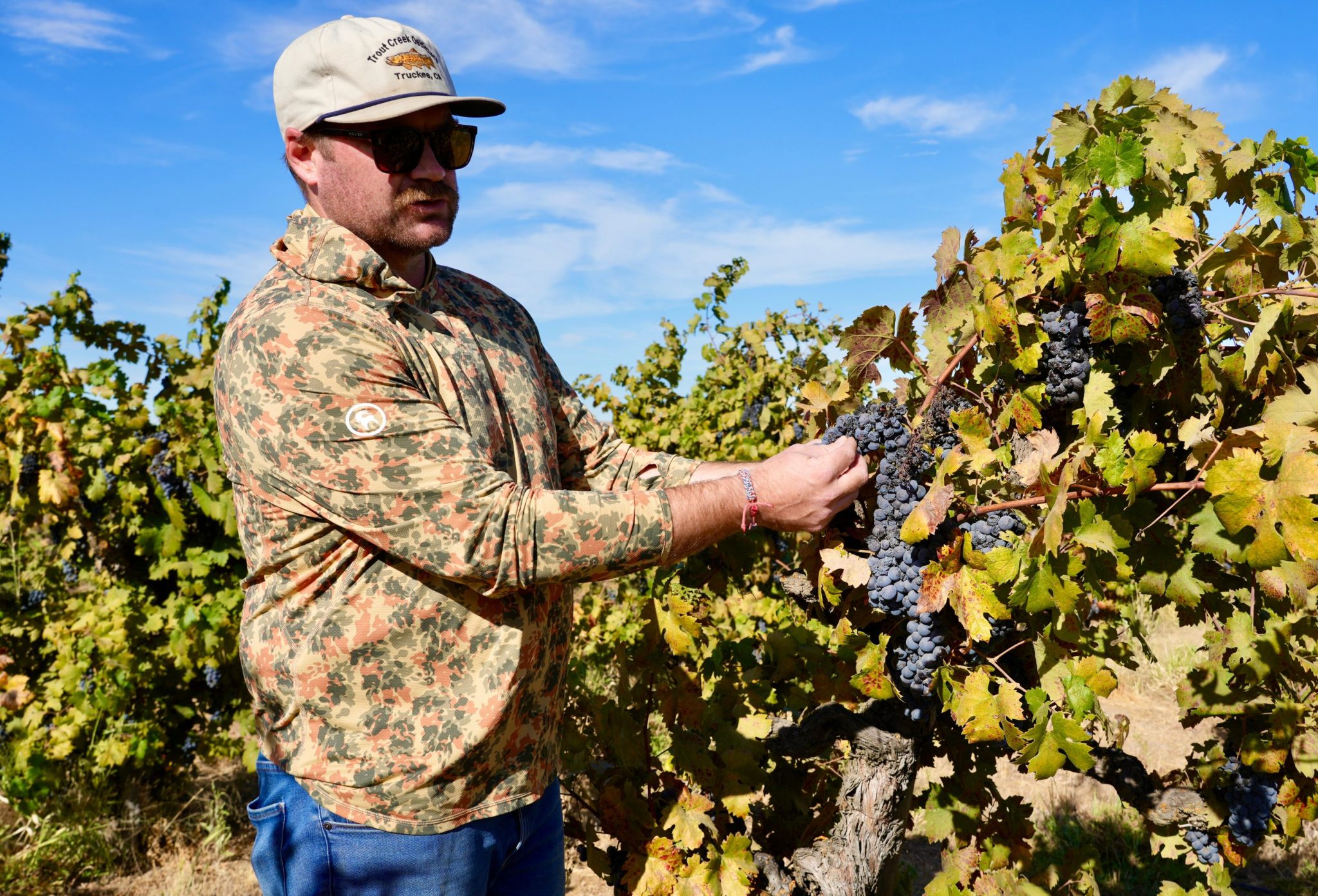
- Bill Berryhill, a third-generation grower near Lodi, has no buyer for grapes on 200 of his 500 acres and plans to pull out 50 acres once the harvest season finishes.
Compiled by The InvestorSomething wrong?How this is made
Why it matters
- exposure With half the crop unpriced when it ripens, the grower absorbs the whole price move inside the week the fruit has to move, and the buyer of last resort pays concentrate money.
- constraint The surplus has to clear inside the US, because higher American production costs and falling world consumption close off the export outlet that cleared past gluts.
- decision Ground replanted to nut and olive trees is committed for years, so the capacity is not available to come back if drinking habits turn.
- cost Fruit left on the vine removes picking work, so the loss reaches farmworkers' hours and the Lodi businesses they spend in before it settles in a grower's accounts.
California makes more than 80% of US wine [17], so a national volume decline lands on one state's growers. First Citizens Bank put US wine spending at $94 billion in 2020 and $74 billion in 2025 [3]; divided by the case counts for those years, that is about $220 a case then and about $225 now [1][2]. The average case cost roughly 2% more while drinkers bought 98 million fewer of them [2][7].
A quarter of a peak of almost 600,000 acres is roughly 150,000 acres of vines [3]. Set that against a 23% fall in case volumes and the capacity cut slightly outruns the demand loss [6]. Prices have stayed down. Jeff Bitter, president of Allied Grape Growers, said the state still grows too many grapes [8]. "The market is just so depressed that it's difficult to grow them profitably," he said. "Demand is not going up. It's still continuing to decline." [7]
A contract signed before harvest fixes the buyer and the price. Without one, a grower pays for pruning, irrigation and picking, then learns what the fruit is worth in the week it ripens, and the fallback buyer turns it into concentrated syrup at a price that loses money [6]. The uncontracted share of the California crop roughly doubled this year against a normal season [4].
Berryhill's unsold block is 40% of his vineyard, and the acreage he plans to remove is another 10% of it [5]. "I will lose money for sure. It's just a matter of how much," he said. "This has been a big loser for three years now." [10] Kyle Collins, a Lodi-based operations manager at Allied Grape Growers, said of a ripe petite verdot vineyard there: "Unfortunately, we do not have a buyer for these grapes." [12]
What replaces the vines is why I expect the exit to last: growers are moving into almonds, walnuts, pistachios and olives [16], tree crops that take years to come into bearing and will not be torn out because merlot got dear again. But if a 25% capacity cut is already in the ground against a 23% volume fall [6], one flat year of demand leaves California short of fruit and grape prices jump. Fortune did not report the size of the unsold inventory sitting between the two.
A contracted share back toward 70 to 80% at the next harvest would say the removals were a cyclical overshoot [5]. Against that, Bitter said California cannot ship the surplus abroad because production costs more in the US than in countries such as Argentina and Australia [14], and the International Organization of Vine and Wine put 2025 global consumption 2.7% below 2024 and 14% below 2018 [15].
What to watch
- First Citizens Bank's next State of the Wine Industry Report, and whether 2026 US case volumes fall below the 329 million recorded for 2025.
- Whether the concentrated-syrup buyers keep absorbing uncontracted California fruit once this harvest ends, and at what price.
- Allied Grape Growers' count of acres removed after this harvest, on top of the quarter of peak acreage already out.