Invest1 publisher2 min readPublished
Scotch's one-third output cut needs about a decade to clear the cask glut
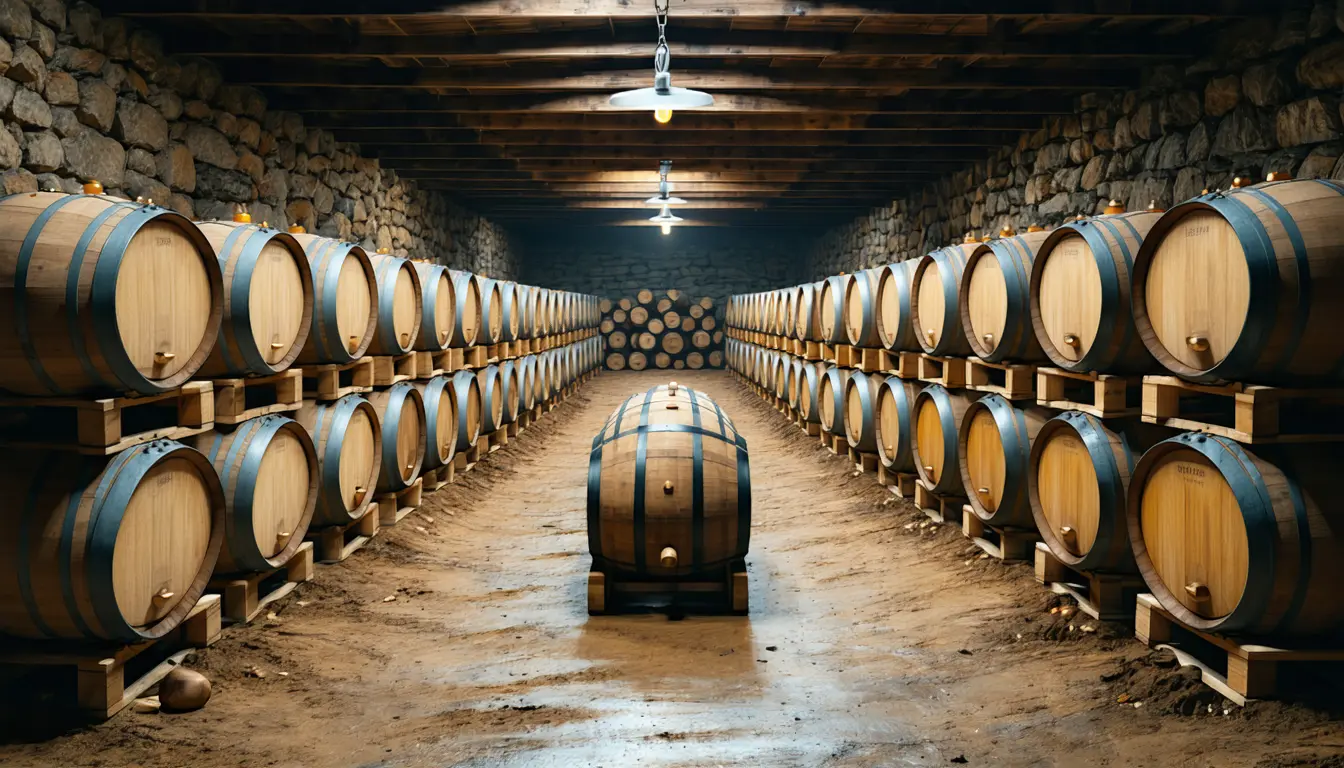
Distillers filled casks through the 2010s and the pandemic for drinkers who did not arrive, and the maturing stock now sits at three years of consumption. Cutting fills by a third drains it over roughly ten years.
The Investor · Invest desk
What happened
- Whisky maturing in Scottish casks has more than tripled over a decade to about 1.4 billion liters this year from under 400 million liters, the Financial Times reported on the 12th.
- Those stockpiles equal about three years of current consumption, and the industry is in its worst downturn since the 1980s.
- As the inventory burden built up, a significant number of distilleries cut output by more than a third.
- Some forecasts suggest up to a quarter of Scotland's roughly 160 distilleries could be put up for sale.
- In the United States, the largest export market for Scotch, per-capita alcohol consumption is down 11% from 2019.
Compiled by The InvestorSomething wrong?How this is made
Why it matters
- constraint Cask prices stay under pressure right through any sale wave, because once fills are cut a third the excess above a year's cover only drains at about 89 million liters a year.
- decision A bid for one of about 40 sites is an inventory decision before it is a plant decision, since the maturing stock is the bulk of what changes hands.
- exposure The industry expects the buying to concentrate on independent distilleries with weaker finances, so the cost of carrying the overhang lands on the balance sheets least able to fund it.
Divide 1.4 billion liters by three years of cover and Scotch is leaving the warehouses at roughly 467 million liters a year [1]. Against that run rate, the under-400-million-liter stock of a decade ago was about ten months of cover or less [2].
Clearing the difference is slow work. The pile grew by at least a billion liters over ten years, about 100 million a year, which puts average fills near 567 million liters against 467 million going out [3]. Take a third off that fill rate and production lands near 378 million liters, some 89 million a year short of consumption, so the 933 million liters sitting above one year's cover drains in about a decade [4]. Stop filling casks altogether and it still takes two years [5].
A quarter of 160 distilleries is about 40 sites [6], and the industry expects the restructuring and M&A to land on independent distilleries with weaker finances [9]. Most of what a bidder acquires is whisky in bond, so the price per liter of maturing stock decides the deal. The report does not include cask prices, and it does not break the 1.4 billion liters down by age or by malt against grain.
The demand evidence is thinner than the supply evidence. Open Survey's Korean figures imply participation of 72.1% at 7.04 occasions a month in 2024 falling to 67.2% at 6.4, or 4.30 drinking occasions per person against 5.08, down about 15% in a year if the occasions count drinkers [7]. Health was the most cited reason for drinking less, at 28.6%, with financial strain next at 27.9% [13]. The sample was 2,000 people aged 20 to 39 [11].
Producers expanded through the 2010s and again through the pandemic, when more consumers mixed cocktails at home, on demand that then weakened as inflation cut spending power [3][6][7]. In my view the filling decisions are the error, and the consumption decline is a separate and slower fact. The counter-thesis sits inside the same survey. Some 62.6% said they prefer drinking good alcohol occasionally and 53.9% said they are willing to pay more for better taste and quality [14], and a market of fewer and dearer drinks revalues mature stock upward per liter; on that reading the warehouses hold appreciating working capital and whoever buys 40 distilleries from stretched sellers has bought cheap. I would expect both to hold at once, with the split falling on whether a given warehouse holds branded aged malt or bulk fill. Among women in their 20s, 82.5% said the setting and the mood matter as much as the taste [15].
What to watch
- The first completed distillery sale, and what it prices per liter of maturing stock in bond rather than per still.
- Whether US per-capita alcohol consumption stabilises at the level 11% below 2019 or keeps sliding in the largest export market.
- Open Survey's next read on the 67.2% past-month participation figure and the 6.4 monthly occasions among Koreans aged 20 to 39.