Science1 publisher3 min readPublished
Clearing a scar-driving macrophage reopened tumors to immunotherapy in mice
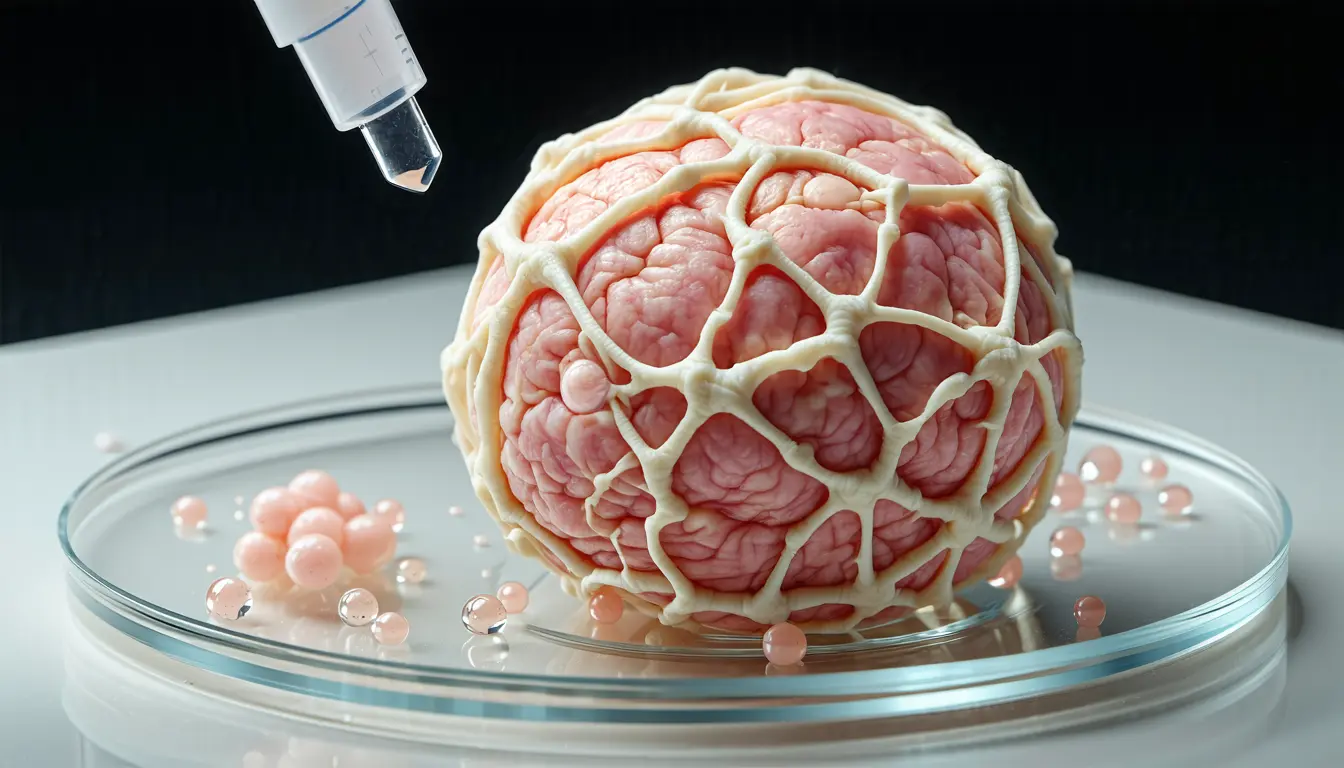
Memorial Sloan Kettering researchers used nanoparticles to kill a scar-driving macrophage subset, restoring immunotherapy in mice with liver and lung cancer. The Science paper points to the tumor's fibrotic barrier as a route past immunotherapy resistance.
The Scientist · Science desk
What happened
- Liver and lung cancers often arise in tissue already scarred by chronic disease, and that scarring suppresses nearby immune cells, so a tumor is shielded from immunotherapy before it is found.
- Nanoparticles built to clear that population reduced scarring and enabled an immunotherapy response in mouse models of fibrosis and fibrotic liver and lung cancer.
- The team confirmed the same cells in tumor samples from MSK lung cancer patients and in human datasets, and published the work in Science.
Compiled by The ScientistSomething wrong?How this is made
Why it matters
- capability Attacking the immune cell that builds a tumor's scar tissue offers a route to reopen immunotherapy-resistant liver and lung tumors, a target separate from the tumor cells themselves.
- constraint The rescue exists in mice; in patients the macrophage is only linked to worse response, so removing it as a treatment in people is untested.
- precedent Because the same senescent macrophages appear in scarred liver and lung tissue without cancer, the nanoparticle strategy becomes a candidate to test against other fibrotic and inflammatory diseases.
The biology sits in cellular senescence, a stress response that pushes a cell to permanently stop dividing [9]. That is often useful. It can shut damaged cells down before they turn cancerous, and it helps coordinate wound healing by sending signals that pull other cells to an injury [10]. The trouble starts when senescent cells do not clear once the repair is done. Lingering, they keep broadcasting the same signals, which now drive chronic inflammation and fibrosis [11]. "Senescence is a double-edged sword," said Scott Lowe, who chairs the Cancer Biology and Genetics Program at MSK's Sloan Kettering Institute [12][7].
So the hard part is precision. "The challenge has been how to target just the harmful cells while preserving the helpful ones," Lowe said [13]. The team's opening was a marker. Within macrophages, a small subset carried both the surface protein P-selectin and the hallmarks of senescence, a population they named MΦP+sen+ [14]. "What was striking was how consistently we found this specific population of macrophages in fibrotic tissue," said Clemens Hinterleitner, a co-first author [15][21]. Those cells sit in the fibrotic niches of liver and lung tumors and in scarred liver and lung tissue without cancer, and their presence tracks with worse immunotherapy responses in patients [16]. They both build the scar and suppress other immune cells [17]. "By sending out profibrotic and immunosuppressive signals, they essentially put up a wall that keeps the immune system from being able to do its job," said Valentin Barthet, a co-first author [18][21].
The engineered nanoparticles, about 1,000 times smaller than the width of a human hair, were built to carry a drug and clear that population selectively, with the aim of minimal toxicity to healthy cells [3][4]. The causal test ran in mice: in models of liver and lung fibrosis and of fibrotic liver and lung cancers, the work reduced scarring and enabled an immunotherapy response [19][22]. The human side of the paper is correlational. The team confirmed the same cells in tumor samples from lung cancer patients treated at MSK and in human lung and liver cancer datasets, where their presence lined up with poorer outcomes [20][16]. The human data cannot show whether removing the cells changes a patient's outcome; that step was done only in mice [19][20]. The report does not give the size of the effect in mice.
Lowe's case for the effort was plain. Immunotherapy "doesn't work for the vast majority of patients," he said, and "anything we can do to make it work better and for more people is worth pursuing" [8]. Because the same senescent macrophages appear in scarred tissue without cancer, the authors say the approach could reach other fibrotic and inflammatory diseases [6][16].
What to watch
- Whether a clinical trial in liver or lung cancer patients reproduces the mouse result of clearing the cells and restoring immunotherapy response.
- Whether killing MΦP+sen+ cells spares the beneficial senescent cells that coordinate wound healing, or brings toxicity.
- Whether the same nanoparticle approach works in the non-cancer fibrotic and inflammatory diseases the authors flag.