Product1 publisher3 min readPublished Updated
Disney's animation tilt for Star Wars and Marvel reads as a cost decision, not a creative one
A Collider report says Disney will prioritize animation for its two biggest franchises. The known live-action pipeline stops after Ahsoka season two and Daredevil's 2027 return.
The Product Desk · Product desk
Drafted by a language model from the sources cited here and checked against its claim ledger before publication. How we use AISend a correction
What happened
- The Power Rangers series intended for Disney+ will not be moving forward; the primary reason boiled down to budget, since Disney would have been on the hook to pay for all of it.
- The Power Rangers news, plus the recent end to Wonder Man, spawned conversations about the future of Disney+ original programming, particularly live action.
- According to a Collider report, Disney will be "prioritizing animation" for future series built around its two biggest IPs, Star Wars and Marvel.
- Collider notes Star Wars seemingly does not have any live-action shows planned after Ahsoka season two, and presumably a fourth season of The Mandalorian.
- The same absence of planned live-action series may be true for Marvel after Daredevil: Born Again returns for season three in 2027.
Compiled by The Product DeskSomething wrong?How this is made
Why it matters
Disney is reportedly steering its two most valuable television franchises toward animation, and the stated reason is money rather than ambition. According to a Collider report relayed by io9, Disney will be "prioritizing animation" for future series built around Star Wars and Marvel [3], and the shift arrives with two fresh subtractions already on the board [1][2].
The Power Rangers series intended for Disney+ is not moving forward, and io9 reports the primary reason came down to budget: Disney would have been on the hook to pay for all of it [1]. That, plus the recent end of Wonder Man, is what prompted the conversation about where Disney+ originals go next, particularly in live action [2]. Note the specific complaint in the Power Rangers case. It was not audience or creative direction. It was who pays.
The pipeline supports the framing. Collider notes Star Wars seemingly has no live-action shows planned after Ahsoka season two, presuming a fourth season of The Mandalorian [4], and that the same may be true for Marvel once Daredevil: Born Again returns for season three in 2027 [5]. That 2027 date is the far edge of the known Marvel live-action television calendar [6]. Marvel also had nothing to say about television at San Diego Comic-Con last month, which is consistent with a slate that has not been rebuilt yet [7].
The cost argument is not subtle. Animation is cheaper to produce than live action, or at least than the live action these two franchises make [8]. The Acolyte and the full run of Andor were reportedly expensive [9], and Marvel's shows carry the same problem because of the effects work that ends up in them [10]. Once a live-action series is largely digital environments and digital creatures, it is paying animation costs plus sets, cast, location and schedule. Removing the physical layer keeps the brand surface and drops the bill.
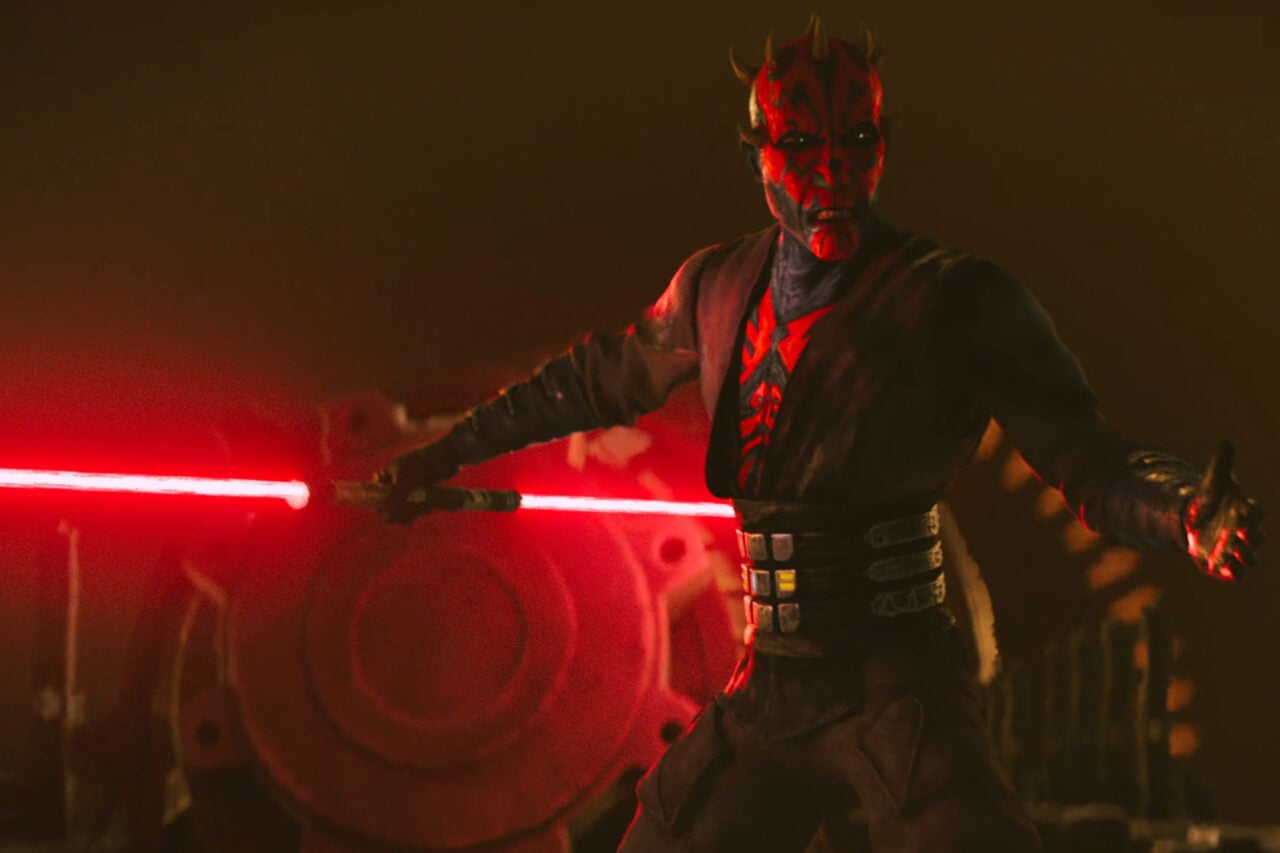
What is already committed sits on the animated side. Maul: Shadow Lord is locked in for a second season [11], Star Wars Visions Presents will continue adapting episodes from that anthology [12], and Marvel has greenlit both X-Men '97 and Your Friendly Neighborhood Spider-Man for more seasons each [13]. That is four named animated continuations against three known live-action items, two of which are already in hand and one of which is an assumption [14].
Two caveats worth keeping. This is a single trade report about internal prioritization, and io9 says it has asked Disney for comment [15]. And "prioritizing animation" is a budget posture, not a cancellation notice, so it is compatible with live-action projects reappearing later at lower cost or with an outside financier attached.
What to watch: whether Disney confirms or disputes the framing [15]; whether a fourth Mandalorian season becomes an announcement rather than a presumption [4]; whether the next round of cancellations again cites full cost exposure with no partner [1]; and whether new Star Wars or Marvel live-action orders show up between now and Daredevil's 2027 return [5]. If the animated greenlights keep landing while the live-action column stays empty, the reported priority has already become the actual slate.