Science1 publisher2 min readPublished
Tel Aviv study argues Qumran used its 364-day calendar until seasonal drift made it unusable
Eshbal Ratzon's reconstruction, published in Tarbiz, places the 364-day calendar in real use during the sect's early decades and ties its abandonment to a shortfall of about a day and a quarter a year.
The Scientist · Science desk
What happened
- A Tel Aviv University study proposes that the Qumran sect really did keep its 364-day calendar in its early history, when quarrels over religious dates helped separate it from the Jerusalem establishment.
- The calendar's 364 days divide evenly by seven, so the year held 52 complete weeks and every religious festival fell on the same day of the week.
- A 364-day year falls about a day and a quarter short of the astronomical year, and twenty years of that without correction would move festivals almost four weeks against the seasons.
- The reconstruction attributes the abandonment to two pressures at once: the astronomical error and changing political relations with the Hasmonean leadership under Alexander Jannaeus.
- Prof. Eshbal Ratzon holds that the scrolls clearly support neither of the standing explanations, periodic insertion of extra days nor a calendar that was only ever an ideal.
Compiled by The ScientistSomething wrong?How this is made
Why it matters
- constraint A calendar losing a day and a quarter a year has a ceiling on how long it can run untouched, so any account that keeps the sect on it across its whole history owes the reader a correction rule the scrolls have not produced.
- decision Testing the two-phase story now falls to chronology. Someone has to place calendrical scrolls in time on either side of Alexander Jannaeus's reign, which is a different job from reading their contents.
- precedent A used-then-dropped model gives historians of other disputed ancient calendars a third option beyond ideal and practical, and it sets the bar at showing when a system stopped being kept.
Run the shortfall out further than the release does. Fifty uncorrected years of a day-and-a-quarter deficit come to about 62 days [18]. Two months of slippage puts a spring festival in winter, which is roughly what Tel Aviv University describes after several decades of use [12]. The twenty-year case works out to 25 days exactly, which the release rounds up [17]. The community's festivals were bound to agriculture, harvests, first fruits and the seasonal cycle [13], so the error would have been visible in whether the crop was ready, as well as in the sky.
The obvious repair, inserting extra days, was the one adjustment this group had ruled out. Its members held that festival dates had been fixed by God at the Creation of the world and were not for human authorities to alter, which was their objection to the way the Temple in Jerusalem set dates [9]. They took the 52-week structure to reflect a perfect divine system [8].
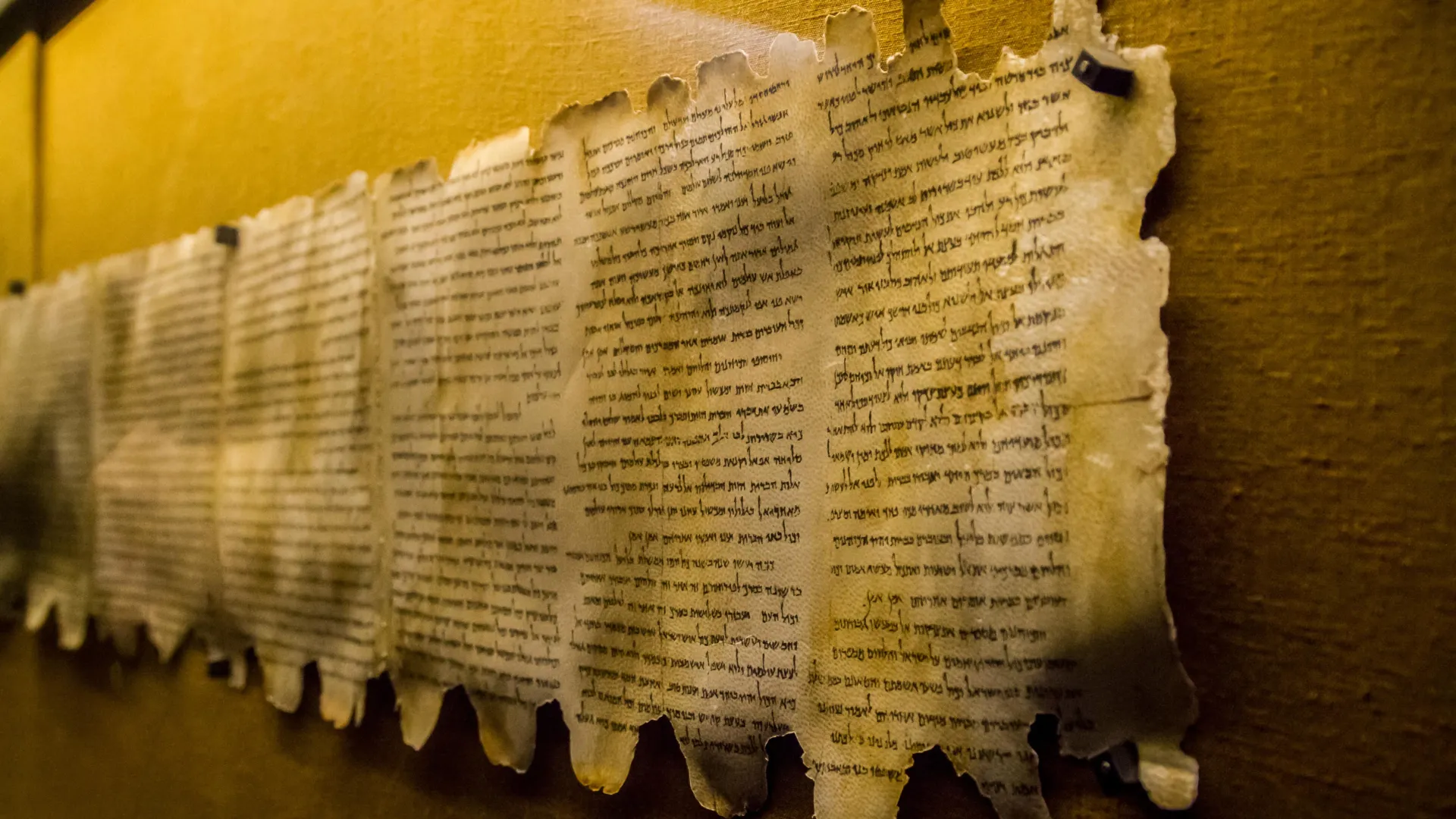
For evidence that the calendar was more than a thought experiment, Prof. Eshbal Ratzon points to volume: nearly twenty of the scrolls found at Qumran deal with calendars and astronomy, an unusually large share [16]. That establishes how much the subject mattered to the community, and leaves open whether the 364-day year governed the working week. A day and a quarter a year makes a calendar unusable eventually. Two questions stay open: when the sect noticed, and which of the two pressures in the reconstruction ended the practice.
Tel Aviv University presents the sequence as a "proposed reconstruction," saying the sect "likely used the calendar during its early history" and that the system "may have been abandoned" later [19]. The abandonment is undated there [21]. Ratzon, of the Department of Jewish Philosophy and the Cohn Institute for the History and Philosophy of Science and Ideas, published the study in the Tarbiz Quarterly for Jewish Studies [5][6].
What to watch
- Whether Ratzon's Tarbiz paper names calendrical scrolls datable on either side of Alexander Jannaeus's reign.
- Whether other Dead Sea Scrolls scholars accept the two-phase model or hold to periodic insertion of extra days.
- Any scroll or fragment carrying an explicit rule for intercalation, which would revive the correction hypothesis.