Product1 publisher2 min readPublished
Stanford deleted mouse cortex to make room for a larger human brain graft
Mice bred without much of their own neocortex let transplanted human tissue grow bigger and wire up further, and the oversight the team describes is expert guidance plus a committee the university assembled.
The Product Desk · Product desk
What happened
- A Stanford-led team published a technique it calls xenocortication in Nature on Wednesday: human brain organoids transplanted into mice genetically designed to be missing much of their neocortex and hippocampus.
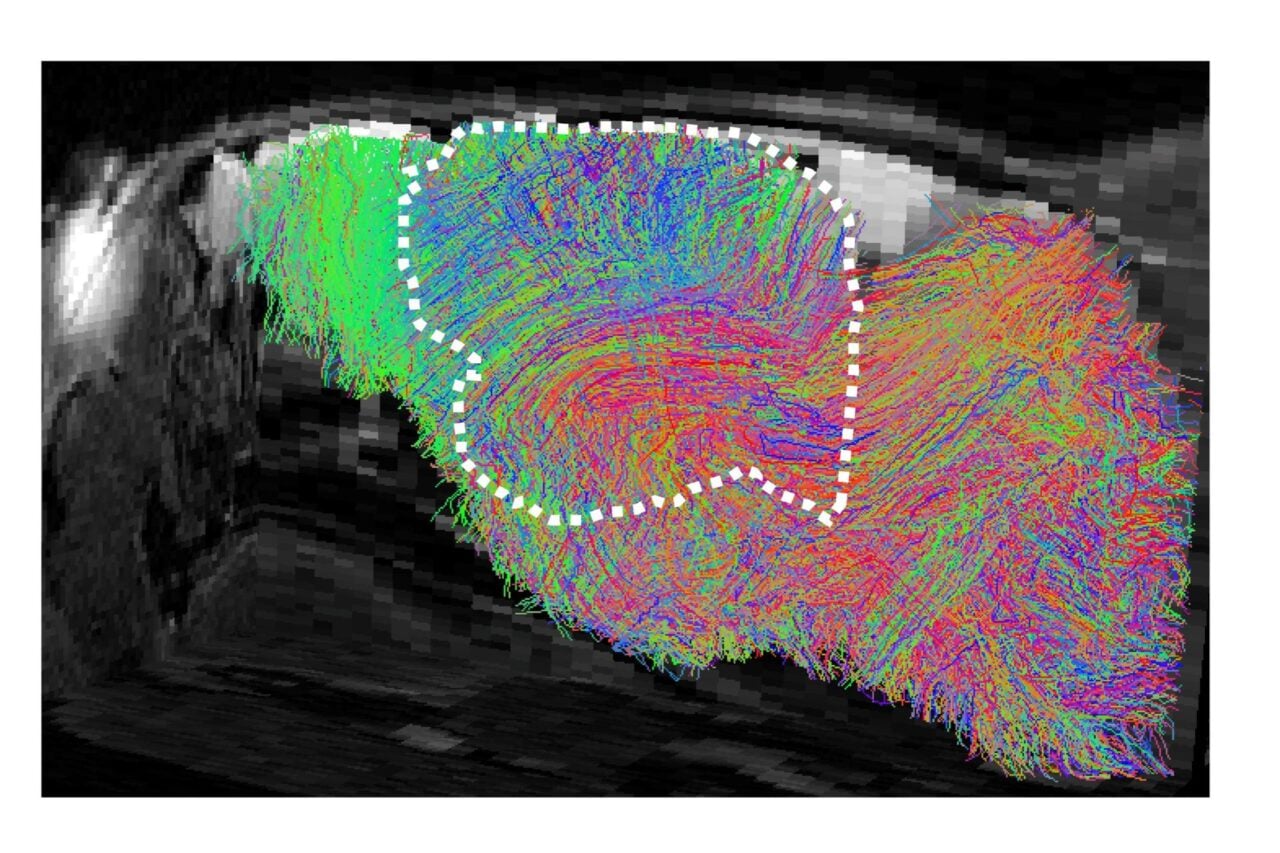
- Inside those hosts the grafts grew larger and formed more complex neural connections than in earlier transplants, taking up more space in the skull and forming viable neural networks.
- The procedure also appeared to prevent some of the deficits normally seen in mice that lack a neocortex and hippocampus.
- The authors say the result should let scientists study neurological disorders better in the lab, and they argue that creating animals like these remains ethically appropriate.
Compiled by The Product DeskSomething wrong?How this is made
Why it matters
- constraint Whether an organoid might feel something is a question no one has published a way to answer, and a committee approving one of these protocols has to answer it anyway.
- decision A lab that wants the larger graft has to accept breeding host animals with memory deficits, and decide how much of that deficit the graft must reverse before the impairment is justified.
- precedent Stanford's route, expert guidance first and an external committee second, is now the comparison other labs will be asked to match; no regulator has set a floor.
- capability Human neurons that stay large enough to wire into a living host give drug and therapeutics work a readout that comes from a living host, not a dish.
Somebody at another lab will read this Nature paper and then spend longer on the oversight paragraph of their animal protocol than on the surgical method. Stanford's own sequence is the nearest thing to a template. Sergiu Pasca, the senior author and director of the Stanford Brain Organogenesis Program, said at a press briefing this week that the team had "taken extraordinary measures in terms of ethical oversight over the past few years" [8]. He described "a group of experts who have looked at the experiments we're planning to do and provided guidance" [13], and said the university "has actually put together an ethics committee, external to the university" [14]. The expert guidance arrived while the experiments were still being planned; the standing committee came afterwards [13][14].
The human graft grew bigger and formed more complex connections than in earlier transplants [3]. The host animal was bred missing much of its neocortex and hippocampus, and those mice carry memory deficits compared with normal mice [2][5]. A reviewer has to approve those two changes separately.
The two are coupled. Xenocortication appeared to prevent some of the deficits the host mice would otherwise show [4]. A graft that integrates well leaves a less impaired animal [20].
The technique leaves the timeline alone. Human brain organoids grow at roughly the pace of a human brain, about 20 times slower than a mouse brain, and a normal mouse cortex matures fast enough to crowd the graft out [6][7]. Removing host tissue removes the competitor for space; the growth rate is unchanged [18].
The authors wrote: "The transplantation of neural organoids into rodent hosts offers a promising in vivo platform for investigating human neural function and developing therapeutics" [9].
Gizmodo reports the concern that organoids could become complex enough to feel basic sensations such as pain, or something like a rudimentary consciousness, and that it is not clear whether that is possible or how researchers would know when it happened [10][11]. The same report describes oversight at university level and mentions no government regulator or agreed national standard [19].
For a committee reading one of these protocols, two questions matter here: whether the host animal carries deficits it would not otherwise have, and whether the human graft functionally integrates with the host nervous system. An inert graft in an unimpaired host is ordinary animal work, and existing review handles it. An impaired host with an integrating human graft is the combination this paper reaches, and it is what Stanford took to people outside the university [14].
What to watch
- Whether any regulator or funding body publishes a threshold test for organoid sentience that a review committee can actually apply.
- Whether other labs adopt xenocortication, and what oversight they describe in their own papers.
- Whether the reported reversal of host memory deficits by the human graft replicates outside Stanford.