Invest1 publisher3 min readPublished
The data center subsidy is now a campaign liability in five states
Republicans who cheered the AI buildout are running on "guardrails" and tax-break repeal. For anyone underwriting capex against state abatements, the discount rate just moved.
The Investor · Invest desk
Drafted by a language model from the sources cited here and checked against its claim ledger before publication. How we use AISend a correction
What happened
- As populist pushback builds against the AI industry and the data centers that power it, Republicans who have cheered the AI boom are scrambling to find a new identity as middle-ground pragmatists.
- Instead of a moratorium on building new facilities, a growing number of GOP candidates have called for "guardrails" to protect skeptical communities from unchecked AI growth, as well as the rollback of industry tax breaks.
- The Trump White House tried to blunt anti-AI activists' momentum with a voluntary "ratepayer protection pledge," released in March, with industry promises to foot the bill for the power demand from new data centers.
- Trump said on Wednesday that data centers "could use a little public relations help."
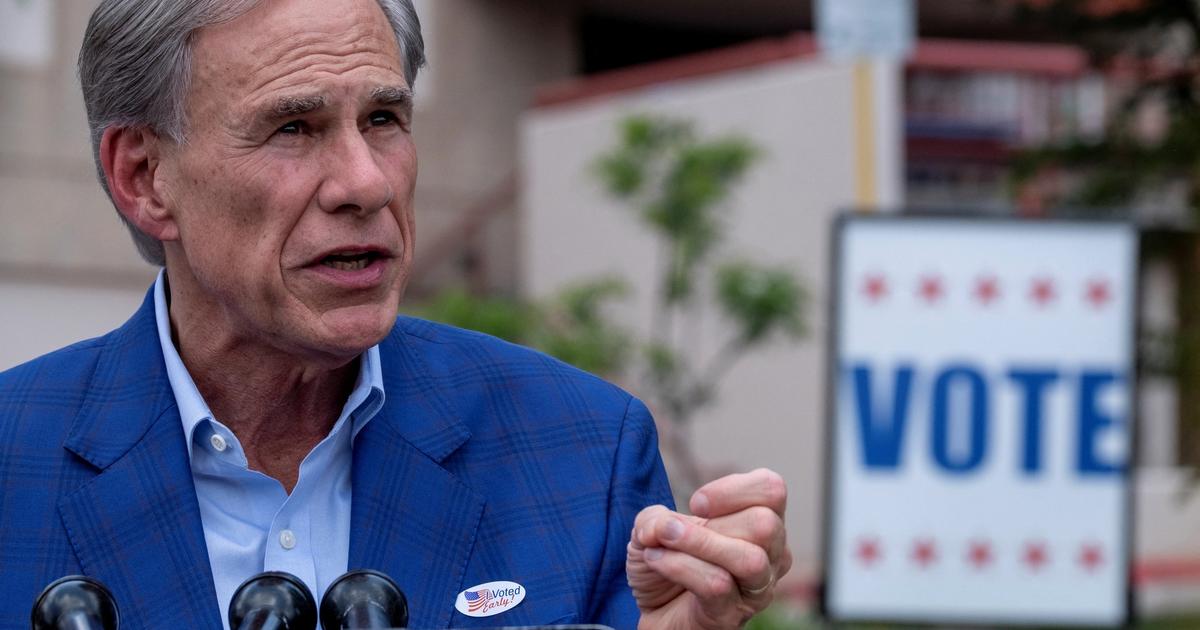
- In Texas, GOP Gov. Greg Abbott is seeking a fourth term, and a tax break for data centers has been in place since he took office.
Compiled by The InvestorSomething wrong?How this is made
Why it matters
Republicans who spent the past two years cheering the AI boom are repositioning as middle-ground pragmatists as populist pushback builds against the industry and the data centers that power it, according to Semafor [1]. Instead of the moratoriums progressives have pushed, a growing number of GOP candidates now want "guardrails" for skeptical communities plus the rollback of industry tax breaks [2].
That second half is the part that shows up in a model. The economics of a hyperscale site are not just land, power and fiber; they lean on sales-tax exemptions on equipment, property-tax abatements, and the quiet assumption that some share of grid upgrade costs lands on other ratepayers. When both parties start competing over who will tax the buildout harder, that assumption is no longer free.
Texas is the clearest case. Gov. Greg Abbott, seeking a fourth term, presides over a data center tax break that has been in place since he took office, and he recently directed the state to audit tech companies' use of the electric grid while vowing to work with the legislature next session to repeal those breaks [5][6]. His Democratic challenger, state Rep. Gina Hinojosa, is unimpressed: "Everything out of Greg Abbott's mouth is the opposite of what he does," she said, arguing that a serious governor would call a special session [7][8]. She began running ads on Tuesday linking Texas data center construction to Abbott's support from tech companies [9].
Florida already moved from rhetoric to statute. In May, Gov. Ron DeSantis signed legislation letting communities "reject data center development" and stop "data center costs from being passed on to consumers" [12]. Rep. Byron Donalds, the party's gubernatorial nominee, adopted those positions after taking heat for tech donations, and has been positioning himself as an AI realist against rivals favoring hard limits or an outright ban [10][11]. In Ohio, Vivek Ramaswamy said last year he wanted a friendlier regulatory environment for building "an AI data center or Bitcoin mining firm or whatever," then shifted after the May primary toward promising an executive order halting new construction unless communities receive tax breaks and environmental protections [13][14].
Add Michigan and Wisconsin and that is five states where the Republican posture has moved [15][19]. Wisconsin is the sharpest illustration of how thin the actual policy gap has become: Rep. Tom Tiffany branded Democrat David Crowley "Data Center David," but Tiffany wanted community input and data centers to pay for their own electricity, and so did Crowley [16][17]. Semafor notes Wisconsin, like Texas, passed bipartisan tax breaks to attract business and then lost revenue when profits exceeded projections [18].
The federal counterweight is thin. The White House tried to blunt anti-AI momentum with a voluntary "ratepayer protection pledge," released in March, carrying industry promises to cover the power demand from new facilities [3]. Voluntary is the operative word: a pledge does not preempt a state legislature. President Trump's own read on Wednesday was that data centers "could use a little public relations help" [4].
What to watch: whether Abbott actually calls a special session or waits for next session, which is the difference between a repeal and a talking point [6][8]; whether Ramaswamy signs the promised executive order if elected [14]; how many Florida communities use their new veto [12]; and whether the ratepayer pledge stays voluntary. Sponsors pricing 15-year sites off current abatement schedules should assume the schedules are now electoral variables [2].